






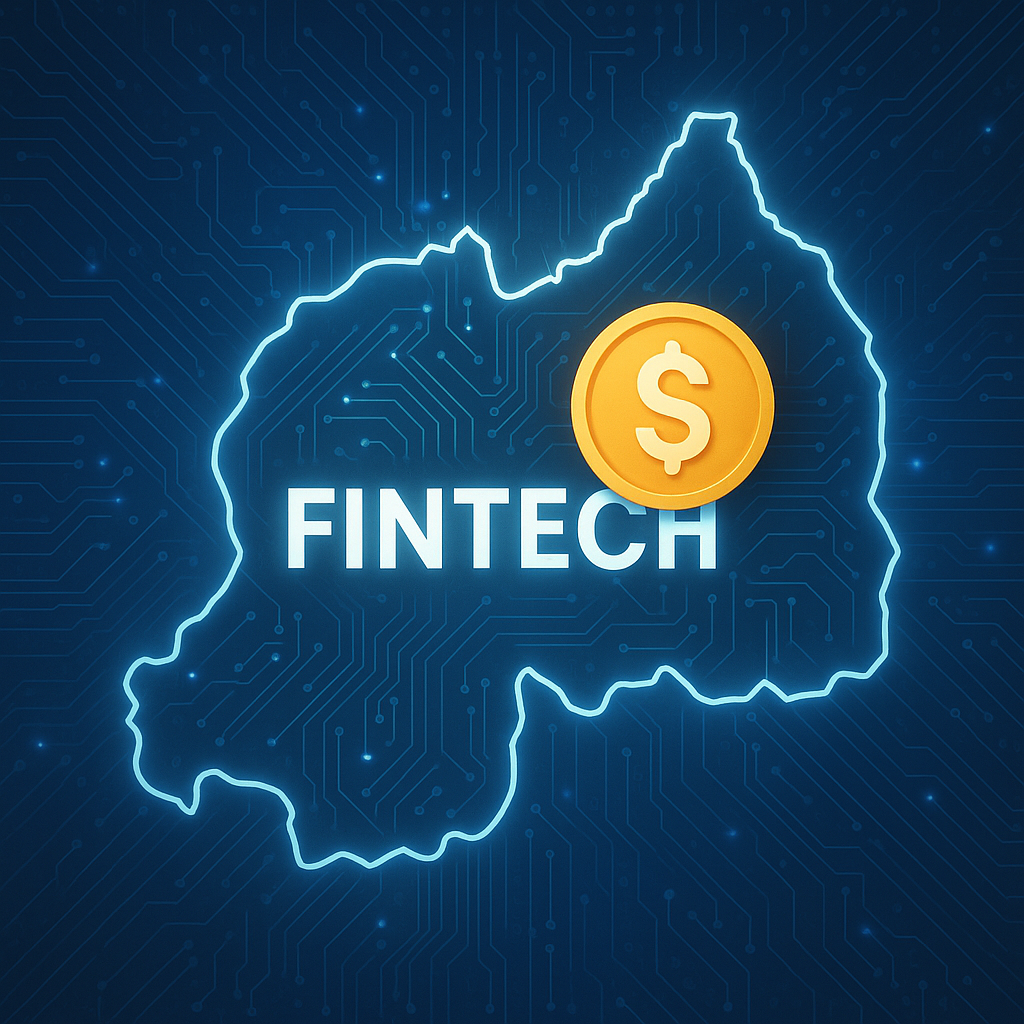
Overview of Rwanda’s Ambition
Rwanda aims to become a leading FinTech hub in Africa. Its FinTech Strategy 2024–2029 sets this direction. The vision is to build Africa’s FinTech center of gravity. Many observers question this ambition. They compare Rwanda to Nigeria, Kenya, South Africa and Egypt. These markets drew 80 percent of Africa’s FinTech funding in 2024.
Growth Despite a Smaller Market
Even so, Rwanda has built strong momentum. Its startup funding rose six-fold to 38 million dollars in 2023. The strategy seeks to push Rwanda to the top in Africa. It also targets a place among the global top 30 FinTech ecosystems by 2029.
Expanding FinTech Activity
Although Rwanda did not appear on the 2025 CNBC and Statista global FinTech list, its ecosystem is expanding. By June 2025, the country had more than 20 payment aggregators. It also had 10 remittance providers and seven e-money issuers. These numbers show consistent progress.
Regulation as a Competitive Advantage
Moreover, Rwanda’s regulatory model is a major asset. Large markets often face fragmented oversight. Nigeria requires approvals from several agencies. Kenya also demands coordination across multiple regulators. However, Rwanda offers a unified approach. The National Bank of Rwanda provides almost all oversight.
ALSO READ: The Rise of AI for Everyone: Practical Benefits and Tools for Non-Tech Users
Licensing Requirements in Rwanda
Any organisation offering payment services must secure a license from the National Bank of Rwanda. Banks and deposit-taking microfinance institutions already hold licenses. All other payment service providers must apply. Applicants must incorporate in Rwanda. They must also maintain a permanent office in the country. Their chief executive officer or managing director must be a Rwandan citizen or resident. They must meet capital rules. E-money issuers must hold all customer funds in liquid assets. Licensed firms must protect customer funds and disclose terms clearly.
A Legal System Built for Innovation
Additionally, Rwanda has developed a pro-innovation legal system. It offers a sandbox for testing advanced FinTech products. It also runs a simplified licensing process that takes three to four months. Other markets often take six to twelve months. Rwanda supports investors with reduced corporate income tax rates. Some qualified investments pay zero percent tax. Priority sectors such as ICT receive reduced rates when they meet investment thresholds.
Digital Infrastructure Supporting Inclusion
Furthermore, Rwanda’s digital infrastructure continues to improve. The country is expanding its 5G network. It uses e-Kash to support digital payments. It also relies on a strong digital ID system. This system enables rapid KYC checks and increases financial inclusion.
Kigali’s Strength as an Innovation Hub
Kigali has become a central innovation hub. It ranks seventh in the Middle East and Africa for innovation. It also ranks 61st globally and eighth in Africa in the 2025 FinTech rankings. Kigali hosts hubs such as Westerwelle Startup Haus and Norrsken House Kigali. Rwanda also performs well in labour productivity, business friendliness and science and engineering training.
Talent Development and Job Creation Plans
The FinTech Strategy targets 7,500 new jobs by 2029. Rwanda supports this plan with specialised visas. These include entrepreneurship visas and student visas. The country also offers visas for remote workers in priority fields. These steps help address talent shortages that affect other markets.
Regional Expansion Through Strategic Partnerships
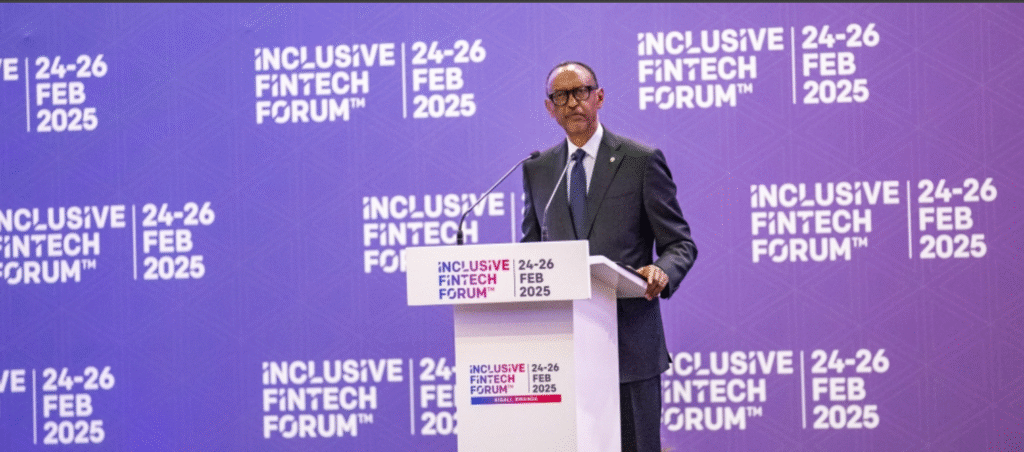
Rwanda uses its small market as a testing ground. The aim is to scale solutions across the region. A Memorandum of Understanding between the Bank of Ghana and the National Bank of Rwanda supports this goal. Signed on February 25, 2025, it creates a license passporting framework. It also supports interoperability for cross-border services. As a result, mobile money and remittance providers can expand faster beyond Rwanda.
Long-Term Strategy Beyond 2029
Rwanda also plans to strengthen global cooperation. It also intends to improve digital systems with a central data repository. The country will continue building regulatory capacity. These measures support Rwanda’s 2029 goals. It seeks to attract 300 FinTech firms. It also aims to secure 200 million dollars in investment. Rwanda wants 80 percent FinTech adoption across the country.
Conclusion
Rwanda is not competing on size However It is competing on regulatory strength, speed and strategic focus. It offers a strong launchpad for firms planning regional expansion. Rwanda is ready for this role. FinTech investors should consider Rwanda in future capital decisions.
Related posts:
 Apply for Strategic Advisor at IHUZO Platform
 Rwanda: Small and Medium Enterprises Unlocking New Opportunities Through Technology
 HEC: ANNOUNCEMENT FOR THOSE WISHING TO APPLY FOR A STUDENT LOAN
 Apply for Driver job at CIP
 Tesla’s Game-Changing Pi Phone Is Almost Here — Everything CEOs & Innovators Should Know
 Nursery Teachers job at New Generation Academy
 AI Tutors Reshape the Future of Education
ADEPE Is hiring Procurement and Logistics Officer
AI Tutors Reshape the Future of Education
ADEPE Is hiring Procurement and Logistics Officer
 Credit Analyst job at BPR Bank Rwanda PLC
Apply for Office Based Call Centre Sales Consultants
Credit Analyst job at BPR Bank Rwanda PLC
Apply for Office Based Call Centre Sales Consultants
 How AI Is Transforming App Creation Through “Vibe Coding”
 Mastercard Foundation 2026 Internship (11 Months – Non-Extendable)
 ChatGPT to Introduce Adult-Oriented Erotic Content
Apply for Fullstack job opportunities
Job: Bralirwa Plc is hiring
Job: Factory Supervisor Master Health
ChatGPT to Introduce Adult-Oriented Erotic Content
Apply for Fullstack job opportunities
Job: Bralirwa Plc is hiring
Job: Factory Supervisor Master Health
 From Studio to Stardom: Yago Thrilled by Album’s Turnover
 4.3 Million Rwandans Have Gained Digital Literacy
 Artificial Intelligence in Rwanda: How It Is Transforming Everyday Life
 Teaching job for A2
1q1mwb