





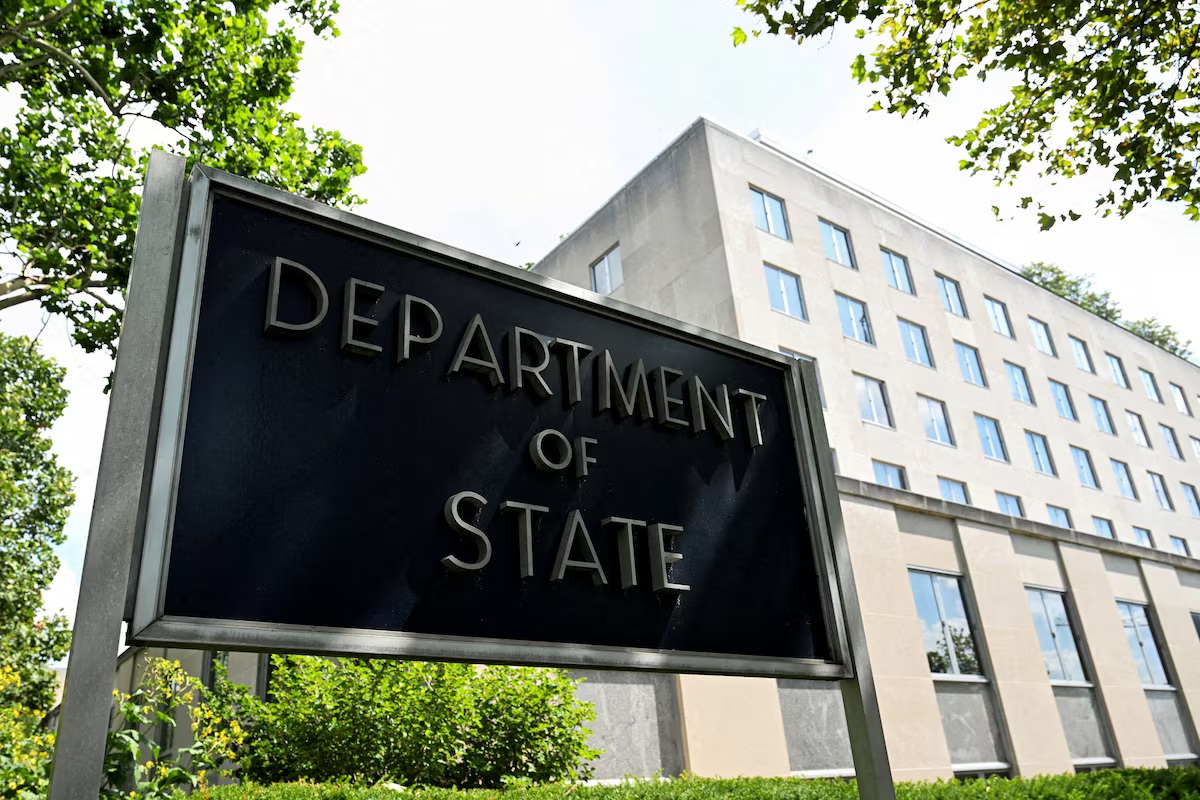
The Trump visa suspension has sparked global concern after the U.S. government confirmed it will halt visa processing for applicants from 75 countries starting January 21, according to a State Department spokesperson.
U.S. Suspends Visa Processing for 75 Countries
The Trump administration will temporarily stop all visa processing for applicants from 75 countries, a U.S. State Department spokesperson said on Wednesday. The decision follows a State Department memo first reported by Fox News.
The pause directs U.S. embassies to refuse visas under existing laws while officials review current screening procedures. The government did not give a timeline for when visa processing will resume.
Countries Affected by the Visa Pause
According to the report, the affected countries include Somalia, Russia, Iran, Afghanistan, Brazil, Nigeria, and Thailand, among others. The full list has not yet been released publicly.
The suspension will begin on January 21, one day after President Donald Trump’s inauguration anniversary.
Part of Trump’s Broader Immigration Crackdown
The Trump visa suspension forms part of a broader immigration crackdown pursued since the president returned to office last January. His administration has repeatedly pushed stricter border controls and tougher visa policies.
In November, Trump vowed to “permanently pause” migration from what he described as “Third World countries” after a shooting near the White House involving an Afghan national that killed a National Guard member.
No Clear Timeline for Review
State Department officials have not said how long the visa suspension will last. The memo instructs embassies to reassess security and vetting procedures before any processing resumes.
The lack of clarity has raised concerns among students, workers, and families who planned to travel to or reunite in the United States.
International and Domestic Reactions
Immigration advocates warn the move could disrupt education, labor markets, and family reunification. Supporters of the policy argue it strengthens national security.
Related posts:
 China, Russia & Iran Exercises Begin in South Africa
 IShowSpeed Plans to Visit Mountain Gorillas in Rwanda During Africa Tour
 United States Suspends Issuance of Certain Visas to Tanzanian Citizens
 Attack Reported at US Vice President JD Vance’s Home
 Trump Warns Venezuela’s New President, Threatens Second Military Strike
 37-Year-Old Woman Killed by Lightning as Heavy Rains Hit Gisagara
 Tshisekedi Suspends FARDC Spokesperson Over Hate Speech Targeting Tutsi Women
 Trump to Meet Colombian President at White House
 Cuba Accuses US of Killing 32 Soldiers During Venezuela Operation
 US promises 15-year security guarantee to Ukraine amid peace talks
 Mogadishu municipal elections mark historic step toward direct democracy in Somalia
 Supreme Court Reviews State Bans on Transgender Athletes
 Germany Defends Greenland’s Sovereignty after Trump’s speech
 Harvard Stands Up to Trump: But for How Long Can It Hold the Line?
 Utah Prosecutors Reveal Note Written by Suspect Before Killing of Charlie Kirk
 Khamenei warns protesters as Iran faces widespread internet blackout
 WhatsApp faces European antitrust investigation over artificial intelligence
 MPs Debate Points-Based System for Traffic Offences
 Trump Pushes Greenland Purchase Talks, Refuses to Rule Out Military Action
 Touadéra Re-elected President of Central African Republic