





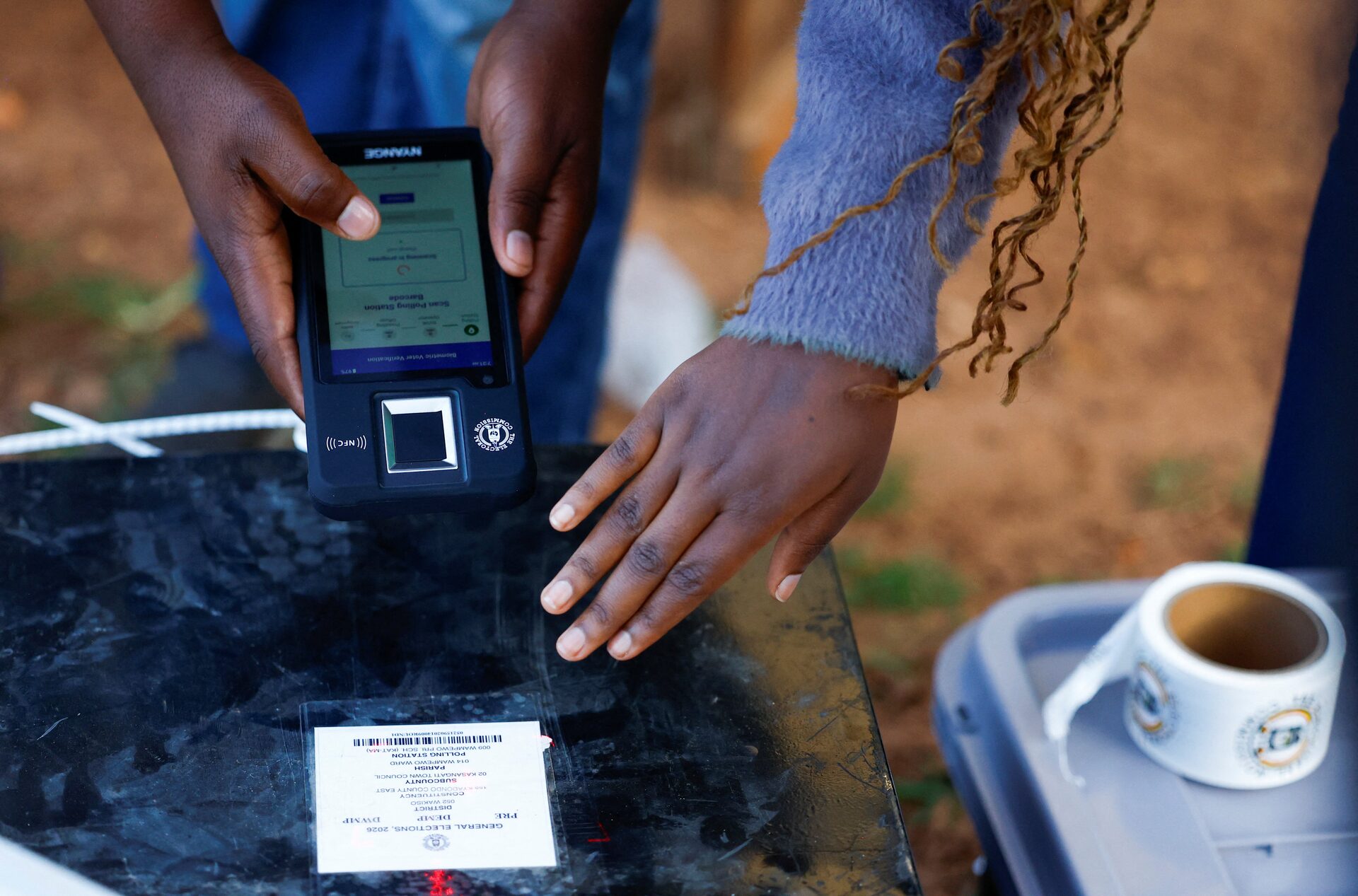
The Uganda election 2026 has drawn national and international attention as voters head to the polls in a tense political climate. President Yoweri Museveni is seeking to extend his long rule, while opposition leader Bobi Wine challenges his grip on power amid heavy security and internet restrictions.
A tense voting day across Uganda
Ugandans voted on Thursday following a campaign period marked by violence, arrests, and an internet shutdown. Authorities said the restrictions aimed to stop misinformation, but critics argue they limited free expression.
Police deployed heavily in Kampala and other major towns. The government restricted internet and mobile services days before voting, raising concerns among civil society groups.
Museveni seeks to extend his rule
President Museveni, 81, has ruled Uganda since 1986. He campaigned on a promise to protect stability and grow the economy into middle-income status. Over the years, he changed the constitution to remove age and term limits.
Political analysts say Museveni still controls key institutions, making an opposition victory difficult despite public frustration.
Bobi Wine appeals to youth vote
Bobi Wine, a 43-year-old musician turned politician, emerged as Museveni’s strongest challenger. He appealed to young voters facing unemployment and limited opportunities in a country where the average age is just over 16.
Wine accused the government of repression and promised democratic reforms if elected.
Violence, Arrests, and Rights Concerns
Security forces clashed repeatedly with opposition supporters during the campaign. At least one person died, and authorities arrested hundreds.
The UN Human Rights Office warned that the election took place amid widespread intimidation.
Western Allies and strategic interests
Museveni remains a key Western ally, especially on regional security. Uganda hosts refugees and contributes troops to missions such as Somalia.
Economic growth may rise when oil production begins later this year, led by TotalEnergies and CNOOC.
Succession question looms
Many Ugandans believe Museveni favors his son, army chief Muhoozi Kainerugaba, as his successor. Although Museveni denies this, Muhoozi has openly declared political ambitions.
First-time voter Juliet Zawedde said leadership change should happen democratically, not through family ties.
Polls will be closed at 4:00 p.m., with results expected within 48 hours. Observers say the outcome will test Museveni’s political strength and Uganda’s democratic future.
Related posts:
 Putin will meet D. Trump face to face in Alaska
 Ashesi Graduate Faces Post-Graduation Plagiarism Penalty
 Goma Residents Protest Against AFC/M23 Withdrawal From Uvira
 Vatican City has welcomed a new leader for the world’s 1.4 billion Catholics
 Uganda Shuts Down Internet Ahead of Elections
 Burundi: Congolese Refugees Seeking to Return Home ‘Beaten and Killed’
 Somalia condemns Israel’s recognition of Somaliland, citing Gaza displacement fears
 Former Russian Diplomat Sentenced to 12 Years for Spying for the United States
 Man dies as tree crushes caravan during storm Goretti in Cornwall
 Colombia President Warns US Over Threats of Arrest Like Venezuela’s Maduro
 Khamenei warns protesters as Iran faces widespread internet blackout
 US. Protests Erupt Nationwide After Two Immigration Officer Shootings in Two Days
 US Suspends Visa Processing for 75 Countries
 Supreme Court Reviews State Bans on Transgender Athletes
 AFC/M23 Vows to Counter Civilian Threats in Walikale, Minembwe Amid Ceasefire Violations
 Nigeria: Gunmen Kill 30 Civilians in Niger State Attack
 7,000 Year Old Stone Wall Found Beneath the Sea in France
 Trump signs emergency order protecting Venezuelan oil funds
 Kirehe: Police shoot motorcycle taxi murder suspect during escape attempt
 Four killed, five injured in deadly head-on crash on Bolton’s Wigan road