




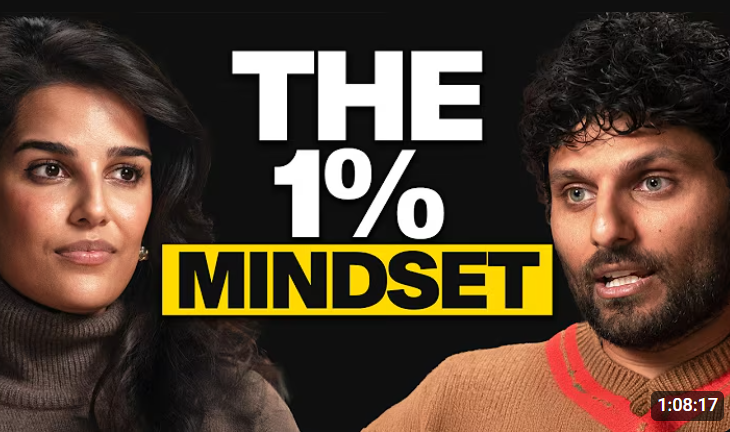
In the podcast MONEY EXPERT: How To Think Like The 1%, powerful insights are shared about financial happiness, wealth creation, investing, and building a meaningful life. Rather than focusing only on becoming rich, the discussion highlights how financially successful people think differently about money, freedom, and personal fulfillment.
The conversation challenges common beliefs promoted on social media and introduces a healthier, more sustainable mindset around wealth and success.
Financial Happiness Is Different From Financial Success
One of the strongest messages from the podcast is that financial success and financial happiness are not the same thing.
Society often defines success through:
- Luxury lifestyles
- Expensive possessions
- High income
- Social status
However, financially happy people focus on:
- Freedom
- Stability
- Peace of mind
- Time flexibility
- Living according to personal values
The top 1% mentally separate external success from internal happiness. Instead of chasing appearances, they create financial systems that support the life they truly want.
Why Investing Matters More Than Saving Alone
The podcast explains that building wealth requires more than simply saving money.
The Truth About Passive Income
Passive income is often misunderstood. Before money works for you, significant effort is usually required:
- Learning financial skills
- Building income streams
- Investing consistently
- Practicing discipline
The Power of Index Funds
For most individuals, index funds are recommended as a safer investment strategy because they:
- Spread risk across many companies
- Reduce emotional investing decisions
- Offer long-term growth potential
- Require less market expertise
Instead of gambling on individual stocks, financially intelligent people focus on consistent long-term investing.
Think Long-Term
Money invested in the stock market should not be needed immediately. Long-term investing helps avoid panic during market downturns.
The Modern Reality of Homeownership
The podcast also explores how buying a home has become more complicated in today’s economy.
Why Many People Reconsider Buying Homes
Factors influencing this shift include:
- Rising property prices
- Increasing living costs
- Slow wage growth
- Financial stress
Renting vs Buying
Homeownership can provide emotional comfort and stability, but renting may offer:
- Greater flexibility
- Lower financial pressure
- More mobility
- Freedom from maintenance costs
The key lesson is that financial decisions should support lifestyle goals instead of social expectations.
A Practical Financial Wellbeing Plan
The podcast provides a simple framework for improving finances within six months.
1. Build an Emergency Fund
Saving at least $2,000 creates:
- Security
- Reduced stress
- Protection during emergencies
2. Eliminate High-Interest Debt
Debt above 8% interest should be prioritized before investing because:
- Interest grows rapidly
- Debt creates emotional pressure
- Paying it off guarantees financial improvement
3. Create a Peace-Focused Financial Strategy
Financial planning should prioritize mental wellbeing, not just maximum returns.
Stop Spending to Impress People
Another important lesson is avoiding purchases made only for social validation.
Why Status Spending Fails
Buying expensive items to impress others often leads to:
- Temporary happiness
- Financial pressure
- Dissatisfaction
- Lifestyle inflation
Better Spending Habits
Instead, focus spending on:
- Experiences
- Learning
- Health
- Relationships
- Personal growth
Experiences tend to create longer-lasting happiness than material possessions.
Income Growth Is More Powerful Than Extreme Saving
The podcast highlights an important mindset shift:
There is a limit to how much you can save, but income potential can continue growing.
Ways to Increase Income
- Learn valuable skills
- Build side hustles
- Negotiate salaries
- Offer freelance services
- Create digital products
- Improve expertise
Financially successful people invest energy into becoming more valuable rather than only cutting expenses.
The Best Investment Is Yourself
Self-investment is presented as the highest-return investment anyone can make.
Examples include:
- Education
- Skill development
- Communication abilities
- Networking
- Health improvement
- Professional growth
Personal growth creates opportunities that can transform both financial and personal life.
Final Lessons About Money and Life
The podcast concludes with powerful reflections:
- Wealth should support freedom, not pressure
- Happiness matters more than appearances
- People should not be valued based on money
- Living boldly creates meaningful experiences
- Financial wellbeing starts with mindset
Ultimately, thinking like the 1% is less about luxury and more about intentional living, emotional intelligence, and disciplined financial behavior.
Key Takeaway
True financial success comes from aligning money with personal values, long-term peace of mind, and meaningful life experiences.
MORE STORIES:
 Egypt Reach Afcon Quarter-Finals After Extra-Time Win Over Benin
 Kagame Highlights Football’s Role in Promoting Peace
 Matheus Cunha makes first Man United start with £62.5m forward one of two summer signings named in Ruben Amorim’s first pre-season line-up
 How Al Hilal and Al-Merrikh Could Transform the Rwanda Premier League
 Rwanda Extends Nightlife Hours Ahead of UCI World Cycling Championships
 FERWAFA Dismisses Amavubi Head Coach Adel Amrouche
 European transfer Gossip, Lucas and Real Madrid it’s over
 Newcastle Face Strand Larsen Competition
 Kenyan Workers Earn More but Rely on Credit and Side Hustles
 How to Cope with Stress in Daily Life ?