



US and Iran Reach Framework Agreement
The United States and Iran have agreed on a framework deal aimed at creating a longer-term end to hostilities after more than three months of conflict involving Iran, the US, and Israel.
The agreement has raised hopes of economic recovery, particularly after the conflict disrupted global energy markets and significantly affected international trade routes.
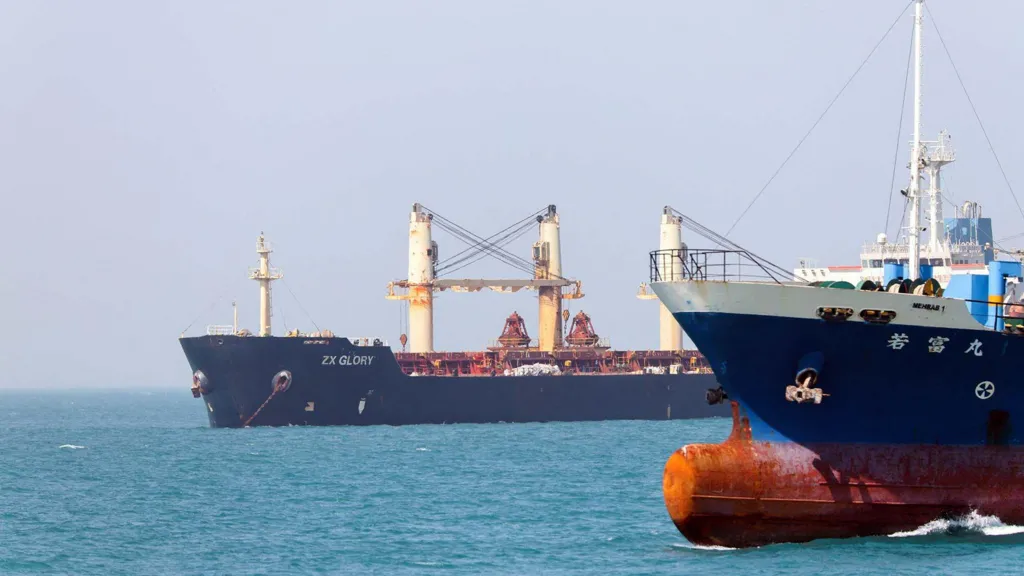
One of the biggest consequences of the conflict was the closure of the Strait of Hormuz, a critical shipping route through which around 20 percent of the world’s oil and liquefied natural gas supplies normally pass.
The disruption pushed global oil prices sharply higher and increased transportation and energy costs worldwide.
Strait of Hormuz Reopening May Take Time
Although US President Donald Trump announced that the agreement includes reopening the Strait of Hormuz to commercial shipping, experts caution that a return to normal operations will not happen immediately.
Shipping data indicates that vessel traffic through the waterway remains limited despite the announcement. Hundreds of vessels remain affected after months of restrictions and security concerns.
Industry experts say shipping companies must first reposition vessels, clear remaining risks such as sea mines, and secure insurance coverage before operations can fully resume.
Major shipping companies including Maersk and Hapag-Lloyd have vessels stranded in the Gulf and continue monitoring the situation before resuming normal operations.
Oil Prices Begin to Ease
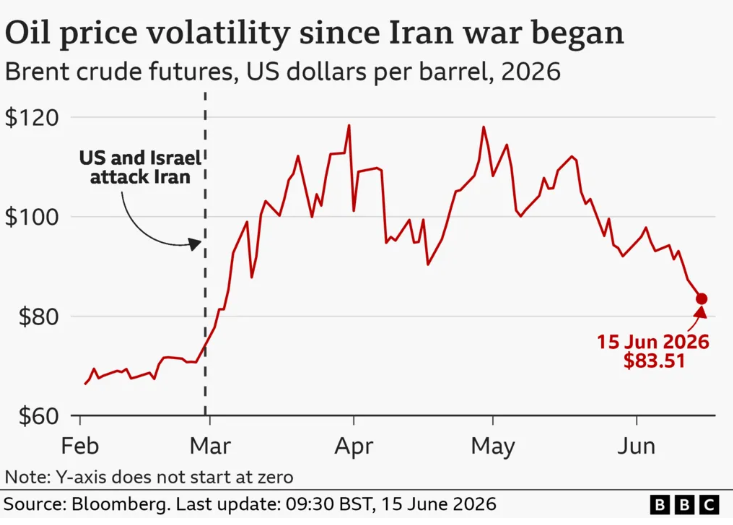
The conflict caused global oil prices to surge as supplies tightened.
Before hostilities began, Brent crude oil traded below $70 per barrel. During the height of the conflict, prices climbed to approximately $120 per barrel.
Following news of the framework agreement, Brent crude fell to around $83.55 per barrel.
Energy analysts say oil prices could remain volatile in the short term as markets wait for the final agreement to be signed and implemented.
However, if the ceasefire holds and shipping traffic gradually returns to normal, oil prices could stabilize later this year.
Impact on Food and Agriculture
The conflict also disrupted fertilizer supplies because natural gas and petroleum products are key ingredients in fertilizer production.
Higher fertilizer costs have placed additional pressure on farmers around the world and contributed to concerns about food prices.
Experts believe the agreement could help ease pressure on fertilizer markets. However, supply chains may take months to recover because some energy infrastructure remains damaged and agricultural planting seasons are already underway in many regions.
As a result, the benefits of lower fertilizer costs may not be felt immediately.
Aviation Sector Sees Some Relief
Jet fuel prices also increased significantly during the conflict.
Recent market data shows prices have started to decline following the announcement of the framework deal.
Lower fuel costs could eventually help airlines reduce operating expenses and improve profitability, although analysts say market conditions remain uncertain until shipping routes fully reopen.
Central Banks and Interest Rates
Rising energy prices during the conflict contributed to inflation in several economies.
Central banks in countries such as the United Kingdom faced pressure to delay interest rate cuts as fuel and transportation costs increased.
With oil prices beginning to decline, economists believe inflationary pressures could ease. This may allow central banks to adopt a more flexible approach to interest rates if economic conditions improve.
Lower borrowing costs could support business investment, consumer spending and housing market activity.
Businesses Await Greater Clarity
Despite positive market reactions, economists warn that many uncertainties remain.
Questions continue over the long-term durability of the agreement, future shipping arrangements in the Strait of Hormuz and the broader geopolitical environment in the Middle East.
Businesses across energy, shipping, aviation and agriculture sectors are closely monitoring developments as they assess the potential impact on supply chains, costs and investment decisions.
The agreement represents an important step toward reducing economic disruption, but experts say a full return to pre-conflict conditions will require time, stability and continued cooperation among all parties involved.
MORE STORIES:
 Huye: Residents Say Access Roads Left Them Landless Without Compensation
 Pi Network’s Predictive Leap: Redefining Currency, Industry, and Human Purpose
 Job Opportunities at National Child Development Agency
 Pi Hackathon 2025: Fueling Innovation for the Future of Web3
 Rwanda: Education as a Cornerstone for Sustainable Development
Job: MTN Rwanda is hiring
Rwanda: Education as a Cornerstone for Sustainable Development
Job: MTN Rwanda is hiring
 WhatsApp to Introduce Stronger Privacy Controls to Protect User Messages
 Samsung Launches Three-Panel TriFold Phone to dominate Apple and Huawei
Job Opportunities at National Land Authority
Samsung Launches Three-Panel TriFold Phone to dominate Apple and Huawei
Job Opportunities at National Land Authority
 Eric Trump, Justin Sun, and Nicolas Kokkalis Set to Headline Consensus 2025: A Landmark Crypto Industry Event