






Breakthrough case reported
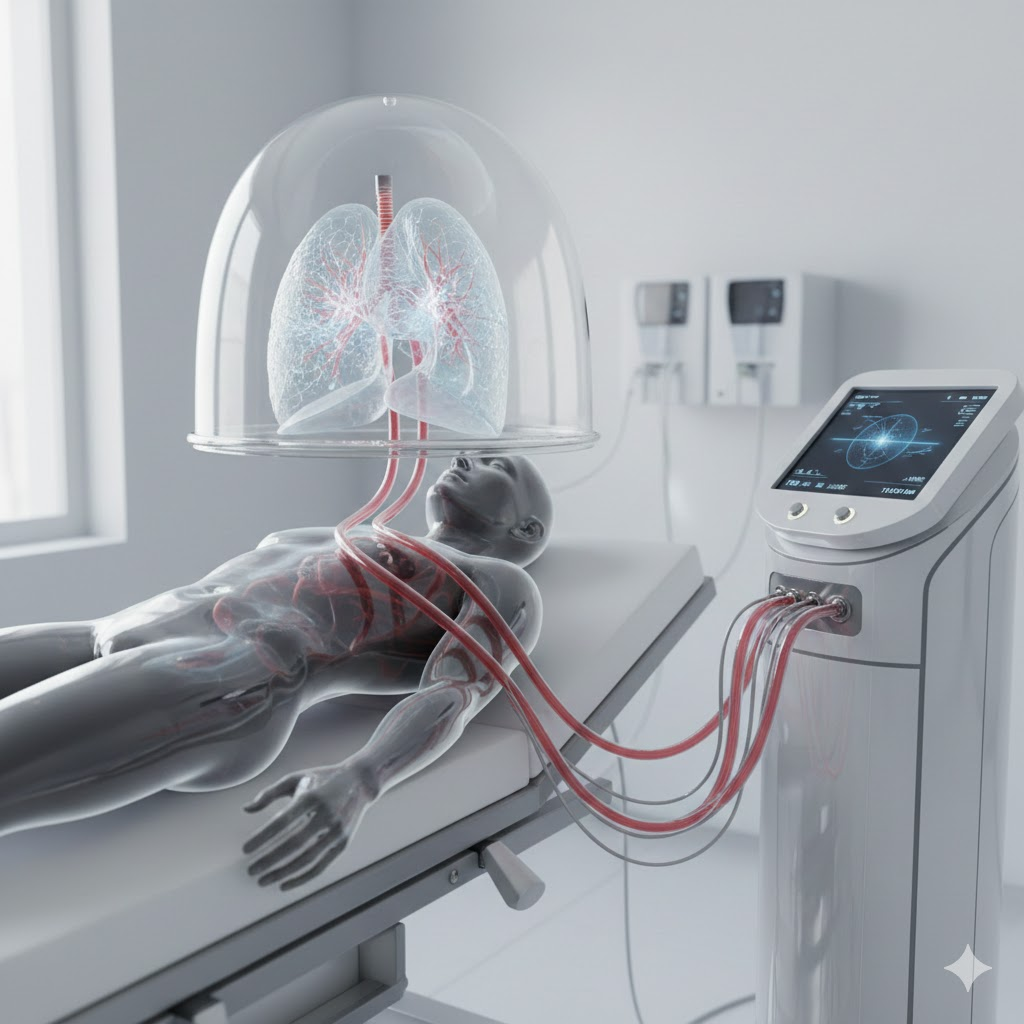
Doctors have successfully used an external artificial lung system to keep a critically ill patient alive for 48 hours after removing both lungs, according to a case published this week in the journal Med.
The temporary support allowed doctors enough time to perform a double lung transplant, marking a rare and significant medical achievement.
Patient faced multiple organ failure
In spring 2023, a 33 year old man with acute respiratory distress syndrome was admitted to Northwestern Memorial Hospital in the United States.
His condition worsened into necrotizing pneumonia and severe sepsis. Doctors placed him on a ventilator, but his health continued to decline. He later developed kidney failure and suffered cardiac arrest.
Rare and difficult decision
Faced with a life threatening situation, a medical team led by thoracic surgeon Ankit Bharat at Northwestern University Feinberg School of Medicine decided to remove the patient’s infected lungs.
After the surgery, doctors connected the patient to a newly developed artificial lung system. The device took over oxygen exchange outside the body, allowing doctors to stabilize the patient without lungs.
Rapid recovery follows
Within 48 hours, the patient’s condition began to improve. His kidney function fully recovered, and his heart returned to normal activity. Doctors no longer needed medication to maintain his blood pressure.
The patient later received a successful double lung transplant. Doctors reported no signs of organ rejection or impaired lung function following the procedure.
Expert reactions and future limits
Dr. Natasha Rogers, a transplant specialist at Westmead Hospital in Australia, described the technology as impressive. She said the medical team showed courage by applying such an advanced approach.
Dr. Bharat said he hopes the technology will become more widely available for patients waiting for lung transplants. However, Rogers noted that the procedure requires several highly trained teams and advanced facilities.
Because of these demands, only large hospitals can currently deploy the system, which limits its broader use.
Related posts:
 WHO Calls for Health Taxes on Sugary Drinks and Alcohol
 How Fibre Protects the Brain and Slows Cognitive Decline
 Gicumbi Residents Raise Safety Concerns Over Stray Dogs
 RBC Warns Barefoot Wetland Farmers of Rising Bilharzia Infection Risk
 Rwanda to Produce Medical Radionuclides
 Over 400,000 Rwandans Diagnosed With Malaria in Three Months
 Food Hygiene Identified as a Major Factor in Preventing Diseases in Rwanda
 Over 42,000 People Infected With Tuberculosis in Seven Years
 Ukrainians Encouraged to Use Heated Sex Toys to Cope With Extreme Winter Cold
 Dispelling common myths about blood donation
 Smoking Can Cause Breast Sagging in Women and Girls, Experts Warn
 Nearly One in Four Births Were Caesarean Deliveries
 How Smartwatches Help Detect Hidden Heart Problems
 France Sees More Deaths Than Births in 2025
 Wales: Woman with Cervical Cancer Says Doctors Ignored Symptoms for Years
 Gaps in Childhood Immunization Persist as Parents Cite Challenges in Huye
 Over 500 Children Killed by Malaria in Rwanda Over the Last Five Years
 29% of Men and 23% of Women Unaware of HIV Status