





Spice Kitchen began as a simple idea to keep a retired parent engaged. Today, it has evolved into a thriving export business with global reach.
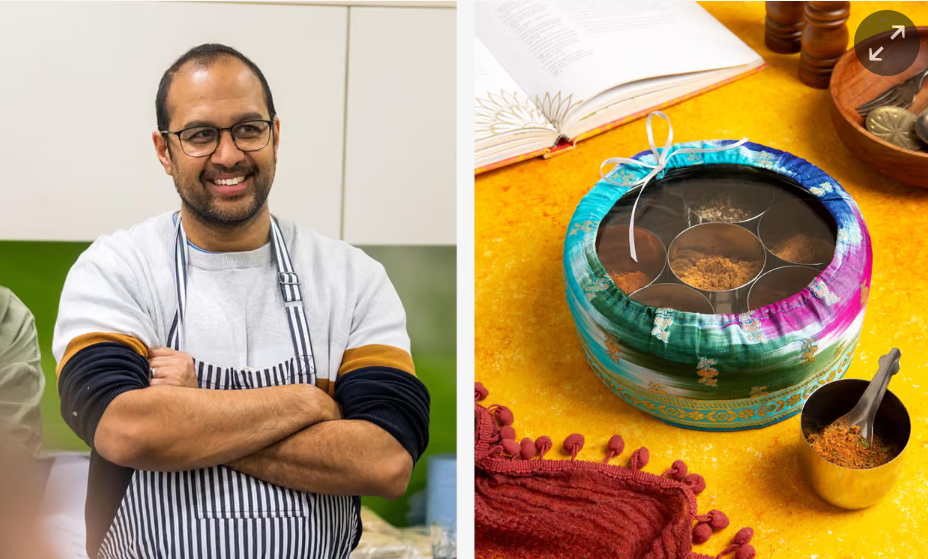
Founded by Sanjay Aggarwal and inspired by his mother Shashi Aggarwal, the company started in 2012 with homemade spice blends sold online. Their first product, a traditional spice tin, sold within a day.
What began on a kitchen table has since grown into a recognized food brand, now supplying products across the United Kingdom and international markets.
Building a Brand Through Craft and Innovation
In its early days, the business relied on small scale operations, including market stalls and handmade packaging. Shashi used recycled saris to wrap spice tins, creating a distinctive brand identity.
Over time, the company expanded its product line, introduced award winning food items, and published its own cookbook. Despite this growth, it has maintained its focus on craftsmanship and cultural authenticity.
This balance between tradition and innovation has helped differentiate Spice Kitchen in a competitive market.
Expanding Into Global Markets
With support from UK Department for Business and Trade, the company entered European markets, including Belgium, Germany, and the Netherlands.
More recently, expansion has accelerated into the United States, where demand for specialty food products continues to grow.
International growth has become a central part of the company’s strategy, with plans to scale further through partnerships and distribution networks.
Financial Challenges in Export Growth
As the business expands, managing cash flow has become a key challenge. Exporting often requires upfront investment in production before payments are received.
Sanjay highlights the importance of external financial support, particularly from UK Export Finance, which provides loans, guarantees, and insurance for exporters.
This support helps businesses handle large orders, reduce financial risk, and maintain operational stability.
Scaling Operations and Production
To meet increasing demand, Spice Kitchen is planning to invest in automation. Currently, much of its production process, including filling and labeling, is done manually.
Automation would improve efficiency, reduce costs, and allow the company to compete more effectively in international markets.
However, scaling production requires careful planning and access to financing, especially for small and medium sized enterprises.
Opportunities for Small Exporters
The success of Spice Kitchen highlights broader opportunities for small businesses entering global markets.
Government backed initiatives and export finance programs can play a crucial role in helping businesses overcome barriers such as limited capital and market knowledge.
Support systems are particularly important for minority owned businesses, where access to resources can determine growth potential.
Risks and Strategic Considerations
Expanding into international markets introduces risks, including fluctuating demand, regulatory differences, and delayed payments.
Businesses must also navigate unfamiliar markets and build reliable distribution networks.
However, with the right financial tools and strategic planning, these challenges can be managed effectively.
A Model for Entrepreneurial Growth
Spice Kitchen’s journey reflects how passion driven entrepreneurship can evolve into a scalable business. Its growth demonstrates the importance of innovation, adaptability, and strong brand identity.
While the company continues to expand globally, it remains grounded in its original mission of delivering authentic products rooted in family tradition.


10kz3d