

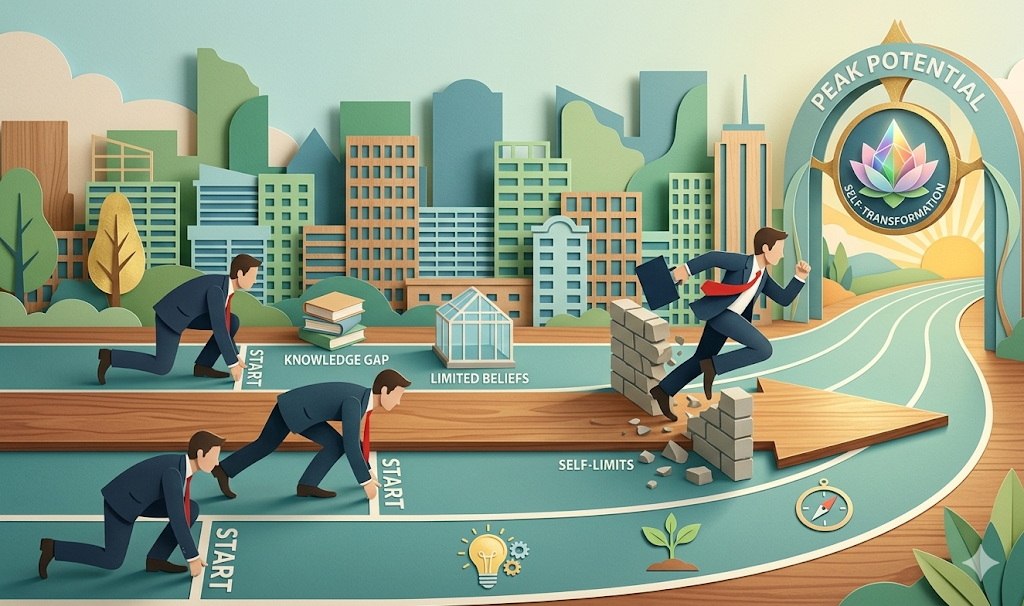
Personal development is evolving into a strategic priority as workplaces adapt to rapid technological and social change. By 2026, organizations and individuals are focusing less on routine skill improvement and more on long-term adaptability.
Advances in artificial intelligence, shifting workforce demographics, and increasing attention to well-being are reshaping how people learn and grow. Companies now view development as essential to resilience and innovation.
Personalized Learning Becomes Standard
Artificial intelligence is driving a shift toward customized learning experiences. Platforms powered by analytics can now tailor training to individual strengths, career goals, and learning speed.
This approach replaces traditional one-size-fits-all models. Employees receive targeted content that aligns with their roles and ambitions, improving both engagement and outcomes.
Personalized development also enables organizations to identify skill gaps more accurately and respond with relevant training solutions.
Soft Skills Gain Strategic Importance
As automation takes over routine technical tasks, human centered skills are becoming more valuable. Emotional intelligence, communication, and adaptability are now critical for professional success.
Organizations are investing in leadership development, collaboration training, and interpersonal skills. These capabilities support teamwork and decision making in complex environments.
In a technology driven workplace, soft skills help employees navigate uncertainty and maintain productivity.
Microlearning Supports Continuous Growth
Learning is becoming more flexible and accessible. Short, focused training sessions allow employees to build skills without disrupting their workflow.
Microlearning formats include brief videos, interactive modules, and real time simulations. These tools support continuous development and help individuals stay current in rapidly changing industries.
The shift toward lifelong learning reflects the need for ongoing skill updates rather than periodic training programs.
Well-being Integrated Into Development
Employee well-being is now central to personal growth strategies. Organizations are incorporating mental health support, stress management, and resilience training into development programs.
This approach recognizes that performance depends on both professional skills and personal balance. A healthier workforce is better equipped to handle challenges and sustain productivity.
Well-being initiatives also contribute to employee satisfaction and retention.
Technology Drives New Learning Models
Emerging technologies are transforming how development programs are designed and delivered.
Key innovations include:
- AI driven development plans that analyze performance and recommend learning paths
- Digital credentials that validate specific skills and support career mobility
- Collaboration tools that enable seamless learning across remote and hybrid teams
These technologies create more dynamic and scalable learning environments.

Organizational Strategies for 2026
To remain competitive, organizations are adopting new approaches to development:
- Encouraging experimentation to foster innovation
- Implementing continuous feedback systems
- Bridging generational gaps through mentorship
- Aligning learning initiatives with business objectives
These strategies help create a culture of continuous improvement.
Implications and Challenges
The shift toward advanced personal development offers significant opportunities. It enables organizations to build agile workforces and supports individuals in achieving long-term career growth.
However, challenges include ensuring equal access to learning resources and managing the rapid pace of change.
Organizations must also balance technological solutions with human centered approaches to development.