





Six years ago, Luca Carano lived in Barcelona with his girlfriend. One evening, they left their dog Luna at home while they went out for dinner.
Carano worried that Luna would feel lonely. He wondered if YouTube had something she could watch.
He decided to create his own solution. He launched Siesta Dog TV. The channel shows long videos of animated dogs playing or exploring calm places.
The videos use colors dogs see well, especially blue. Soft music plays in the background to help dogs relax.
One video reached millions of views. Many owners say these videos keep their dogs calm when they leave home.
The Rise of Dog-Focused Entertainment
Dog TV has grown quickly since Carano started his channel. Today, many people feel very close to their dogs and treat them like family.
Nicholas Dodman explains that more owners now understand separation anxiety in dogs. This concern has increased demand for dog-friendly content.
Other channels now offer similar videos. Some show real animals, while others use animation or simple repeating scenes.
AI tools now help creators produce videos faster and in many settings. Carano says dogs do not care if the content uses AI, as long as it keeps their attention.
Do Dogs Really Benefit from Watching TV?
Studies show mixed results. Research from Queen’s University Belfast found that dogs watch screens for short periods and lose interest quickly. Experts still say dogs need real interaction with people and other dogs.
Ilyena Hirskyj-Douglas also found that dogs watch videos in short bursts.
However, a study from Auburn University suggests TV can engage dogs and give mental stimulation.
DogTV supports this idea. Their content aims to reduce stress and help dogs relax. Some programs even help dogs get used to things like loud noises or car rides.
In the end, each dog reacts differently. Some enjoy TV, while others ignore it. For older or less active dogs, it can still provide useful mental stimulation.
MORE STORIES:
 WhatsApp Plans Advertising Rollout with Optional Paid Subscription
 Bitcoin Falls Below $78,000 After Warsh’s Fed Nomination Shakes Markets
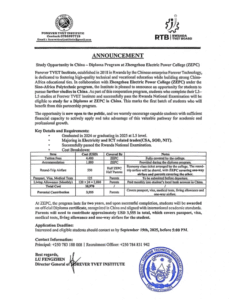 SCHOLARSHIP: STUDY IN CHINA
 Tobacco Smoke: A Serious Health Threat
 Transcending the Transition: Pi Network’s Quiet Evolution Toward a New Digital Economy
 Starcloud Secures $170 Million to Build Space Based Data Storage Infrastructure
 Cuba Faces Jet Fuel Shortage as US Sanctions Tighten
 Job opportunities at RwandaAir
 Apply for ENUMERATORS job at ADEPE
 iPhone 17 Pro: What You Need to Know about iPhone 17 Pro
taraftarium24 canlı maç izle justin tv hd fenerbahçe kayserispor
Your articles always leave me thinking.
pwxfyx