



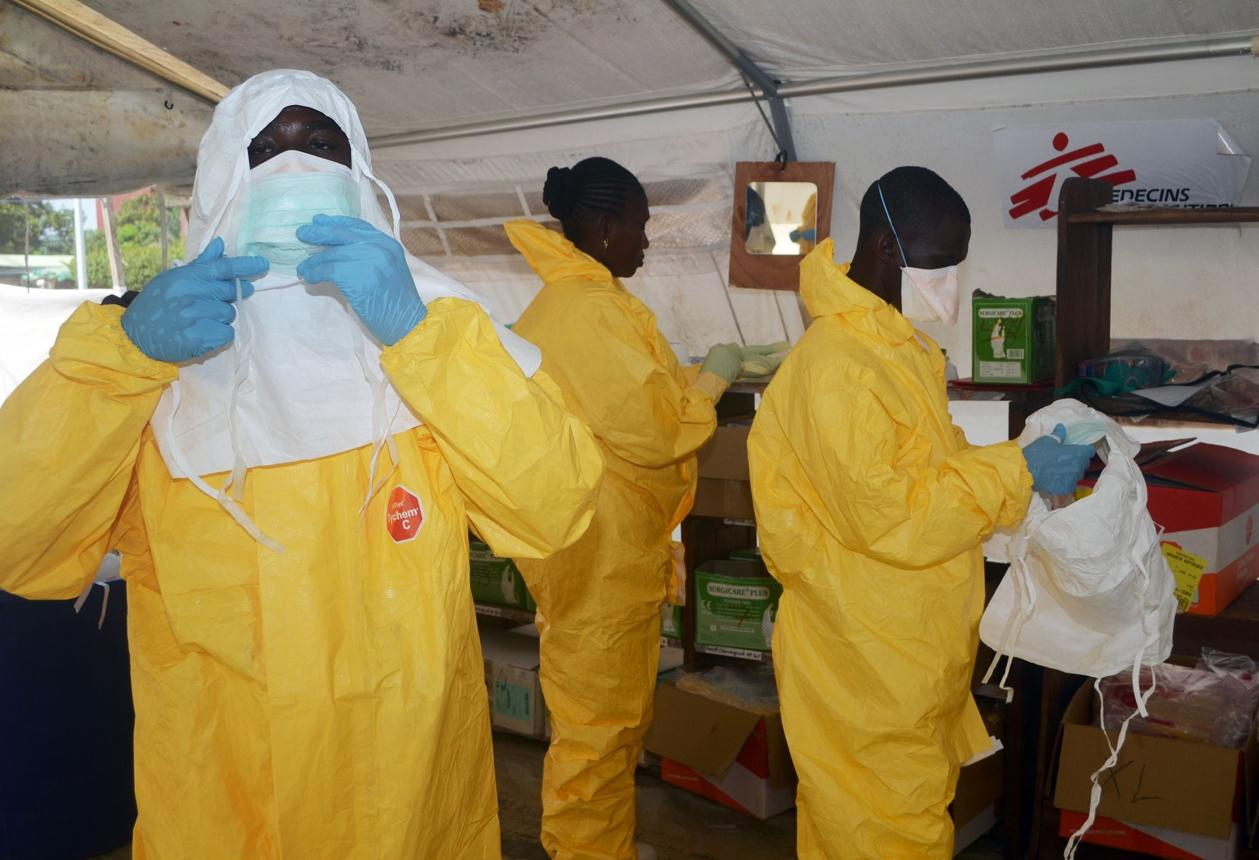
Hélène Akilimali, a cocoa seller in eastern Democratic Republic of the Congo, says she takes strict precautions to avoid Ebola infection by always wearing a face mask. However, her job forces her to interact with many customers every day, including people who refuse to believe the virus exists or ignore safety measures.
Akilimali warned that misinformation and denial are contributing to the spread of the disease. While she protects herself, she cannot force customers to follow the same precautions.
Many residents in the heavily affected provinces of Ituri and North Kivu say false beliefs and careless attitudes toward face masks have made the outbreak worse. Some people only began taking the disease seriously after witnessing deaths in their communities.
Rising Cases and Tensions Around Ebola Measures
The World Health Organization has linked at least 177 deaths to the outbreak, with nearly 750 suspected infections reported. The virus first appeared in rural communities before spreading to major cities such as Bunia and Goma. Neighboring Uganda has also confirmed several cases and deaths.
As the outbreak worsened, tensions increased in affected communities. In Ituri Province, relatives of a young Ebola victim attempted to forcibly remove his body from a hospital, leading protesters to set parts of the health facility on fire. Authorities later imposed restrictions on public gatherings and banned funeral wakes to reduce transmission.
Health experts warn that traditional funeral practices, especially touching the bodies of deceased victims, can rapidly spread Ebola because infected corpses remain highly contagious.
Humanitarian Challenges and Pressure on the Health System
Responding to the outbreak has become increasingly difficult because eastern DRC faces ongoing armed conflict, displacement of millions of people, and weak healthcare infrastructure. The Ebola strain involved in this outbreak also lacks an approved vaccine or treatment.
Aid organizations say funding shortages and reduced international support have slowed emergency efforts. Humanitarian workers are trying to provide clinics with essential materials such as disinfectants and chlorine to maintain infection control.
Greg Ramm from Save the Children explained that health centers must remain operational so people continue seeking treatment not only for Ebola, but also for illnesses like malaria, measles, and malnutrition. Experts fear that if people avoid hospitals out of fear, deaths from other preventable diseases could rise sharply, especially among young children.

Spot on with this write-up, I actually think this site needs
a lot more attention. I’ll probably be back again to read through more, thanks for the
advice!
I read this paragbraph fuylly abut the resemblance
oof hottest andd preceding technologies, it’s remzrkable article.
It’s actually very complex in this active life to listen news on Television, so I only use web for that reason, and
take the latest news.
ig59vv