




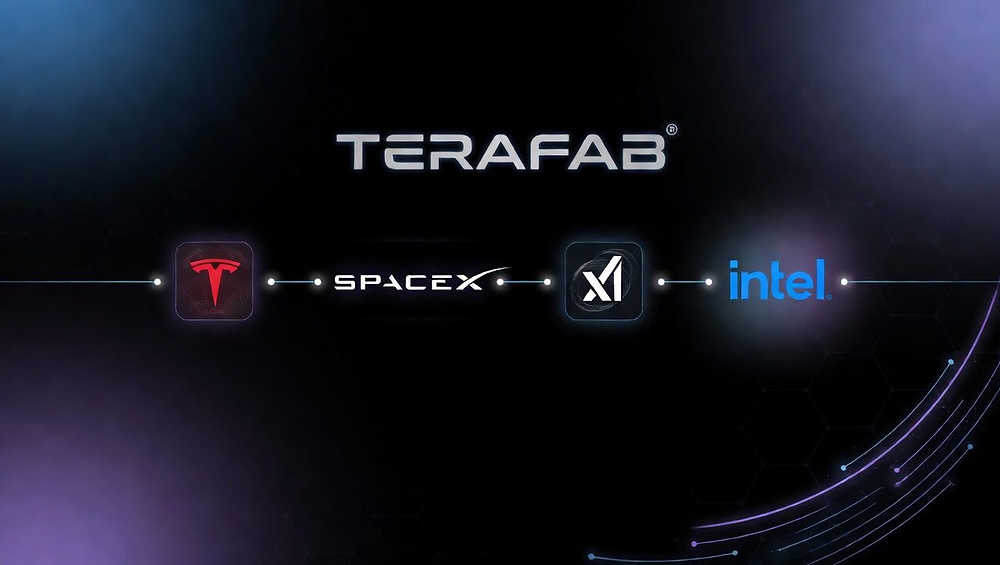
Intel has joined forces with SpaceX and Tesla to develop a large semiconductor manufacturing facility in Texas. The project, known as Terafab, reflects a strategic move to strengthen domestic chip production and support future technological growth.
Meeting Rising Demand for Advanced Chips
The partnership aims to produce high performance chips capable of handling massive data processing demands. These semiconductors will play a key role in advancing artificial intelligence, robotics, space exploration, and autonomous driving technologies.
As global demand for computing power continues to grow, companies are investing heavily in infrastructure that can support next generation innovation.
High Investment and Technical Challenges
Building a modern chip factory requires significant resources. Industry experts estimate that such facilities can cost more than 20 billion dollars and take several years to complete. The complexity of semiconductor production also demands specialized knowledge and precision engineering.
While SpaceX and Tesla bring strong financial backing and innovation, they lack direct experience in chip manufacturing. Intel’s expertise will therefore remain central to the success of the project.
Market Response and Economic Impact
Following the announcement, Intel’s stock price increased, signaling strong investor confidence. The collaboration highlights efforts to reduce reliance on foreign supply chains and strengthen the United States position in the global semiconductor market.
This initiative may also create jobs, boost local economies, and encourage further investment in the technology sector.
Opportunities for Innovation and Collaboration
The Terafab project shows how cross industry partnerships can accelerate technological progress. By combining expertise from aerospace, automotive, and semiconductor industries, the companies aim to build a more resilient and innovative ecosystem.
This approach could inspire similar collaborations as companies seek to secure access to critical components.
Risks and Operational Considerations
Despite its potential, the project faces several risks. High costs, long timelines, and coordination between different industries may slow progress. In addition, rapid changes in technology could require continuous upgrades to remain competitive.
Future Outlook
If successful, the Terafab initiative could transform chip manufacturing in the United States. It may strengthen supply chains, support emerging technologies, and position the country as a leader in semiconductor innovation.
Conclusion
The partnership between Intel, SpaceX, and Tesla marks a significant step toward addressing global chip demand. As industries continue to rely on advanced computing, projects like this will shape the future of technology and economic growth.
MORE STORIES:
 WASAC moves water connection services to IremboGov platform
 Update: ACADEMIC CALENDAR FOR THE ACADEMIC YEAR 2025/2026
 Solar Storms Could Disrupt Satellite and GPS Operations
 Bitcoin Falls Below $78,000 After Warsh’s Fed Nomination Shakes Markets
 Trump gives Hamas deadline to accept Gaza peace plan
 China’s 16-Ton Jiutian Drone Completes Historic First Flight
 Supermoon Visible in Rwanda on December 4
 Apply for ENUMERATORS job at ADEPE
 U.S. Reveals Hamas Planning Major Attack on Gaza Civilians
 Heart Diseases Can Be Prevented
kx8gg3