
Sudanese refugee students living in the Central African Republic are struggling to rebuild their education after conflict forced them to leave their homes, universities and families behind.
Many of the students have spent several years without regular classes. Those who have secured places at the University of Bangui must now study in French, although most completed their earlier education in Arabic.
Al Jazeera interviewed more than 30 Sudanese university students living in exile in the Central African Republic. Most were young adults from Darfur, including students who had passed through Amdafock before reaching Korsi refugee camp near Birao.
Their experiences illustrate how displacement can affect education long after refugees have crossed a border. In addition to learning a new language, the students face financial pressure, family separation and uncertainty about whether their previous studies will be recognised.
- More than 30 Sudanese university students described their educational challenges to Al Jazeera.
- Many fled communities in Darfur and are now living in the Central African Republic.
- Students who previously studied in Arabic must learn French to attend the University of Bangui.
- UNHCR and the Mastercard Foundation have supported a group of Sudanese refugees to enter higher education in the Central African Republic.
Studies Interrupted By Flight From Darfur
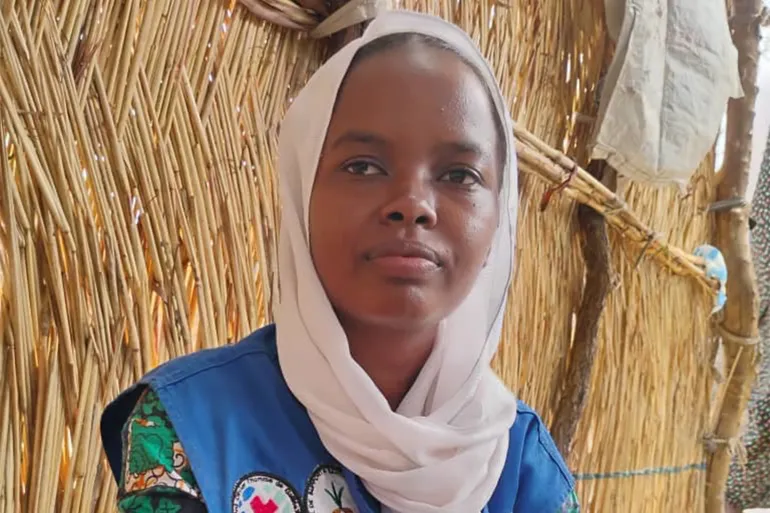
Among the displaced students is Islam Ibrahim, a 20-year-old pharmacy student who fled Sudan with her mother and six sisters after her father was killed during the conflict in el-Fasher.
Her university studies stopped when the family left Sudan. At Korsi refugee camp, she now uses some of the medical knowledge she acquired before the war to assist newly arriving women and girls.
However, her family continues to face pressure to return to Sudan to address inheritance matters. Ibrahim said she would only wish to return under conditions that allowed her to resume her education safely.
Other students interviewed by Al Jazeera had also expected their displacement to be temporary. They initially believed that they would return home and continue their courses once the fighting ended.
Instead, continued insecurity has reduced the possibility of returning to their communities or universities.
Language Creates A New Educational Barrier
Some Sudanese refugee students have received opportunities to study at the University of Bangui. However, admission does not remove all the barriers they face.
Sudan primarily uses Arabic and English in education, while French is the main language of instruction in the Central African Republic. Refugee students must therefore acquire sufficient French before they can understand lectures, complete assignments and sit examinations.
Learning a new academic language may add years to their studies. It can also be especially difficult for students who are dealing with financial hardship and the emotional effects of displacement.
UNHCR reported in 2025 that 30 Sudanese refugee students formed the first group of scholars supported through the Albert Einstein German Academic Refugee Initiative in the Central African Republic. The programme, supported by the Mastercard Foundation, provides language preparation and opportunities to enter higher education.
The scholarships offer an important route back into education. Nevertheless, the number of places remains small compared with the number of displaced young people whose studies have been interrupted.
Students Face Family Separation
Continuing education has required difficult personal decisions for some refugee students.
Intisar el-Sadig fled Sudan with her young child after losing her husband during the conflict. When she received an opportunity to study at the University of Bangui, she left her three-year-old son in Korsi refugee camp under the care of her mother.
She travels back to see him when circumstances allow. Her experience shows how refugee students may have to balance education with parental and family responsibilities.
Other students described similar losses. Some had previously studied law, sociology, pharmacy and other subjects. Their professional ambitions included becoming judges, teachers, engineers, academics and health workers.
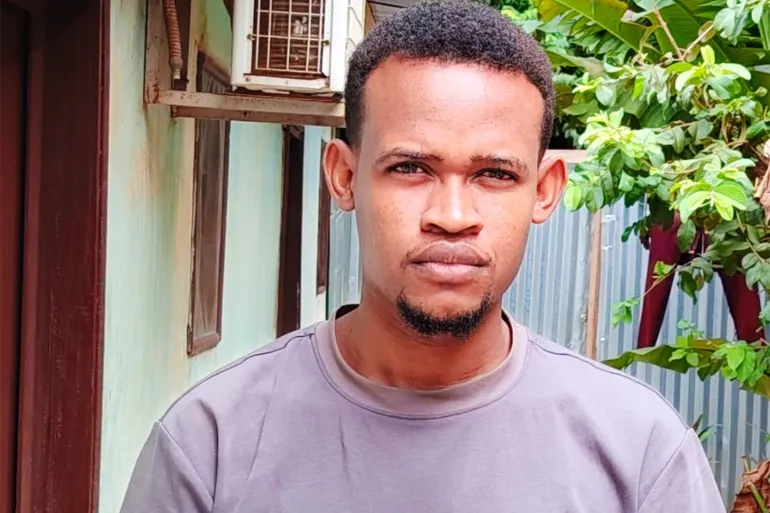
Displacement has delayed those plans. Some have returned to university, while others remain unable to continue their courses.
Sudan’s Wider Education Crisis
The conflict between the Sudanese Armed Forces and the Rapid Support Forces began in April 2023. It has displaced millions of people inside Sudan and across neighbouring countries.
Education has been among the sectors most severely affected. Schools and universities have been damaged, closed or used for other emergency purposes. Teachers and students have also been displaced.
In April 2026, UNESCO reported that about 19 million children in Sudan were out of school. The organisation also estimated that approximately 80 per cent of higher education institutions were no longer operating.
Access to education is uneven across the country. Some schools have reopened in areas where security has improved, while learning remains heavily disrupted in conflict-affected parts of Darfur and other regions.
The interruption also affects examinations and academic records. Students who flee without certificates or transcripts may struggle to prove their previous qualifications when seeking admission in another country.
Education Offers A Path To Rebuilding
Despite these challenges, several Sudanese students in the Central African Republic continue to pursue their studies.
Those admitted to the University of Bangui are learning French while adjusting to a different academic system. Others volunteer in refugee communities and use the knowledge they obtained before their education was interrupted.
Their experiences show that access to university involves more than receiving admission. Refugee students may also require language training, financial assistance, recognised academic documents, accommodation and emotional support.
For those who remain outside formal education, the interruption continues. Their ability to resume their studies depends on the availability of learning programmes, scholarships and safe pathways into recognised institutions.