

Researchers have identified the first dinosaur fossil ever discovered in Antarctica after it remained unnoticed in a scientific collection for nearly 40 years. The remarkable finding highlights the importance of reexamining archived specimens as new scientific knowledge and analytical techniques continue to advance.
The fossil was originally collected in 1985 on James Ross Island, Antarctica. At the time, researchers did not recognize it as dinosaur bone and placed it in storage at a research facility in Cambridge, United Kingdom, where it remained largely overlooked for decades.
Reanalysis Reveals Titanosaur Tail Bone
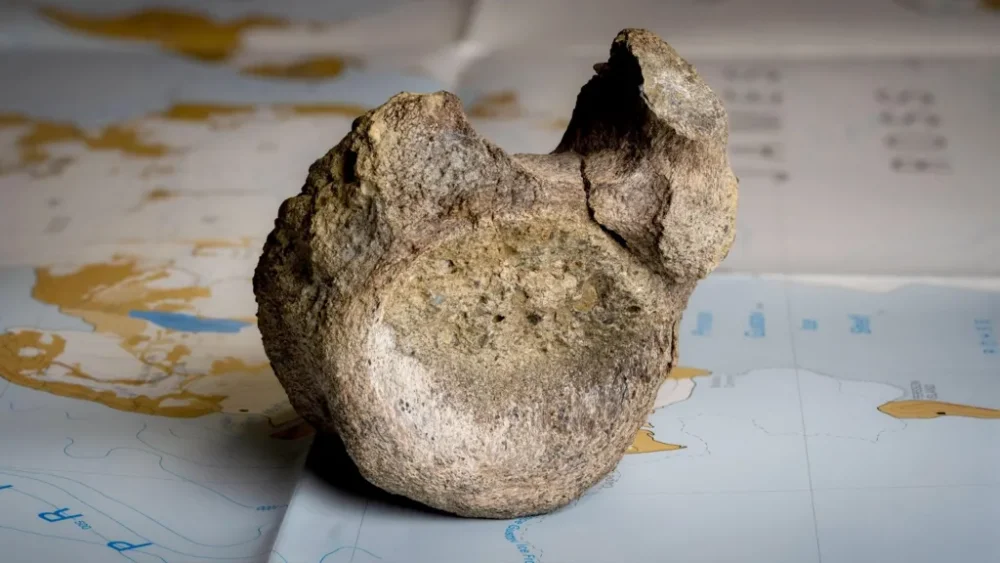
Paleontologists recently reexamined the specimen and confirmed that it is a tail bone belonging to a Titanosaur, a group of long-necked herbivorous dinosaurs that included some of the largest animals ever to walk the Earth.
The identification provides valuable evidence that these giant dinosaurs once inhabited regions that today are covered by ice.
Scientists say the discovery improves understanding of dinosaur distribution across ancient continents and strengthens evidence that Antarctica supported diverse ecosystems millions of years ago.
Museum Collections Continue to Reveal Scientific Discoveries
Dr. Mark Evans, who oversees fossil collections, explained that he rediscovered the specimen while reviewing thousands of fossils gathered during numerous Antarctic research expeditions.
According to researchers, museum and research collections often contain specimens that were difficult to identify when they were first collected. Advances in scientific methods frequently allow experts to uncover important discoveries years or even decades later.
The finding demonstrates the long-term scientific value of preserving research collections.
Ancient Antarctica Looked Very Different
Professor Paul Barrett of the Natural History Museum confirmed the fossil’s significance, noting that the bone displays distinctive features associated with the tail of a Titanosaur.
Researchers estimate that the dinosaur lived approximately 82 million years ago, during the Late Cretaceous period.
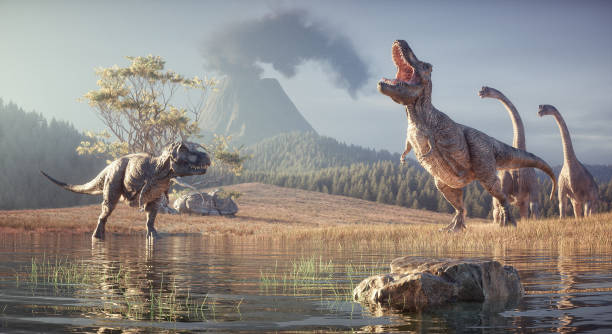
At that time, Antarctica had a dramatically different climate from today. Instead of being dominated by ice sheets, much of the continent featured forests, abundant vegetation, and a warmer environment capable of supporting a wide variety of plant and animal life.
Why the Discovery Matters
The rediscovered fossil offers new evidence about prehistoric ecosystems in Antarctica and helps scientists better understand how dinosaurs adapted to different climates before the breakup of the ancient supercontinent Gondwana.
It also reinforces the scientific importance of revisiting historical collections, where overlooked specimens may still hold valuable information about Earth’s evolutionary history.
Future studies of Antarctic fossils could reveal additional species and deepen understanding of how ancient ecosystems changed as global climates evolved over millions of years.