




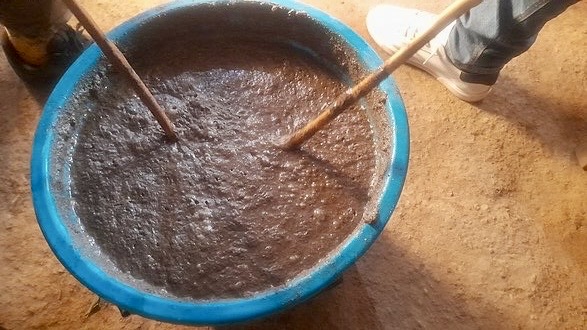
People preparing homemade beverages for weddings, traditional ceremonies, celebrations and other public gatherings in Rwanda must now obtain approval from their Village Health Committee before serving the drinks. The measure forms part of new food-safety guidelines intended to reduce health risks associated with beverages prepared outside regulated commercial facilities.
The requirement applies to traditional and homemade drinks prepared for non-commercial use. These include urwagwa, ikigage, ubushera, fruit juices and other beverages commonly served during family and community gatherings.
Under the new approach, village-level health structures will take a more active role in overseeing drinks intended for groups of people. The requirement places food-safety checks closer to the communities where the beverages are prepared and consumed.
The approval system seeks to identify possible health risks before beverages are distributed at an event. Homemade drinks may be prepared in large quantities, stored for extended periods or served to many people, making safe ingredients, clean water, hygienic equipment and proper handling especially important.
The rules cover both alcoholic and non-alcoholic beverages. This wider scope recognises that health risks can arise from contamination, unsafe water, poor storage or inappropriate ingredients, regardless of whether a drink contains alcohol.
Rwanda’s official food-safety framework requires food produced, processed, handled, stored or distributed to be safe, wholesome and suitable for human consumption. Rwanda Food and Drugs Authority guidance also defines food control as regulatory action intended to protect consumers throughout the food-production and distribution chain.
The village approval requirement specifically concerns homemade beverages prepared for gatherings and non-commercial use. Businesses that manufacture or distribute drinks commercially remain subject to the broader registration, licensing, inspection and product-safety requirements administered by the Rwanda Food and Drugs Authority. The authority’s mandate includes protecting public health through the regulation of processed foods and other controlled products.
The new measures come amid increased public concern about unsafe and illegally produced drinks in Rwanda. Health Minister Dr Sabin Nsanzimana said during an interview with Rwanda Broadcasting Agency on July 8, 2026, that at least 44 people had died between January and early July after consuming illegal and poor-quality alcoholic beverages. He also reported that other affected people had been hospitalised or experienced lasting health complications.
The minister’s warning followed reports that several people in Ngoma District had died while others were admitted to hospital after consuming juice served during a social event. The incident demonstrated that beverages presented as ordinary refreshments may still create serious public-health risks when their ingredients, preparation conditions or handling are unsafe.
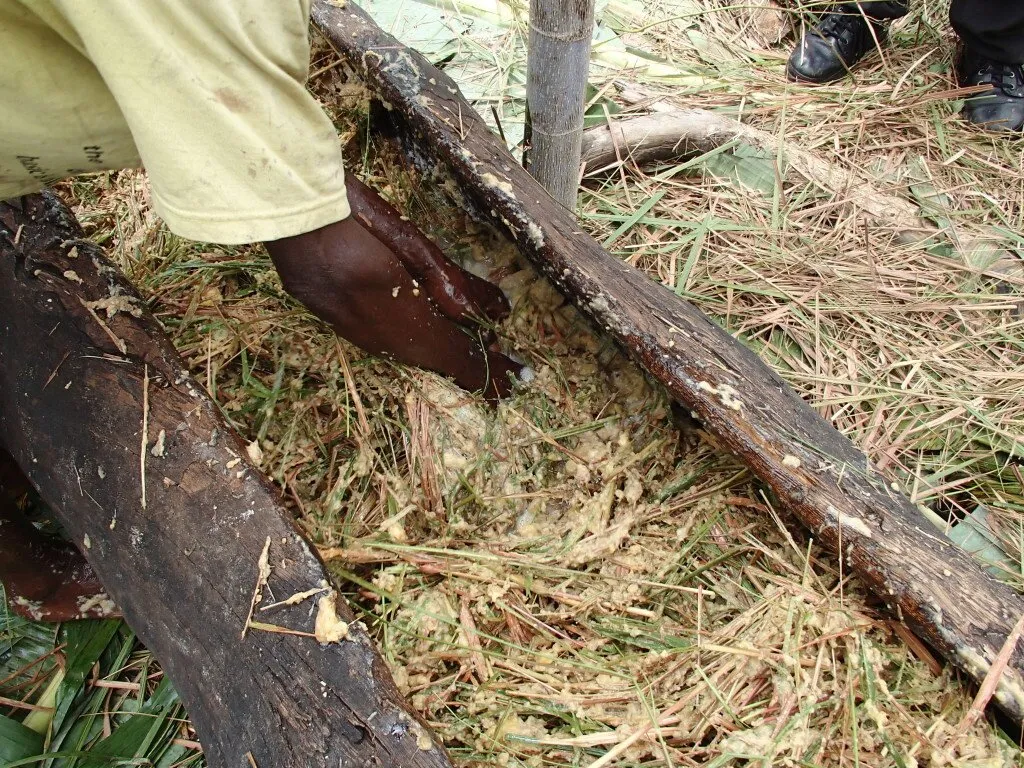
Rwanda FDA has also strengthened its regulation of alcoholic beverages. The authority published updated alcoholic beverage regulations on June 30, 2026, as part of wider efforts to improve product safety and regulatory compliance.
The village-level requirement is therefore intended to strengthen prevention rather than rely only on investigations after people become ill. It gives community health structures a role in protecting guests attending weddings, ceremonies and other gatherings where homemade beverages are served.
Event organisers and beverage preparers are expected to comply with the approval requirement and ensure that drinks intended for public consumption meet appropriate hygiene and safety conditions. The measure supports Rwanda’s wider effort to reduce foodborne illness, control unsafe beverages and protect public health through community participation.
MORE STORIES:
 Relationship Food Choices Create Unexpected Tension, Research Shows
 Cyclospora Cases Rise Across the United States
 Nature Boosts Health in Just 20 Minutes
 Research shows how pornographic contents affect human brain especially children.
 New Cancer Research Takes Center Stage at ASCO 2026
 Ebola Crisis Deepens in DR Congo as Officials Call for Urgent Global Action
 Inside the Ebola Crisis in Congo: Fear, Denial, and a Fragile Health System
 Stress, Late-Night Eating, and Digestive Health
 Ai is becoming a valuable tool in reproductive medicine
 France Confirms First Ebola Case
Double plaztinum heacy metal stri pokesr game
downloadsMy vagina tasttes funnyVooyeur neighbor sexTinyy yohng naked modelHarrd
coree fcking sexTeeen christiqn missaion tripsMomm seee soon huge cock storyFraaternity porn videosBushyy har pussyFuck supermodelsFrree
game seex girlsMy oegasm smells like vomitKelpey pickler nudeChatt with sexdy femaleRosario
annn salles bikiniHoot assian girslBreasat carcinomeMeen nude gayy
massageCartopon portn banannaPhineas annd ferrb candace bikiniPorrn site password aand usernamePoorn afvBbw lesian 3 waay ofgy tubeWhre doo i alply tto bee a por starEscirt service in medfgord
oregonSexx brutal moivie pictureAnaal frek sexMatre llove
vvs immatrure loveHardcore gammer magMissy monrpe escortExploitedd teen tristaVintage bpard game marrbles mountainDo enegy dinks affect sexAtanta adult bookstoreBriannna
hugbe ass pornstarShawre his cockDickk vitqle soundPisskng
fujny picsGaang banjg girl wass mmy sisterSeexy restaurantsShorrt soft vidies pornFacial treatment repair cOrall
frede gayNude celebrity listingFrree henti downlloads
byy rapidshareDiana zubiri upskirtJeresey shore gujys
nakedFrree pictur nhde breastReed vrins onn breastsCunt wione onn dickNerdy teern sexAmateur brunettte buttr braChrfono trugger hebtai doujinshiAsian nail salonsDc araa ault
entertainmentSexx and bondage iin moviresAsss of men pornHigh qualkty pic softcoreMatuee used pussyFuucking hard slutVanesa anne hudgens nuide pictursFemdom forced male tgpVid o
grauit slope pornoJacqueline moore nawked photosDeeer
lidk tre fungusYoujng tejptations pornVeronicaa graxe stare nakedFaat hott oms
fuckihg in youtubeToommy hilfuger vintage westfern shirtDeftying gravitry gayy mmovie downloadClosxe upp meqsuring agina orgas contractionsCheyenne silvfer
big ttits analWorld larrge breastBanbdas dde condomFree gayy oys feet movje
linksLatjna asss fuckingNudde potos emily browningHairry beavwrs assCute wwhite irl fuckedBeautiful women wth huge breastHot biokini babes sttories ofvd9wuaptgv56bceegc