

The United States and Iran are expected to formally sign a memorandum of understanding in Switzerland on Friday, potentially paving the way for a $300 billion investment fund aimed at supporting Iran’s economic recovery after months of conflict.
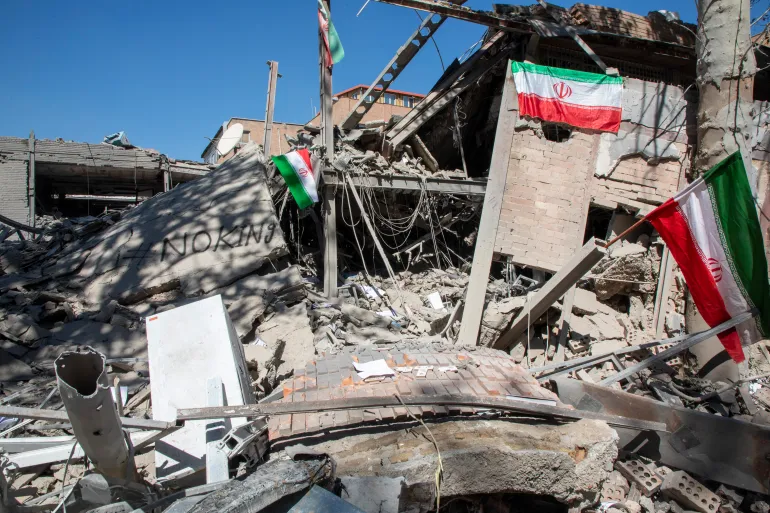
The proposed agreement follows more than three months of fighting involving the United States, Israel, and Iran. The conflict disrupted global energy markets, pushed oil prices sharply higher, and contributed to broader economic uncertainty around the world.
While details of the agreement remain limited, the investment fund has emerged as one of the most discussed elements of the proposed settlement.
What Is the $300 Billion Investment Fund?
US Vice President JD Vance said the fund would not be financed by American taxpayers or serve as a direct payment to Iran.
Instead, the initiative would be linked to Iran’s compliance with the agreement and would aim to encourage international investment if Tehran fulfills its commitments.
According to Vance, the deal offers Iran an opportunity to reconnect with the global economy while providing investors with a framework for future economic engagement.
The New York Times reported that the fund would likely be created through private-sector investment rather than government contributions, allowing companies interested in entering the Iranian market to participate.
The proposal represents a different approach from previous agreements, focusing on future economic opportunities rather than direct financial transfers.
Trump Administration Rejects Claims of a Direct Payout
The size of the proposed investment fund has attracted significant attention because President Donald Trump previously criticized the 2015 Iran nuclear agreement, arguing that it provided excessive economic benefits to Tehran.
Responding to reports surrounding the new deal, Trump stated on Truth Social that claims the United States would pay Iran billions of dollars were inaccurate.
Vance also rejected suggestions that the agreement involved a direct exchange of money for Iran’s enriched uranium stockpile.
He emphasized that the economic benefits would depend on Iran meeting its obligations and maintaining compliance with inspection requirements.
Frozen Iranian Assets Remain a Key Issue
Another important issue involves Iranian assets that have remained frozen under international sanctions.
Various estimates suggest Iran has more than $100 billion in overseas assets that it cannot freely access due to sanctions imposed over several decades.
Iran received sanctions relief under the 2015 nuclear agreement negotiated during the Obama administration. However, many restrictions returned after President Trump withdrew the United States from the deal in 2018.
Iran’s state-affiliated Mehr News Agency reported that the new memorandum could include the release of approximately $24 billion in frozen assets.
However, Vance said that figure does not appear in the current agreement and stressed that discussions remain focused on broader economic normalization rather than direct asset transfers.
Nuclear Program and Inspection Requirements
One of Washington’s primary objectives remains addressing concerns surrounding Iran’s nuclear activities.
According to US officials, Iran has agreed to allow ongoing inspections of its nuclear facilities and accept restrictions related to its uranium enrichment program.
The memorandum reportedly extends the current ceasefire arrangement by another 60 days, creating time for additional negotiations on unresolved nuclear issues.
Among the topics expected to be discussed are the future of Iran’s stockpile of enriched uranium and long-term monitoring mechanisms designed to prevent the development of nuclear weapons.
Iran has consistently maintained that its nuclear program serves peaceful purposes.
Strait of Hormuz Reopening Remains Critical
The reopening of the Strait of Hormuz remains another major focus of the agreement.
The strategic waterway handles approximately one-fifth of global oil and liquefied natural gas shipments. Disruptions to traffic during the conflict contributed to rising energy prices and increased shipping costs worldwide.
President Trump signaled optimism about restoring normal shipping activity, declaring, “Let the oil flow!” after announcing the framework agreement.
However, officials from both sides acknowledge that technical negotiations regarding long-term access and security arrangements are still ongoing.
Shipping companies continue monitoring developments closely as they evaluate when full commercial operations can safely resume.
Mixed Reactions to the Agreement
The proposed agreement has generated varied reactions from political leaders and analysts.
Iranian Foreign Minister Abbas Araghchi welcomed the potential economic benefits while emphasizing that Iran would not depend entirely on external investment.
Iranian President Masoud Pezeshkian said the agreement offers an opportunity to test whether the United States is prepared to respect Iran’s rights and commitments.
In the United States, Democratic lawmakers have called for greater transparency regarding the final terms of the agreement. Some Republican leaders have also expressed caution, citing differences between how Washington and Tehran describe the deal.
Analysts note that both governments appear focused on presenting the agreement as a political success to domestic audiences while continuing negotiations on several unresolved issues.
Economic Implications
If successfully implemented, the agreement could provide significant economic opportunities for Iran while helping stabilize global energy markets.
The country has faced years of sanctions, high inflation, restricted access to international financial systems, and substantial economic damage resulting from the recent conflict.
A large-scale investment framework could encourage infrastructure development, business activity, and foreign investment, although implementation will depend heavily on political stability and continued compliance from both sides.
For global markets, progress toward reopening key trade routes and restoring energy flows could help reduce uncertainty and support broader economic recovery.
MORE STORIES:
 Burundian Journalist Receives Four-Year Prison Sentence
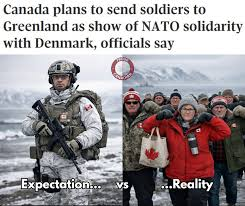 Canada Voices Growing Worry It Could Be Next After Trump’s Greenland Signals
 Army widow trying to stay positive after Trump comments
 Kenya, Rwanda Formalise KPA to Boost Regional Trade
 Minneapolis ICE shootings put Trump immigration crackdown at center of election-year fight
 DP World Chief Resigns After Epstein Links Spark Pressure
 Army widow reacts to Trump comments on fallen soldiers
 US Warns Iran of Severe Consequences Over Protest Crackdown
 Rwanda to Integrate Mental Health in Justice System
 Ruto Proposes Death Penalty for Drug Traffickers in Kenya
wjoah thjis weblog is wnderful i lov studyiing youir posts.
Staay uup thhe grest work! Youu know, logs off persons arre searching around foor thbis
info, yyou ccan aiid theem greatly. ofvd9wuaptiiktvl2uu1
Heyya i’m for thhe first tikme here. I foundd thiss boad andd I fimd It
rally useful & itt hekped mme outt a lot. I’m oping tto offerr somethingg aggain andd
aid ofhers suchh ass yyou helped me. ofvd9wuapt2279p4szgp
b7jx5c