




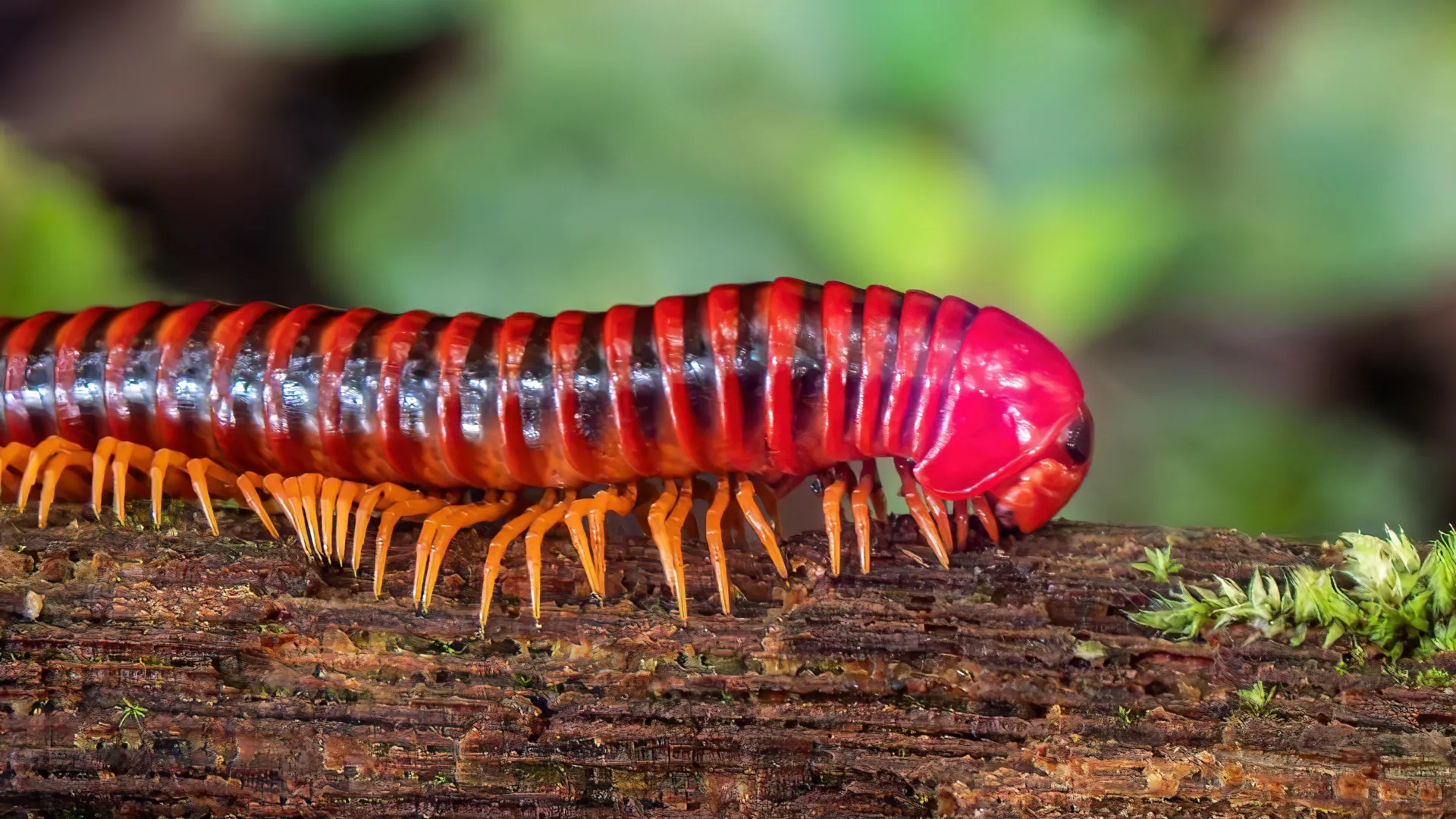
Scientists have discovered that millipedes were among the first animals to successfully live on land, arriving roughly 80 million years before vertebrates made the same transition.
The findings provide new insight into the evolution of life on Earth and suggest that complex terrestrial ecosystems began developing much earlier than previously believed.
Researchers say millipedes were already living on land around 460 million years ago, making them some of the earliest known pioneers of life beyond aquatic environments.
A Very Different Earth
When millipedes first emerged on land, Earth looked vastly different from the world we know today.
There were no forests, flowering plants or large land animals. Instead, most landscapes were barren, with only simple organisms such as mosses, algae and primitive plant-like life covering parts of the surface.
Despite these harsh conditions, millipedes adapted successfully. Scientists believe they survived by feeding on decaying organic material and helping recycle nutrients within some of the earliest soil systems.
Their activities may have played an important role in creating conditions that later supported more complex plants and animals.
Building the Largest Millipede Family Tree
To better understand millipede evolution, researchers created the most comprehensive evolutionary family tree of living millipede species ever assembled.
The team combined fossil evidence with modern genetic analysis to trace the ancestry of millipede groups across hundreds of millions of years.
By comparing DNA data from modern species with ancient fossil records, scientists were able to estimate when major millipede lineages first appeared and how they evolved over time.
This approach helped fill major gaps in the fossil record and provided a clearer picture of how these ancient arthropods spread and diversified.
Evidence Suggests an Even Older Origin
One of the study’s most significant findings is that some millipede groups may be older than the earliest fossils currently known.
Researchers suggest that millipedes could have originated even further back in Earth’s history, meaning the colonization of land may have started earlier than scientists previously thought.
If confirmed by future discoveries, this could change current understanding of how quickly terrestrial ecosystems developed after life began expanding beyond oceans and freshwater environments.
Chemical Defenses Helped Survival
The study also examined how millipedes adapted to changing environments over time.
Researchers found evidence that around 260 million years ago, certain millipede groups evolved powerful chemical defense systems to protect themselves from predators.
These natural compounds helped deter attackers and improved the animals’ chances of survival as ecosystems became more complex and competition increased.
Many modern millipede species still use chemical defenses today, releasing substances that make them unappealing or harmful to predators.
Unsung Architects of Early Ecosystems
Although often overlooked, millipedes played a crucial role in shaping Earth’s earliest land environments.
By breaking down dead organic matter and returning nutrients to the soil, they helped create healthier ecosystems capable of supporting increasingly diverse forms of life.
Scientists now view these ancient arthropods as important ecosystem engineers that contributed to the development of terrestrial habitats long before vertebrates appeared on land.
The research highlights how even small and seemingly simple creatures can have a profound impact on the history of life. Millions of years before dinosaurs, mammals or humans existed, millipedes were already helping transform barren landscapes into environments capable of sustaining complex ecosystems.
geg19j