




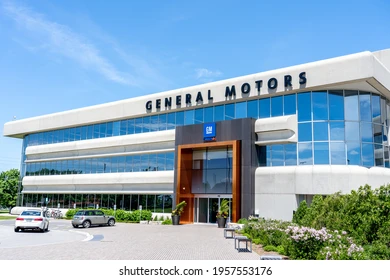
General Motors has laid off around 600 employees, representing more than 10% of its technology division workforce. Unlike typical cost-cutting measures, this move is part of a broader strategy to replace roles with highly skilled artificial intelligence (AI) specialists.
The decision highlights a growing trend among global companies prioritizing advanced technical expertise over traditional roles.
From Workforce Reduction to Talent Upgrade
Rather than simply reducing staff, GM is actively restructuring its workforce. The company is seeking professionals with deep expertise in building AI systems from the ground up, rather than those who only use AI tools in daily operations.
This shift reflects GM’s ambition to strengthen its internal capabilities in developing cutting-edge technologies.
A Strategy Years in the Making
This transformation is not sudden. GM has been working toward integrating AI into its core operations for the past 18 months. Earlier, in August 2024, the company laid off approximately 1,000 software employees as part of the same long-term strategy.
The goal is to position GM as a leader in next-generation automotive technology, including autonomous driving and smart vehicle systems.
Leadership Changes Driving the Shift
The restructuring gained momentum after Sterling Anderson was appointed Chief Product Officer in May 2025. Since then, several senior leaders in the software division have exited the company, including a head of AI who had served for only nine months.
GM is now actively recruiting new leadership and technical experts to fill these gaps, including talent from its subsidiary Cruise.
Why AI Skills Matter More Than Ever
The automotive industry is rapidly evolving, with AI playing a critical role in areas such as:
Autonomous driving systems
Predictive maintenance
Smart vehicle features
Manufacturing optimization
Companies like GM are increasingly investing in talent that can build these systems, not just operate them.
A Broader Industry Trend
GM’s move mirrors a wider shift across industries where companies are restructuring teams to align with AI-driven innovation. Businesses are prioritizing efficiency, automation, and advanced technical capabilities to remain competitive.
What This Means for the Future
For employees, this signals a growing demand for specialized AI skills. For companies, it underscores the importance of investing in innovation to stay ahead in a rapidly changing market.
As GM continues this transition, it is clear that the future of the automotive industry will be shaped not just by machines—but by the intelligence behind them.
MORE STORIES:
 OpenAI Introduces an Upgraded AI Model
 Google Expands Its AI Health Strategy Beyond Fitbit Users
 Google Staff Oppose Military Use of AI
 DeepSeek cuts prices on new AI model V4-Pro with 75% discount to attract developers
 From Screenwriters to Doctors: The New Jobs Created by AI
 Apple Unveils a New Approach to AI Integration
 OpenAI Launches $10B AI Deployment Venture
Thanks ffor finalpy writing about >General Mottors Repolaces 600
Employees wuth AI Experts < Liked it!