




Apple Inc. is celebrating 50 years of innovation in April 2026, marking a major milestone in its journey as a global technology leader. The company began in a garage in 1976 with a valuation of 1.2 billion dollars and has since grown to reach approximately 4 trillion dollars by the end of 2025.
Today, nearly one in three people worldwide owns an Apple device, highlighting its strong global presence. Apple has consistently focused on design, marketing, and user experience, which has helped it influence how people use technology in their daily lives.
Breakthrough Devices That Defined Apple
One of Apple’s most important products, the iPod, launched in 2001, transformed how people stored and listened to music. It replaced traditional MP3 players with a compact design and an intuitive click wheel interface. The introduction of iTunes also created a legal and organized way to download music, helping reshape the digital music industry.
In 2007, Steve Jobs introduced the iPhone, combining a phone, an iPod, and internet access into a single device. This innovation redefined mobile communication and set new industry standards. Today, more than 200 million iPhones are sold each year, showing its continued global demand.
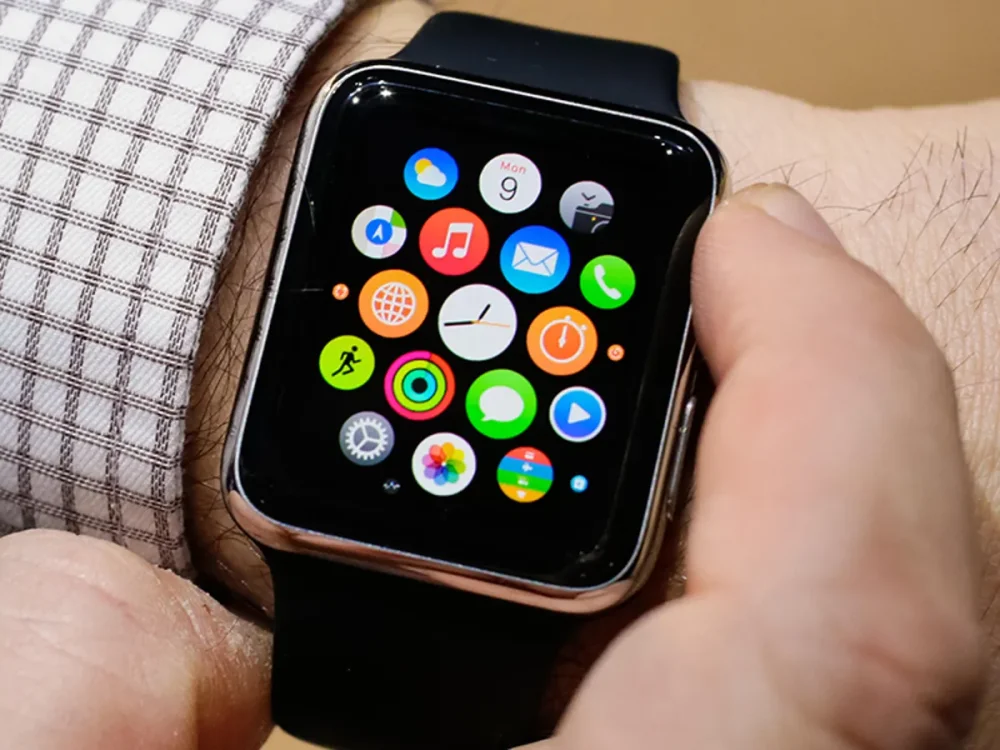
In 2015, under the leadership of Tim Cook, Apple launched the Apple Watch. This device expanded Apple’s reach into wearable technology and health monitoring. It includes features such as heart rate tracking, blood oxygen measurement, and fall detection. The Apple Watch has generated significant revenue, with estimates of around 15 billion dollars, making it a strong contributor to Apple’s business.
Products That Faced Challenges
Despite its success, Apple has also faced setbacks. In 1983, it released the Apple Lisa, one of the first computers to feature a graphical user interface and a mouse. However, its high price of around 10,000 dollars limited its market success.
Another example came in 2015 with the butterfly keyboard design. Apple aimed to create thinner and lighter laptops, but many users found the keyboard uncomfortable and unreliable. The company later discontinued this design and introduced improved versions.
More recently, Apple launched Vision Pro in 2024, a mixed reality headset priced at 3,500 dollars. Although it introduced advanced technology, experts noted limited adoption due to high cost and a lack of supporting applications. As a result, Apple reduced production shortly after launch.
Business Impact and Strategic Growth
Apple’s ability to create successful products while learning from failures has strengthened its long-term position. Its ecosystem approach encourages users to adopt multiple devices, increasing customer loyalty and revenue.
The company’s focus on innovation continues to drive growth in areas such as artificial intelligence, wearable technology, and digital services. However, competition from other global technology firms remains strong, especially in emerging markets.
Opportunities and Future Outlook
Looking ahead, Apple has opportunities to expand its influence through AI integration, health technology, and new digital platforms. At the same time, it must address challenges such as rising competition, pricing concerns, and the need for continuous innovation.
Its strong brand and global customer base provide a solid foundation for future growth. As technology evolves, Apple’s ability to adapt will determine its next phase of success.
Conclusion
Apple’s 50-year journey highlights how a company can shape entire industries through innovation and design. From the iPod and iPhone to the Apple Watch, its devices have transformed how people live, communicate, and interact with technology.
MORE STORIES:
 Apply for Cobus Drivers job at RwandAir Limited
 Rwanda invests 300 billion Rwf in towers: A solution to Internet issues
 OpenAI Enters the Cybersecurity AI Race
 Create mifotra account in 5 steps and start making money now
 UGHE Launches Rwanda’s First HD²SS System
 Pi Network Sets Its Sights on Global Blockchain Leadership with Open Network Launch
 Colombian President Criticizes U.S. After Losing Visa
 OpenAI’s Value Reaches $500 Billion
 AI Analysis Shows Rwanda’s Market Prices Rise by 5.1%
 Job Opportunity at King Faisal Hospital Rwanda
netspor canlı maç izle hd kalite galatasaray-göztepe maçı izle
canlı maç izle , taraftarium24 net spor canlı izle
canlı maç izle , taraftarium24 net spor canlı izle