



The world has become less peaceful for the 12th consecutive year, according to the 2026 Global Peace Index. The report found that overall peacefulness declined in 99 countries, while active conflicts worldwide have reached their highest level since World War II.
Despite these challenges, a small group of countries continues to stand out for their safety, stability and quality of life. The Global Peace Index ranks 163 countries using indicators such as crime rates, military spending, ongoing conflicts, political stability and public perceptions of safety.
The top-ranked nations share several characteristics, including strong institutions, low levels of violence, social trust and good relationships with neighboring countries.
Top 10 Safest Countries in 2026
According to the 2026 Global Peace Index, the world’s safest countries are:
- Iceland
- New Zealand
- Switzerland
- Slovenia
- Ireland
- Austria
- Portugal
- Singapore
- Finland
- Japan
Iceland Remains the World’s Safest Country

Iceland has held the top position since 2008 and remains the world’s safest country for the 19th consecutive year.
The country’s strong performance comes from low crime rates, limited militarization and high levels of social trust. Iceland also benefits from strong public services, renewable energy and a commitment to equality.
Residents say peacefulness is part of daily life. Communities are close-knit, and people enjoy easy access to nature, clean air and outdoor activities. Iceland’s remote location also helps shield it from many global tensions.
Visitors looking to experience Iceland’s calm atmosphere often enjoy geothermal pools, scenic landscapes and small community-focused towns beyond the country’s major tourist attractions.
New Zealand Combines Safety With Natural Beauty
New Zealand moved up to second place in the 2026 rankings and remains the safest country in the Asia-Pacific region.
Experts attribute much of its success to geographical isolation, low levels of conflict and a relaxed social culture. Residents describe a society where people generally know their neighbors and look out for one another.
Strict firearm regulations, strong institutions and a population of about five million contribute to a sense of security.
The country’s mountains, beaches and forests also support a lifestyle closely connected to nature, helping many residents maintain a healthy work-life balance.
Switzerland’s Culture of Trust Supports Peace
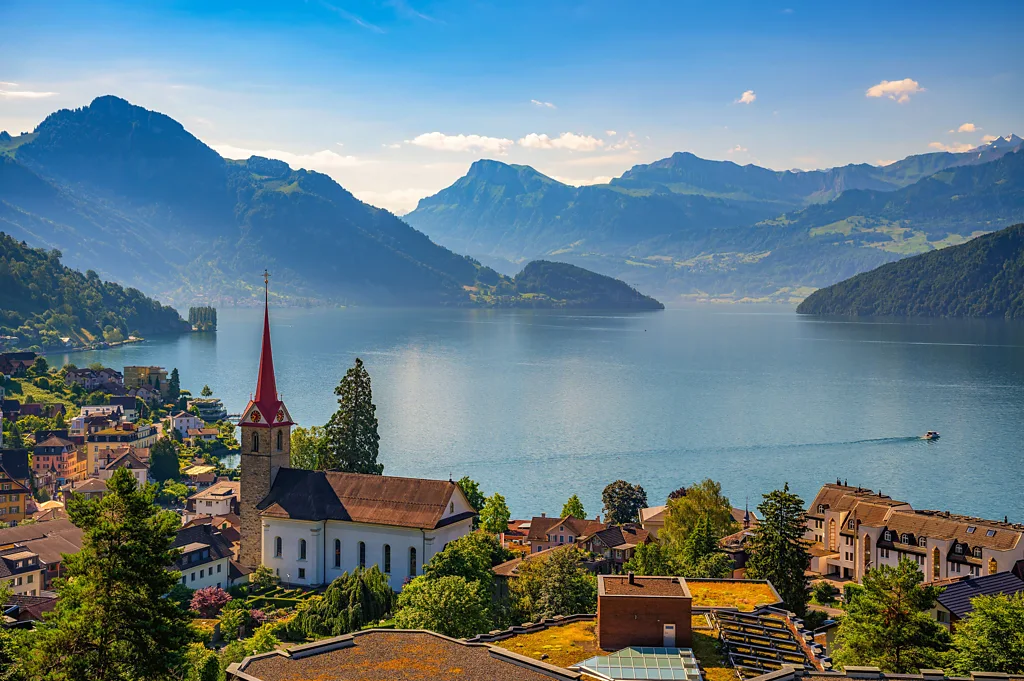
Switzerland climbed from fifth place in 2025 to third place in 2026.
The country is known for low crime rates, political stability and a long-standing policy of military neutrality. Residents often highlight the strong culture of trust that exists throughout Swiss society.
Many people feel comfortable leaving belongings unattended or relying on strangers to act responsibly. This trust extends into business, public services and everyday interactions.
Switzerland’s peaceful environment is also strengthened by its ability to accommodate diverse cultures and languages while maintaining social harmony.
Slovenia Reaches the Top Five for the First Time
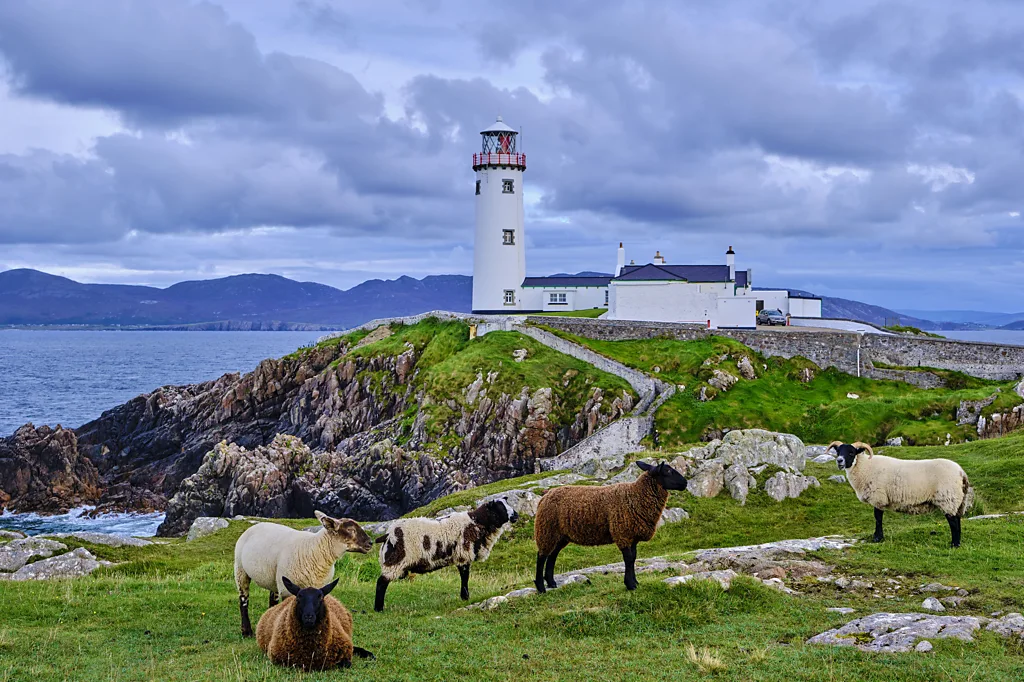
Slovenia entered the top five safest countries for the first time in the history of the Global Peace Index.
The country benefits from low military spending, high levels of personal security and strong community connections.
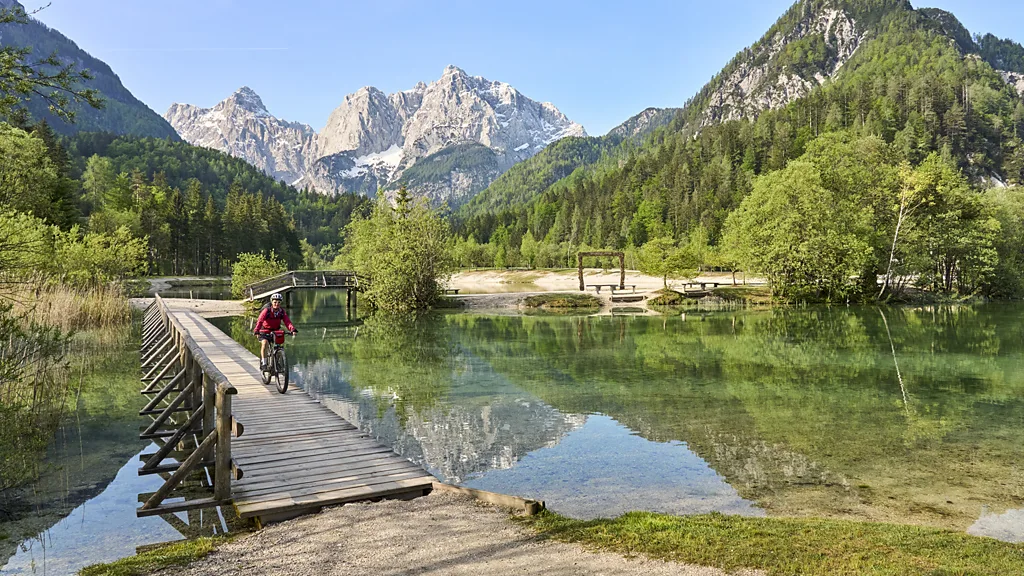
Residents value outdoor living, family relationships and a healthy work-life balance. Many spend weekends hiking, cycling or enjoying nature with friends and relatives.
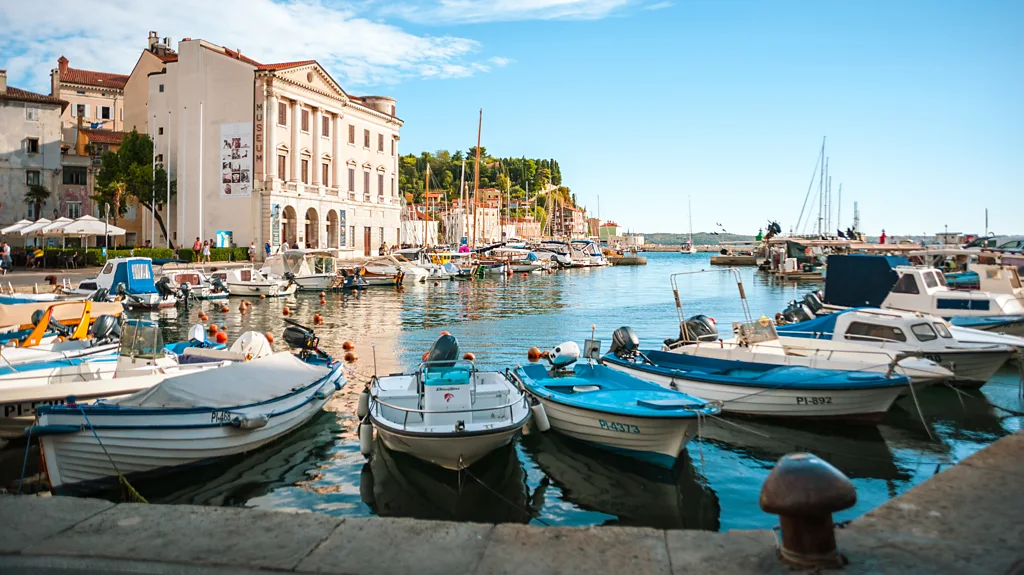
Slovenia’s stunning landscapes, welcoming communities and low crime rates continue to make it one of Europe’s most attractive destinations for both residents and visitors.
Ireland’s Hospitality Strengthens Social Stability
Ireland ranks fifth in the 2026 Global Peace Index due to its low levels of violence and limited involvement in international conflicts.
Many residents believe the country’s peaceful culture is rooted in its history and tradition of hospitality. Ireland’s policy of military neutrality has also contributed to its reputation as a stable and peaceful nation.
People often describe Ireland as a welcoming place where communities remain closely connected and visitors quickly feel at home.
Natural attractions, coastal scenery and cultural traditions continue to attract travelers seeking a slower and more peaceful lifestyle.
What Makes These Countries So Safe?
Although each country has unique strengths, several common factors contribute to their high rankings:
- Strong institutions and effective governance
- Low crime and violence levels
- High social trust
- Quality healthcare and education systems
- Stable political environments
- Good relationships with neighboring countries
- Strong community values
- Access to nature and high quality of life
These factors help create environments where residents feel secure, connected and optimistic about the future.

knh141
8cjqxh