


Northern Province Positioned for Global Geological Recognition
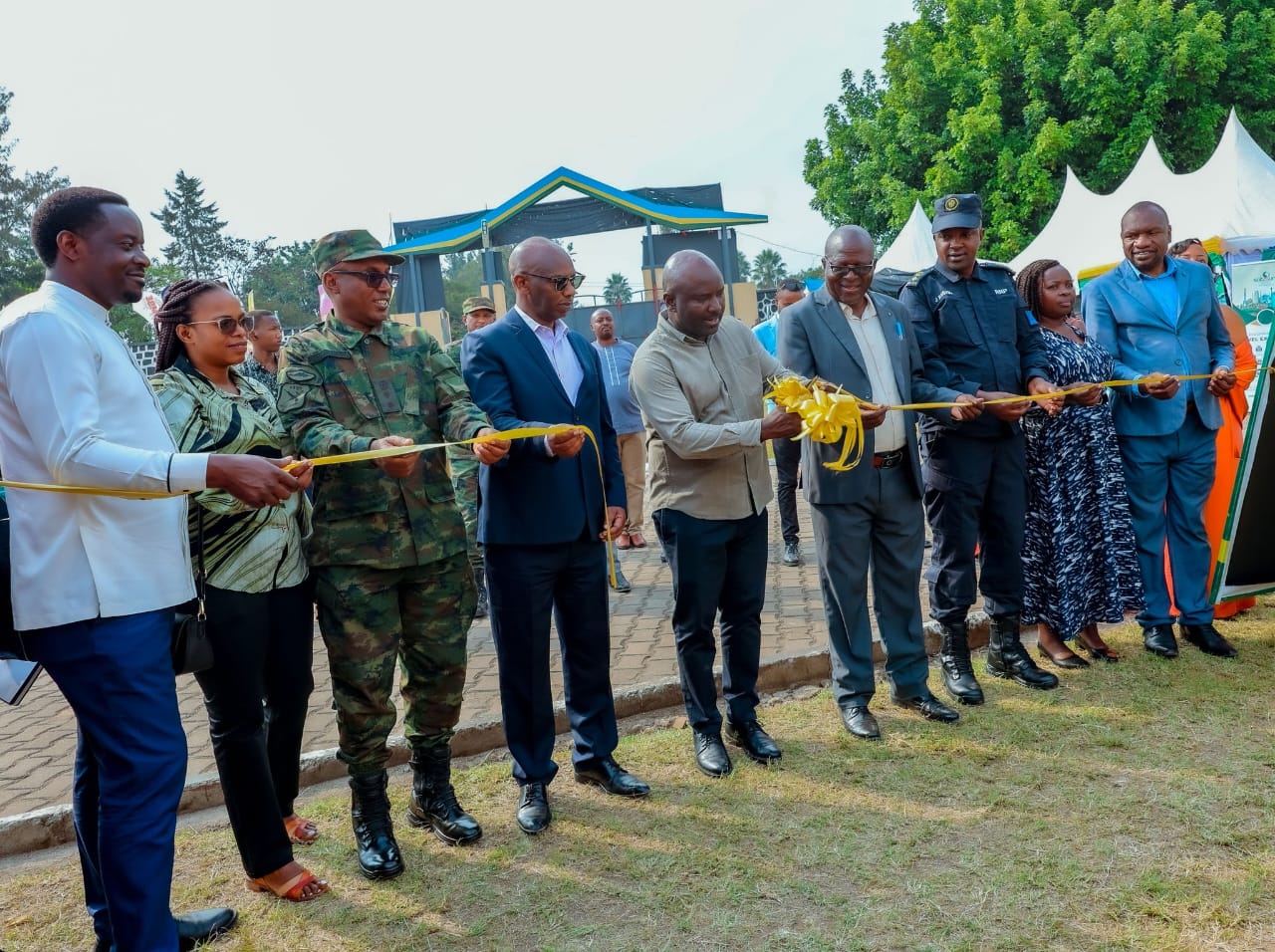
Rwanda has officially launched the process to nominate its Northern Province for inclusion in the UNESCO Global Geoparks Network, a significant step that could elevate the country’s natural heritage onto the global stage.
If approved, the designation would make Rwanda home to its first UNESCO Global Geopark, joining a prestigious network of internationally recognized sites that promote geological conservation, scientific research, education and sustainable tourism.
The initiative reflects Rwanda’s growing commitment to using its natural resources as drivers of sustainable development while strengthening environmental protection and community participation.
A Landscape Shaped by Millions of Years of Geological History
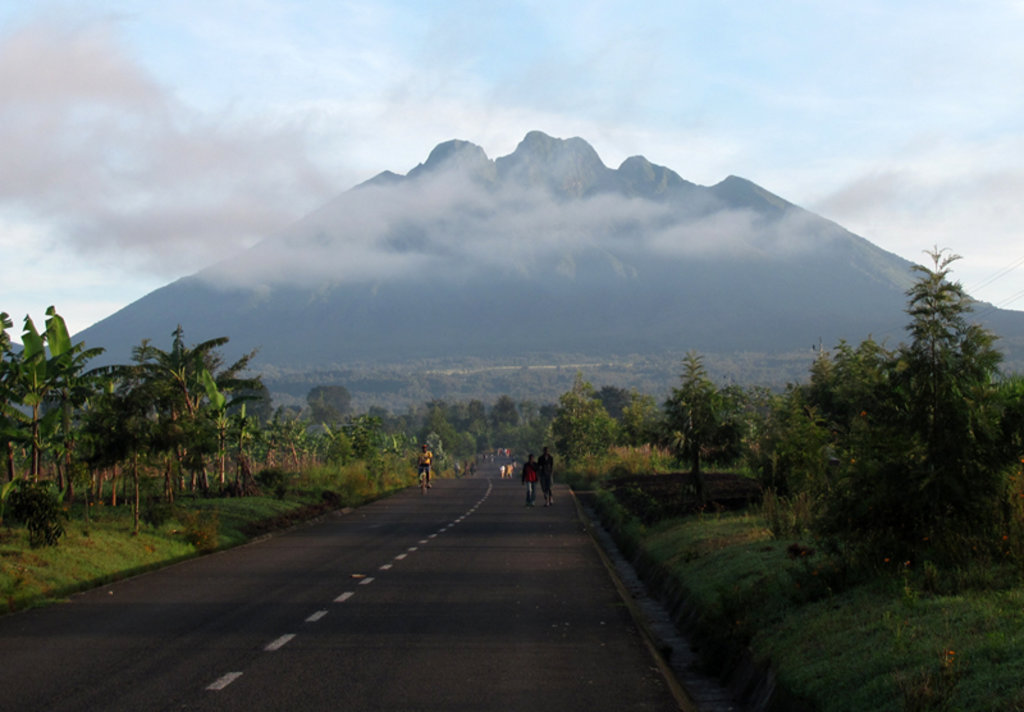
The proposed geopark encompasses some of Rwanda’s most remarkable natural landmarks, including the Virunga volcanic mountains, extensive lava fields, ancient cave systems, wetlands and the picturesque twin lakes of Burera and Ruhondo.
These landscapes form part of the East African Rift Valley, one of the world’s most important geological systems. The rift continues to shape the African continent through tectonic activity, volcanic processes and the formation of valleys and lakes.
The region offers scientists a unique opportunity to study Earth’s geological evolution while providing visitors with some of the most spectacular scenery in East Africa.
Scientific Research Strengthens Rwanda’s Case
The nomination is supported by extensive scientific assessments conducted throughout 2025, which confirmed the Northern Province’s exceptional geological, ecological and educational value.
Researchers identified several important geosites, including the Virunga volcanic chain, Musanze Cave, Rugezi Wetland and ancient rock formations that preserve evidence of geological processes spanning millions of years.
Officials say these findings provide a strong scientific foundation for the UNESCO nomination dossier, which Rwanda is expected to finalize and submit within the next six months.
Geotourism and Economic Opportunities
Beyond conservation, the proposed geopark is expected to create new economic opportunities through tourism, research and local enterprise development.
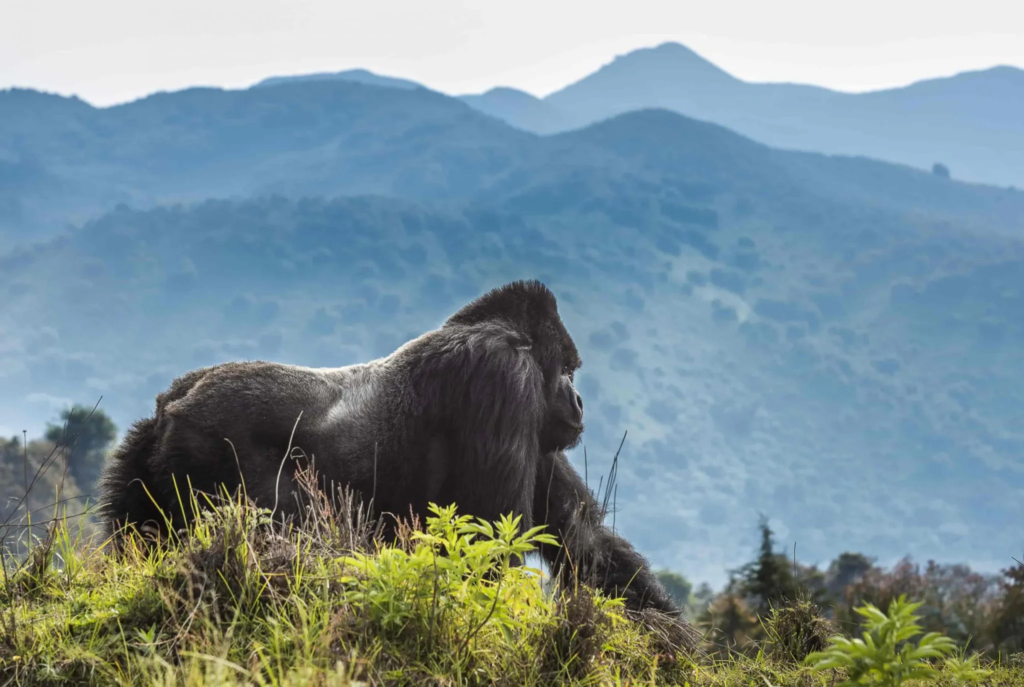
Authorities believe UNESCO recognition would attract more international visitors, scientists and investors interested in geology, biodiversity and cultural heritage.
The initiative could also generate employment opportunities in hospitality, transportation, guiding services, cultural tourism and environmental education throughout the Northern Province.
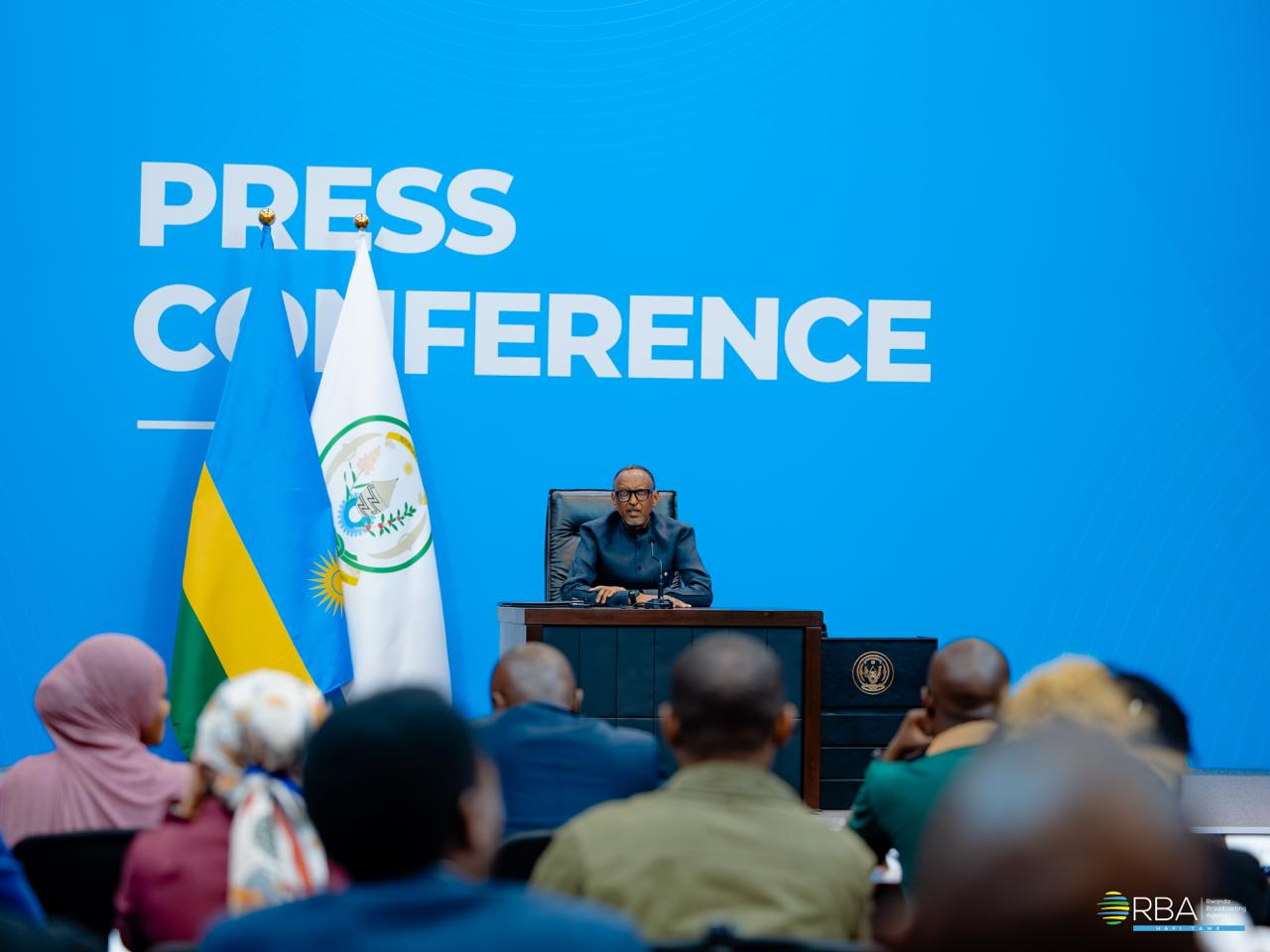
Governor Maurice Mugabowagahunde described the project as a transformative opportunity capable of improving livelihoods while preserving the region’s unique natural heritage.
He noted that the province’s rich culture, strong communities and natural beauty provide an excellent foundation for international recognition.
Local Communities Central to the Project
Community participation remains a key element of the geopark proposal.
Officials have emphasized that local residents will play an active role in managing, protecting and benefiting from the geopark. Traditional knowledge and local cultural practices will also be incorporated into conservation and tourism planning.
This approach aims to ensure that environmental protection and economic development advance together while creating lasting benefits for surrounding communities.
Preparing for UNESCO Standards
To meet UNESCO requirements, Rwanda is strengthening governance frameworks, improving site documentation and establishing clear boundaries for the proposed geopark.
Technical working groups have also been formed to coordinate scientific research, environmental management and community engagement throughout the nomination process.
Additional efforts will focus on expanding environmental education programmes, supporting research initiatives, improving tourism infrastructure and promoting sustainable management of natural resources.
Rwanda Expands Its Global Conservation Profile
If the application succeeds, Rwanda’s Northern Province will join a network of more than 220 UNESCO Global Geoparks located across more than 50 countries worldwide.
Africa already hosts several internationally recognized geoparks, including Morocco’s M’Goun Geopark, Morocco’s Jbel Bani Geopark and Tanzania’s Ngorongoro-Lengai Geopark.
8s42kg