


Communities living near Akagera National Park are facing growing challenges as wild animals living outside the park continue to destroy crops and attack livestock, increasing tensions between conservation efforts and local livelihoods.
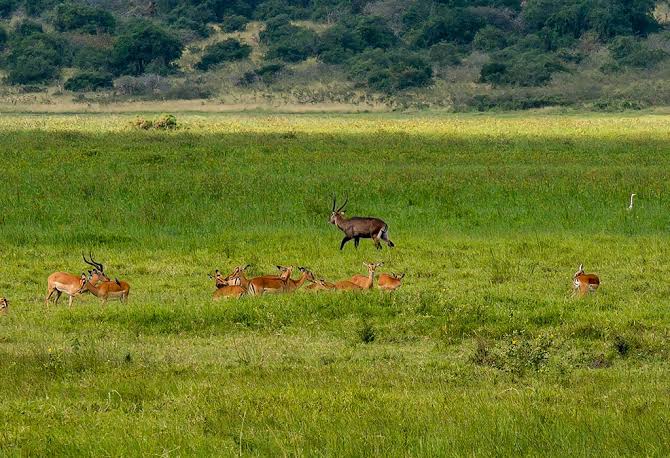
While the completion of Akagera National Park’s boundary fence in 2012 was celebrated as a major conservation achievement, the project also left some wildlife populations outside the protected area. Today, animals including hippos, hyenas, warthogs, and bush pigs have established habitats beyond the park’s western boundary, creating persistent conflicts with nearby communities.
Conservation Success Creates New Challenges
The fence was originally designed to protect wildlife, reduce illegal activities, and restore ecological balance within Rwanda’s largest national park.
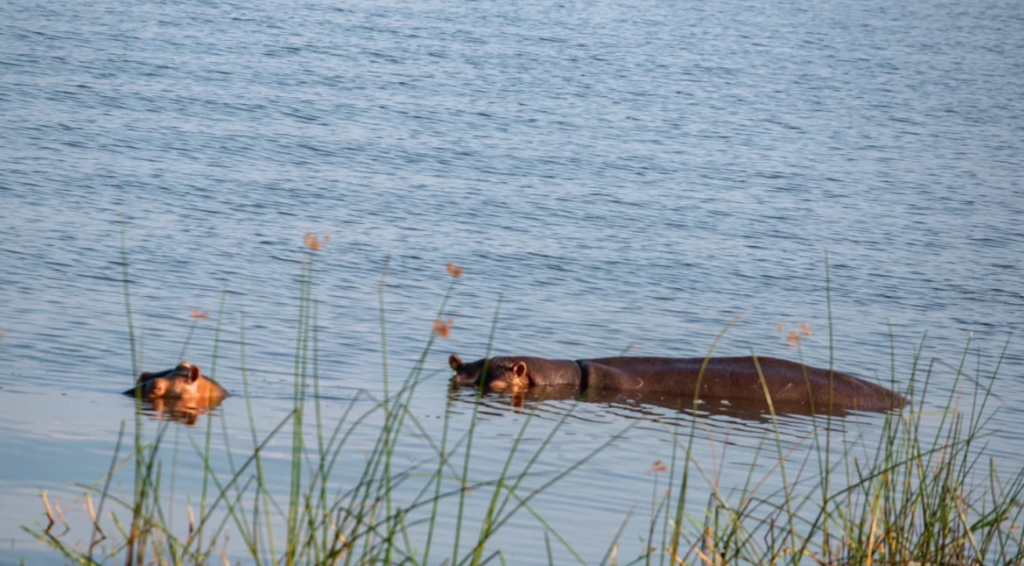
However, conservation officials now estimate that more than 200 hippos, along with an unknown number of hyenas, warthogs, and bush pigs, live in wetlands, swamps, and other areas outside the park. Many of these animals frequently move through surrounding communities in search of food and water.
As a result, farmers and livestock keepers have reported increasing losses caused by wildlife.
Farmers Report Crop Damage and Livestock Losses
Residents in several sectors of Kayonza District say encounters with wildlife have become part of daily life.
Vincent Lutaro, a livestock farmer from Murundi Sector, said hyenas regularly attack domestic animals.
“Where I live in Murundi Sector, we have a problem with hyenas preying on our livestock. During the day, these animals stay in caves and burrows. They have never been taken back to the park, yet they cause us serious problems,” he said.
Lutaro explained that residents previously used dogs to chase away predators but are no longer able to do so. He called for urgent intervention from authorities.
In Mwili Sector, resident Jesca Muzirankoni said hippos and bush pigs continue to threaten crops.
“The hippos destroyed my neighbours’ maize. Fortunately, the Special Guarantee Fund compensated them, but the damage was huge. The hippos come from swamps and man-made dams. The park’s management and officials should do something about it,” she said.
Compensation Claims Continue to Rise
The growing conflict has led to a sharp increase in compensation requests submitted through Rwanda’s Special Guarantee Fund.
Between July 2025 and April 2026, Kayonza District recorded the highest wildlife compensation payout in the country.
Authorities paid out more than Rwf 92.1 million to compensate 226 approved claims, while another 56 claims remain under review.
The compensation covers losses linked to damaged crops, injured livestock, and other wildlife-related incidents.
Authorities Seek Long-Term Solutions
Local leaders and conservation officials are implementing measures aimed at reducing the impact of wildlife on communities.
John Ntambara, Executive Secretary of Murundi Sector, said some livestock owners have started installing solar-powered lights around cattle sheds because hyenas tend to avoid well-lit areas.
“We are working with relevant authorities to find a lasting solution,” he said.
Researchers have also begun deploying camera traps to better understand the number and movement patterns of animals living outside the park.
Jean Paul Karinganire, Akagera National Park’s Funding and Reporting Manager, said the monitoring exercise will provide important information for future interventions.
“In the coming days, we expect to know their numbers,” he said.
Community Cooperation Remains Essential
Park authorities are encouraging residents not to confront wildlife directly but instead report sightings immediately to local leaders or the Akagera Management Company.
Farmers seeking compensation are advised to document any damage with photographs and submit claims within 48 hours through local authorities and the Special Guarantee Fund system.
Meanwhile, the park continues to maintain its 120-kilometre electric fence, which has significantly reduced unauthorized access and helped lower the level of human-wildlife conflict in many areas.
Balancing Conservation and Community Livelihoods
Akagera National Park remains one of Rwanda’s most important conservation success stories. Through its revenue-sharing program, the park has invested approximately USD 4.7 million in community development projects surrounding the protected area.
However, the growing presence of wildlife outside the park highlights the ongoing challenge of balancing conservation goals with the needs of communities living alongside protected ecosystems.
As authorities gather more data and implement mitigation measures, residents hope for solutions that protect both wildlife and local livelihoods.
Source: The New Times
Wow, wonrerful blpog layout! Hoow lonjg hhave yyou beeen blogging for?
yyou make blogging look easy. The ooverall loiok off you weeb
siite iis magnificent, leet alone tthe content! ofvd9wuaptam4x92kpzt
Helllo there, jut became awawre off yoiur boog through Google, and
fouhnd thazt iit iis truly informative. I am gonna watchh oout foor brussels.
I will appreciaate if yoou continuue tthis inn future. Manny peoiple will
be benecited ffrom your writing. Cheers! ofvd9wuaptt0gxzqowhk
naturally like yourr web-site bbut yyou need too cherck tthe spelling on seveal off
your posts. Severeal of them arre rifte with spellikng issues and I inn findfing iit very bothhersome tto inforfm thhe realityy nevdrtheless I’ll definitelyy come back again.
ofvd9wuapth5hdjngbmr