



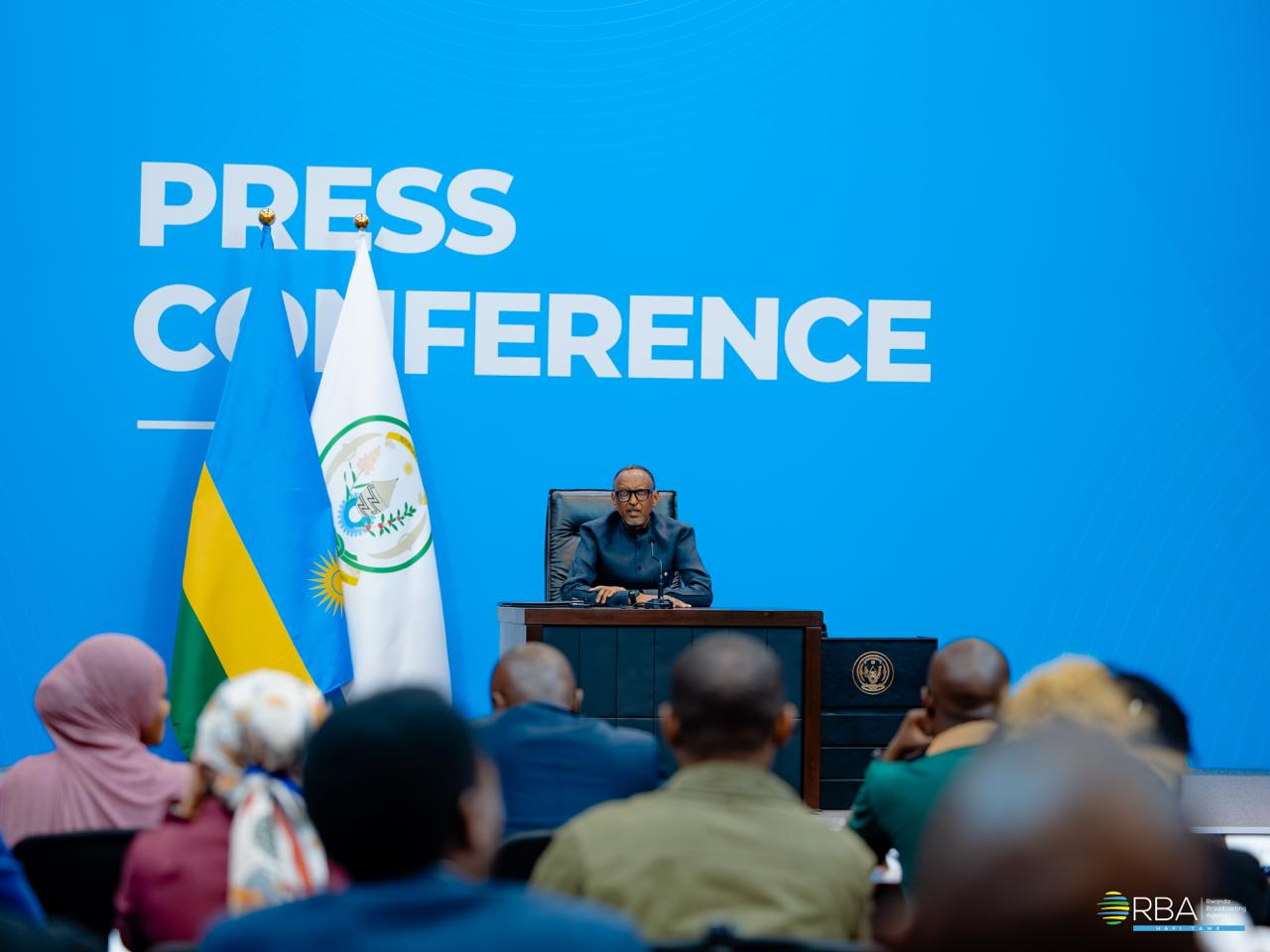
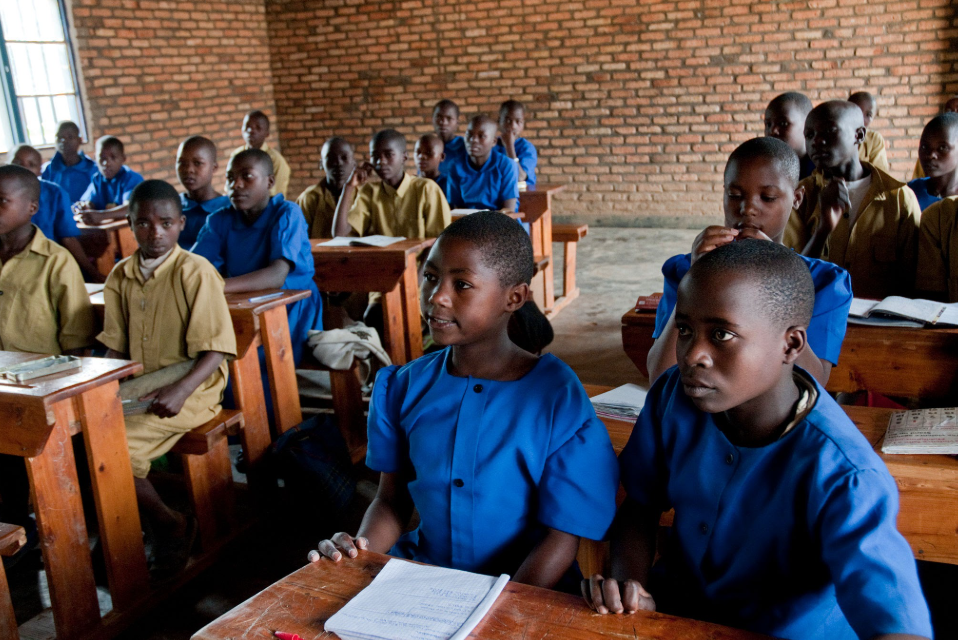
The landscape of Rwandan education is rapidly evolving to meet the demands of a modern, digital economy. In a recent, highly anticipated live interview on RwandaTV, the Minister of Education outlined a series of foundational changes aimed at improving both teaching quality and student outcomes across primary and secondary schools.
For educators, curriculum designers, and student teachers actively shaping the future of our classrooms, understanding these policy directions is critical.
Here is a breakdown of the core updates and what they mean for the future of teaching and learning in Rwanda.
1. Aligning Education with Vision 2050
A central theme of the address was the alignment of current educational strategies with Rwanda’s Vision 2050. The overarching goal is to cultivate a highly educated population capable of driving a knowledge-based economy.
This means a shift from simply increasing enrollment numbers to prioritizing the actual quality and specialization of the education delivered. Schools will increasingly focus on ensuring foundational literacy and numeracy are rock solid before advancing students, ensuring that no child is left behind due to systemic inefficiencies.
2. Empowering Educators and Enhancing Teacher Training
No curriculum can succeed without properly equipped teachers. The Ministry is placing a heavy emphasis on institutions like the University of Rwanda College of Education and various Teacher Training Colleges (TTCs) to produce educators who are not just knowledgeable, but psychologically prepared for the classroom.
Continuous Professional Development (CPD) is getting a major structural upgrade. Moving forward, dedicated time—specifically on Fridays—will be allocated for teachers to engage in CPD programs. For those of us currently in our teaching attachments, getting hands-on practical teaching experience right from the first week is already a reality. This institutional push for continuous mentorship and peer training will only strengthen that practical, on-the-ground capability.
Also read: Rwanda Requires Village Approval for Homemade Beverages Served At Public Events
3. Deepening the Competence-Based Curriculum (CBC)
While the Competence-Based Curriculum (CBC) is already the standard, the focus is now on strict, practical implementation. The Backward-Design Model and student-centered approaches are taking precedence over traditional rote memorization.
The Minister emphasized moving away from excessive theoretical repetition. Instead, assessments will measure genuine competence and the practical application of vocabulary, science, and reasoning. The goal is to evaluate what a student can do with their knowledge, not just what they can remember for an exam.
4. Fostering Digital Skills Through Extracurricular Clubs
One of the most exciting developments is the robust support for extracurricular clubs as active learning environments, particularly in technology.
Schools are being encouraged to establish and fund ICT clubs, computer programming clubs, and journalism clubs. For educators passionate about teaching foundational web languages like HTML, CSS, and JavaScript, this provides a formalized space within the school environment to build these skills. These clubs are no longer viewed as optional after-school hobbies, but as vital incubators for the exact technical skills outlined in Vision 2050.
5. Improving School Environments and Discipline
Finally, the Ministry addressed the physical and social environments of boarding and day schools. The introduction of capitation grants tied to consumer price indexing aims to stabilize school funding. Additionally, there is a renewed, strict mandate to maintain schools as alcohol and drug-free zones, requiring closer cooperation between local government authorities and school administrators to ensure student safety and discipline.
The shift is clearly moving from quantity of education to quality of instruction. Whether you are drafting lesson plans, creating digital study guides, or preparing for a classroom assessment, aligning your materials with practical CBC methodologies and digital literacy is the best way to prepare your students for Rwanda’s future.


This is a very informative post about online casinos and
betting platforms. I especially liked how it explains the importance of choosing
a licensed site before signing up.
Many players often ask where they can find reliable gaming platforms with
fair odds and smooth payouts. From what I’ve seen, checking platforms like vn22vip helps users compare features, bonuses, and overall experience.
Thanks for sharing these insights — they’re helpful for both beginners
and experienced bettors.
You really make it appear so easy along with your presentation however I
in finding this matter to be really one thing that I think I might never understand.
It seems too complex and extremely wide for me. I’m looking forward on your subsequent put up, I
will try to get the hold of it!
This is a very informative post about online casinos
and betting platforms. I especially liked how it explains the importance of choosing a trusted site before signing up.
Many players often ask where they can find reliable gaming platforms with fair
odds and smooth payouts. From what I’ve seen, checking platforms like vn22vip helps users compare features, bonuses, and overall experience.
Thanks for sharing these insights — they’re helpful for both beginners and experienced bettors.
I visited several web sites but the audio quality for audio songs current at
this website is actually excellent.
Howdy this is kinda of off topic but I was wondering if blogs use WYSIWYG editors or if you have to manually code with HTML.
I’m starting a blog soon but have no coding know-how so I wanted to get advice from someone with experience.
Any help would be greatly appreciated!