




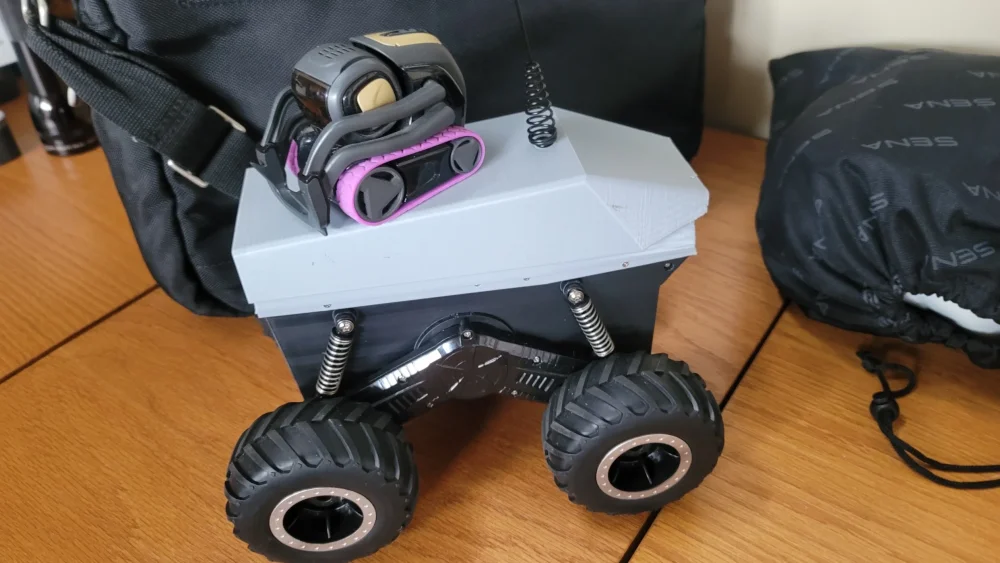
The United States has introduced new regulations restricting the import of certain artificial intelligence-powered robotic devices, expanding the scope far beyond humanoid robots to include a wide range of smart household and commercial machines.
The policy has attracted attention because it affects everyday products such as robotic vacuum cleaners, autonomous lawn mowers, delivery robots, and warehouse automation systems. Officials say the move is intended to strengthen national security while encouraging domestic manufacturing of advanced robotics.
New Rules Cover More Than Humanoid Robots
Many people initially believed the new restrictions targeted only humanoid robots. However, the regulation applies to any newly imported autonomous device that meets several technical requirements.
Under the new rules, affected devices include robots that:
- Weigh more than two kilograms.
- Move autonomously on the ground.
- Use sensors to detect and navigate their surroundings.
- Connect to wireless internet with speeds above 200 kbps.
- Operate using computer software and artificial intelligence technologies.
This broad definition means many consumer and industrial robots now fall under the restrictions.
Household and Commercial Robots Affected
The regulation impacts several categories of AI-powered machines commonly used in homes and businesses, including:
- Robotic vacuum cleaners.
- Autonomous lawn mowing robots.
- Delivery robots.
- Warehouse logistics robots.
- Other autonomous ground-based service robots.
The policy could reshape supply chains for manufacturers that rely heavily on imported robotic technologies.
National Security Drives the Decision
US authorities argue that foreign-made autonomous robots could pose future cybersecurity and national security risks because of their internet connectivity, sensors, and data collection capabilities.
Government officials believe limiting imports of these technologies can reduce potential vulnerabilities while strengthening America’s control over critical digital infrastructure.
At the same time, policymakers have presented the regulation as an opportunity to encourage companies to manufacture more robotics products within the United States.
Domestic Production Faces Challenges
Despite the push for local manufacturing, most robotic devices currently sold in the US are produced overseas.
Even American robotics manufacturers may face additional regulatory requirements. Companies assembling robots in the United States must obtain special authorization if 65% or more of the components used in production originate outside the country.
This requirement could affect supply chains across the robotics industry.
Existing Devices Not Impacted
Consumers who already own robotic household devices will not be affected by the new regulation.
Retailers are also allowed to continue selling products already available in their inventories. The restrictions primarily apply to newly imported devices entering the US market.
Cybersecurity Remains a Key Concern
The announcement follows growing concerns about cybersecurity in connected consumer devices.
Reports have previously highlighted incidents in which hackers gained unauthorized access to approximately 7,000 robotic vacuum cleaners, raising questions about the security of internet-connected home technologies.
However, according to available information, the US government does not currently conduct mandatory cybersecurity testing of these robotic devices before granting manufacturing authorization.
Industry Outlook
The new regulation signals a broader shift in US technology policy as governments increasingly examine the security implications of connected AI devices.
While the rules may encourage domestic robotics manufacturing and reduce dependence on foreign suppliers, they could also increase production costs and reshape global supply chains.
As artificial intelligence becomes more deeply integrated into consumer electronics and industrial automation, policymakers are expected to introduce additional regulations balancing innovation, cybersecurity, and economic competitiveness.
MORE STORIES:
 Nvidia Launches New AI-Powered RTX Spark Chip
 SuperNori AI Brings Smarter Home Management to Everyday Family Life
 OpenAI Introduces an Upgraded AI Model
 OpenAI Launches ChatGPT Work to Compete with Anthropic’s Claude Cowork
 Rwanda Approves National AI Agency to Drive Artificial Intelligence Growth
 OpenAI Upgrades Codex for Business and Office Tasks
 OpenAI Launches ChatGPT Work to Challenge Anthropic’s Claude Cowork
 SpaceX Prepares Historic Public Market Debut
 Google Expands Water Sustainability Commitments Amid AI Growth
 Florida Takes Legal Action Against OpenAI