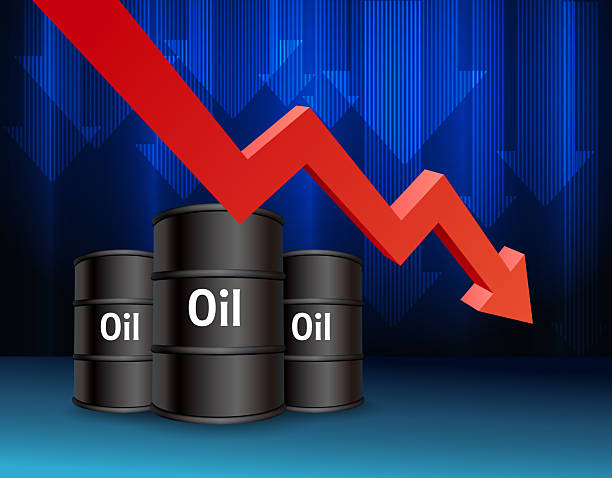


Global crude oil prices declined on July 1, 2026, after renewed optimism emerged from diplomatic talks between the United States and Iran. Market confidence increased as investors responded to signs of progress in discussions that could improve stability in global energy supplies.
According to market data, the price of a barrel of crude oil fell by approximately 95 cents, bringing the benchmark price to around 72 US dollars per barrel.
Diplomatic Progress Supports Market Sentiment
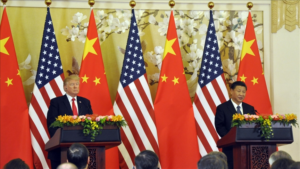
The latest negotiations took place in Doha, Qatar, where representatives from the United States and Iran continued discussions on key regional and energy-related issues.
US President Donald Trump described the talks as productive and indicated that both countries were making progress toward better mutual understanding. Positive diplomatic signals often influence commodity markets because they can reduce concerns about supply disruptions.
Strait of Hormuz Remains a Key Focus
A central issue in the discussions involves the movement of oil through the Strait of Hormuz, one of the world’s most important energy shipping routes.
A significant share of global crude oil exports passes through this narrow waterway. Any improvement in regional security or cooperation could help maintain stable oil shipments, easing concerns among global energy markets.
OPEC+ Production Decisions Could Influence Prices
Market analysts also noted that members of the OPEC+ alliance may decide to increase oil production in the coming months. Higher output would expand global supply and could place additional downward pressure on crude oil prices.
Production decisions by OPEC+ frequently influence international energy markets because the group accounts for a substantial share of global oil production.
Market Outlook
Analysts expect oil prices to remain relatively stable in the near term, with forecasts suggesting that crude could trade between 72 and 75 US dollars per barrel.
However, uncertainty remains. Geopolitical tensions across the Middle East continue to pose risks to global energy markets. Any escalation in regional conflicts or disruptions to oil transportation could quickly reverse the recent decline in prices.
For businesses, consumers, and governments, lower oil prices may reduce transportation and production costs if the trend continues. At the same time, energy markets remain highly sensitive to geopolitical developments and policy decisions.