



Negotiations between Oman and Iran over shipping arrangements in the Strait of Hormuz have reached an advanced stage, according to Qatar, as the United States and Iran continue trading demands over compensation linked to the ongoing conflict.
Qatar’s Foreign Ministry spokesman Majed al-Ansari said on Tuesday, 11 August 2026, that talks on the future of shipping through the strategic waterway had made significant progress. Oman has been mediating efforts aimed at resolving disputes over navigation in the strait.
The diplomatic efforts come as US President Donald Trump demands compensation from Iran after Tehran said the reopening of the Strait of Hormuz should be linked to war reparations and other conditions.
Trump told reporters that Washington would seek payment from Iran for what he described as decades of damage linked to Tehran. His comments followed Iranian demands that included compensation for wartime damage and the lifting of US sanctions.
OMAN AND IRAN DISCUSS SHIPPING ARRANGEMENTS
Oman and Iran have been negotiating arrangements intended to restore safer and more predictable commercial navigation through the Strait of Hormuz.
Iranian Foreign Ministry spokesman Esmaeil Baghaei said earlier that discussions were progressing constructively and that the two sides had reached agreement on a map for shipping routes, although technical matters remained unresolved.
The negotiations have also addressed maritime services, environmental protection, safe navigation and measures against crime in the waterway.
Qatar’s assessment that the negotiations have reached an advanced stage adds to indications that regional governments are seeking a diplomatic arrangement to reduce disruption in one of the world’s most important maritime routes.
TRUMP RESPONDS TO IRAN’S REPARATIONS DEMAND
Iran has insisted that broader reopening of the Strait of Hormuz depends on conditions being met by Washington.
These have included compensation for damage caused during the conflict, an end to sanctions and changes to US military activity affecting Iran. Tehran has also criticised Washington’s naval blockade of Iranian ports.
Trump responded by saying the United States should also seek compensation from Iran for damage he attributes to Tehran over several decades.
The US president also claimed that Washington now controls the Strait of Hormuz and that the waterway has been cleared of mines. However, available shipping data cited by Al Jazeera showed that commercial traffic remained significantly below normal levels.
US BLOCKADE REMAINS A MAJOR DISPUTE
The United States reinstated a blockade of Iranian ports in July.
US Central Command has said American forces redirected dozens of commercial vessels under the blockade. Iran regards the measure as an act of aggression and has linked the issue to negotiations over navigation through Hormuz.
The dispute illustrates the difference between physical access to the waterway and a complete return to normal commercial shipping.
Although vessels are passing through parts of the strait, shipping companies continue to face security risks, restrictions and uncertainty.
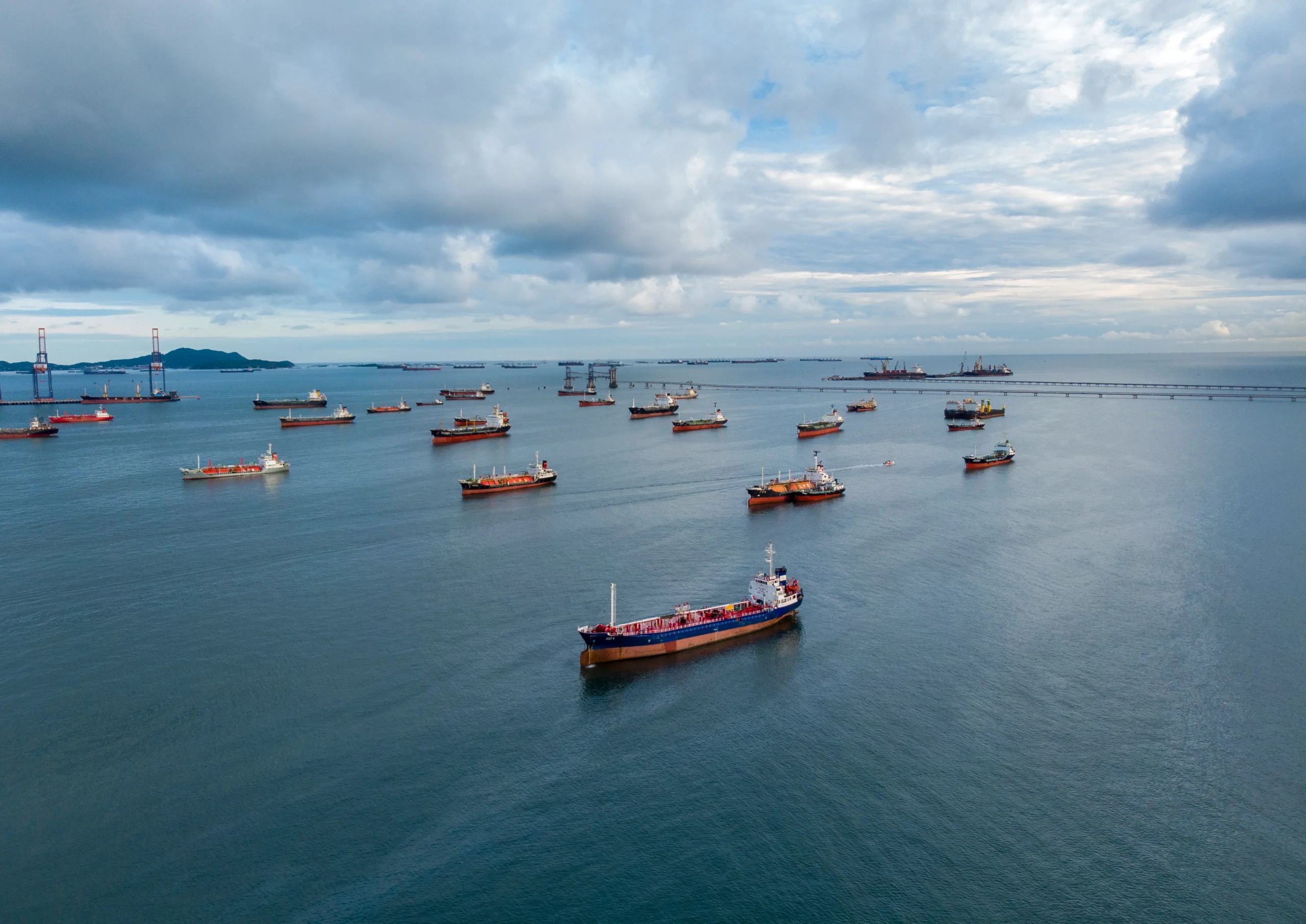
The Strait of Hormuz connects the Gulf with the Gulf of Oman and international sea routes. Before the current conflict, roughly one-fifth of global oil and liquefied natural gas supplies passed through the waterway, making disruption there important for international energy markets.
SHIPPING TRAFFIC REMAINS DISRUPTED
Claims that the strait is fully open contrast with recent vessel-tracking information.
MarineTraffic data cited by Al Jazeera showed crossings declining from 15 vessels on Friday to 11 on Saturday and six on Sunday.
Other shipping and energy data have similarly indicated that traffic remains considerably below earlier levels despite continuing diplomatic negotiations.
The disruption has affected energy markets because uncertainty over Hormuz can influence oil supply expectations, shipping costs and insurance premiums.
Oil prices remained sensitive to developments in the negotiations on Tuesday as traders weighed possible diplomatic progress against continuing risks to regional shipping.
THREE KILLED IN BAB AL-MANDEB SHIP ATTACK
Maritime tensions also intensified in the Red Sea on Tuesday after three crew members were killed in an attack on a commercial ship in the Bab al-Mandeb Strait.
Yemeni government sources attributed the attack to the Houthi movement. The Houthis had not immediately claimed responsibility when the incident was first reported.
Reuters reported that two of those killed were Pakistani nationals and one was Indonesian. The vessel had been travelling from Salalah in Oman through Djibouti when it was attacked.
The incident adds pressure to international shipping because the Bab al-Mandeb and the Strait of Hormuz are both critical routes for vessels moving between the Gulf, Red Sea and wider international markets.
DIPLOMATIC TALKS CONTINUE
The latest developments leave diplomacy centred on Oman’s negotiations with Iran while the United States maintains its own pressure on Tehran.
Iran and Oman have made progress on technical arrangements for shipping routes, but no comprehensive agreement restoring normal navigation through the Strait of Hormuz had been announced by Tuesday afternoon.
Qatar has expressed optimism over the direction of the negotiations, while disputes involving sanctions, compensation, military activity and control of maritime traffic remain unresolved.
MORE STORIES:
 DRC Army Communications Breached by M23 Fighters
 Zelensky Ukraine Russia US talks seen as step toward ending war
 President Kagame Arrives in Togo for African Air Transport Convention and Expo
 US and Russian Envoys Hold Talks about Ukraine peace plan
 Burundian Journalist Receives Four-Year Prison Sentence
 UBS Banked Ghislaine Maxwell after Epstein’s arrest, documents show
 Ukraine, France and UK Sign Declaration on Multinational Forces
 Socialist Party support in Venezuela weakens after Maduro’s capture
 Iran State TV Hack: Hackers broadcast exiled crown prince Amid protests
 Trump Seeks New Ties With Venezuela After Madulo capturing