




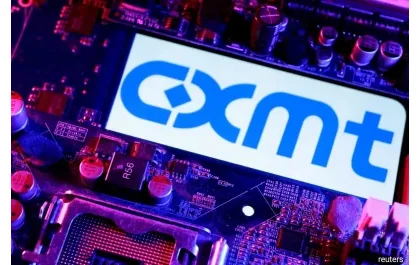
Apple is reportedly testing memory chips made by Chinese semiconductor company CXMT as it looks for ways to strengthen its supply chain amid growing demand for advanced technology driven by artificial intelligence.
The testing could potentially allow Apple to use CXMT components in products such as the iPhone and MacBook, although discussions remain at an early stage and there is no indication that Apple has made a final decision to adopt the chips across its product range.
Apple explores CXMT partnership
Apple has held preliminary discussions with CXMT, one of China’s largest memory-chip manufacturers, to assess whether its products can meet the company’s technical and quality requirements.
The discussions reportedly focus mainly on the possibility of using CXMT memory chips in Apple devices sold within China.
If the plan moves forward, it could give Apple another source of memory components at a time when demand for semiconductors continues to increase.
The rapid expansion of artificial intelligence has placed additional pressure on the global semiconductor industry. AI systems require large quantities of advanced computing and memory components, creating competition for production capacity across the technology sector.
Other computer makers already use CXMT chips
Apple would not be the first major technology company to consider CXMT as a supplier.
Computer manufacturers including HP and Acer have already started using CXMT memory components in some products sold outside the United States.
These companies have turned to alternative suppliers as manufacturers across the technology industry try to manage shortages and reduce pressure on existing semiconductor supply chains.
For Apple, adding another supplier could provide greater flexibility, particularly for products intended for the Chinese market.
Why memory chips matter
Memory chips play a critical role in electronic devices because they store data and allow processors to access information quickly.
Smartphones and laptops rely on different types of memory to run applications, store information and support demanding computing tasks.
As devices become more powerful and incorporate more AI features, manufacturers need increasingly capable memory components.
That trend has increased competition among technology companies for semiconductor supplies and manufacturing capacity.
CXMT expands its production ambitions
CXMT has been expanding its position in China’s semiconductor industry as Beijing continues to encourage domestic production of advanced technology components.
Reuters previously reported that CXMT was considering building a second memory-chip manufacturing facility in Beijing to increase its production capacity.
Greater production capacity could help the company supply more customers in China and potentially strengthen its position in the global memory-chip market.
However, expanding semiconductor production remains technically challenging and requires significant investment, advanced equipment and access to specialized technology.
Potential benefits and risks for Apple
Using CXMT chips could give Apple an additional supply option and potentially reduce its dependence on a smaller group of established memory-chip manufacturers.
It could also help Apple respond more effectively to demand in China, one of its most important international markets.
However, the move could also create challenges.
Apple would need to ensure that any components meet its strict standards for reliability, performance and security. Geopolitical tensions between the United States and China could also complicate semiconductor supply chains and technology partnerships.
For now, Apple’s reported testing of CXMT memory chips represents an evaluation rather than a confirmed supplier agreement.
What could happen next?
If CXMT’s components pass Apple’s technical and quality assessments, the company could potentially become part of Apple’s supply chain for selected products, particularly those designed for the Chinese market.
Such a move would also demonstrate how global technology companies continue to adjust their supply chains as semiconductor demand grows and geopolitical competition reshapes the industry.
The development will be closely watched because Apple’s supplier decisions can have significant effects across the global semiconductor market.
MORE STORIES:
 Microsoft Strengthens Its Position in China’s AI Market
 Apple Unveils a New Approach to AI Integration
 OpenAI Upgrades Codex for Business and Office Tasks
 SpaceX Prepares Historic Public Market Debut
 Google Staff Oppose Military Use of AI
 OpenAI Launches $10B AI Deployment Venture
 Google Expands Water Sustainability Commitments Amid AI Growth
 SuperNori AI Brings Smarter Home Management to Everyday Family Life
 ChatGPT Faces Growing Competition in the Global AI Market
 OpenAI Launches ChatGPT Work to Compete with Anthropic’s Claude Cowork