




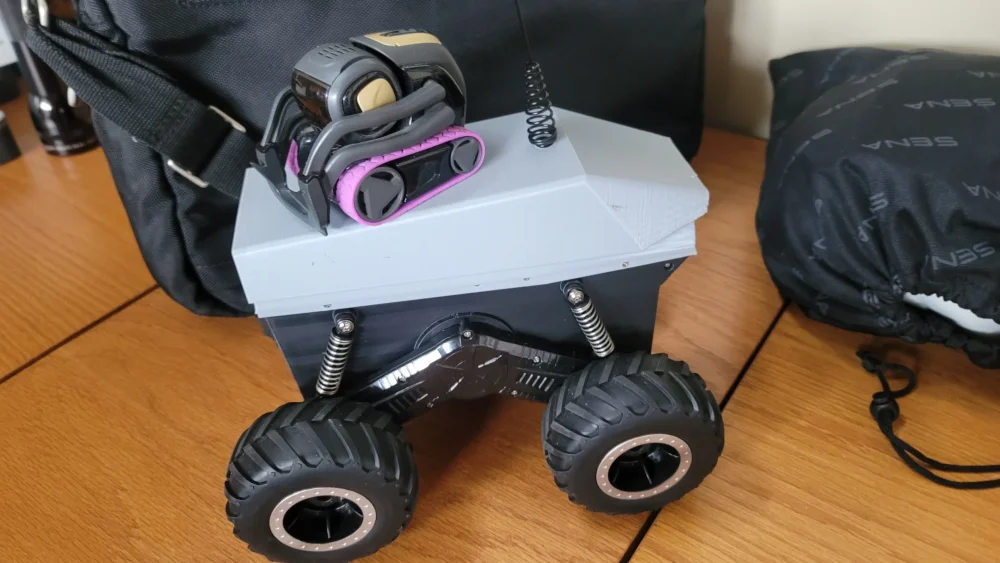
The United States has introduced new restrictions on the import of certain artificial intelligence powered robotic devices, expanding government oversight beyond humanoid robots to include a wide range of autonomous machines commonly used in homes and businesses.
The new policy reflects growing concerns about national security, cybersecurity and the increasing role of connected AI devices in everyday life.
Which Devices Are Affected?
The regulation applies to newly imported autonomous devices that meet several technical criteria.
According to the announced requirements, the restrictions cover devices that:
- Operate using computer software and artificial intelligence.
- Move autonomously on the ground.
- Weigh more than two kilograms.
- Use sensors to detect and navigate their surroundings.
- Connect through wireless internet with speeds exceeding 200 kbps.
These conditions mean the policy extends well beyond humanoid robots and could affect several categories of consumer and commercial technology.
Household and Commercial Robots Included
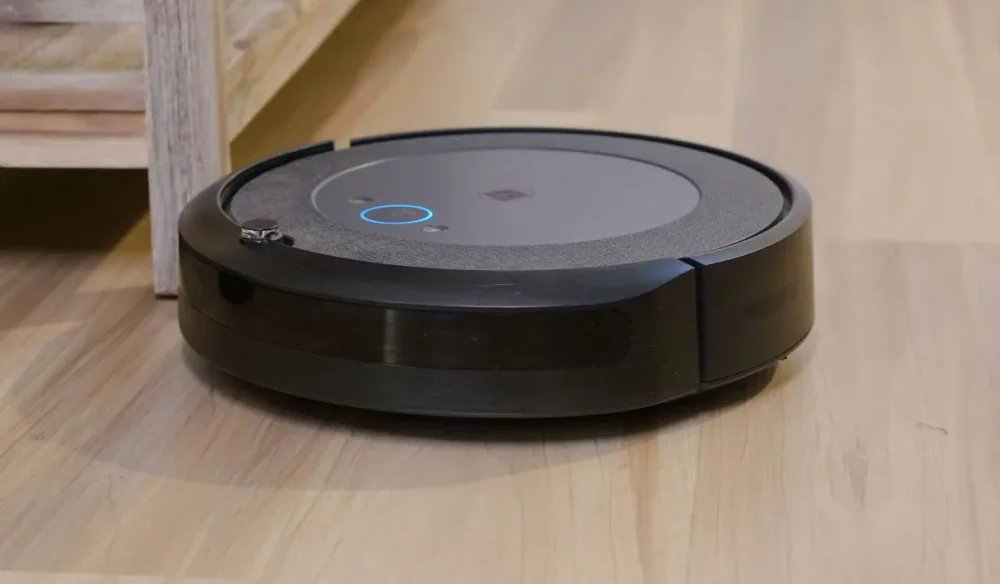
The regulation could impact a variety of AI-enabled products, including robotic vacuum cleaners, autonomous lawn mowers, delivery robots and robots used in warehouses and logistics centers.
Many of these machines rely on sensors, cameras and wireless connectivity to perform tasks with little or no human intervention.
As AI continues to expand into homes, workplaces and public spaces, governments are paying closer attention to the potential risks associated with connected autonomous systems.
National Security and Domestic Manufacturing
US officials say the policy aims to reduce potential national security risks linked to foreign-made AI devices that could, in the future, become targets for cyberattacks or unauthorized access.
At the same time, many policymakers view the measure as an opportunity to encourage more domestic manufacturing of robotics and advanced technology products.
Currently, most autonomous robots used in the United States are manufactured outside the country. Even companies assembling robots within the US may need special authorization if more than 65 percent of their components originate abroad.
Existing Devices Are Not Affected
The regulation does not apply to robots that consumers already own.
Retailers may also continue selling devices currently in their inventory, meaning the changes mainly affect future imports rather than products already available in the market.
This approach reduces immediate disruption for consumers while giving manufacturers time to adapt to the new requirements.
Cybersecurity Remains a Growing Concern
The policy also highlights broader concerns about cybersecurity in connected devices.
Recent reports have shown that hackers successfully gained unauthorized access to approximately 7,000 robotic vacuum cleaners, demonstrating how internet-connected household devices can become vulnerable to cyber threats.
Despite these concerns, reports indicate that the US government does not currently conduct comprehensive cybersecurity evaluations of these products before granting manufacturing or import approvals.
This has prompted discussions about whether stronger security standards should accompany future AI and robotics regulations.
Looking Ahead
The new restrictions illustrate how governments are beginning to balance technological innovation with national security priorities.
As AI-powered robots become more common in homes, businesses and public infrastructure, regulatory frameworks will likely continue evolving to address cybersecurity, supply chain resilience and data protection.
Manufacturers may also face increasing pressure to improve transparency, strengthen device security and diversify production as countries seek greater control over critical technologies.
MORE STORIES:
 Samsung Launches Three-Panel TriFold Phone to dominate Apple and Huawei
 WhatsApp to Introduce Stronger Privacy Controls to Protect User Messages
 Job opportunities: Apply for jobs at BRAC Rwanda
Apply for clinical role job
Job opportunities: Apply for jobs at BRAC Rwanda
Apply for clinical role job
 Alcohol-Related Deaths in Europe
 Rwanda: Education as a Cornerstone for Sustainable Development
 Pi Hackathon 2025: Fueling Innovation for the Future of Web3
 Japan Could Soon Have Its First Female Prime Minister
Job Opportunities at National Child Development Agency
Japan Could Soon Have Its First Female Prime Minister
Job Opportunities at National Child Development Agency
 Huye: Residents Say Access Roads Left Them Landless Without Compensation
I really like your blog.. very nice colors & theme. Did you make
this website yourself or did you hire someone to do it for you?
Plz answer back as I’m looking to design my own blog and would
like to know where u got this from. kudos
A fascinating discussion is definitely worth comment.
I think that you need to write more about this subject
matter, it may not be a taboo subject but usually people do
not discuss such subjects. To the next! Kind regards!!