




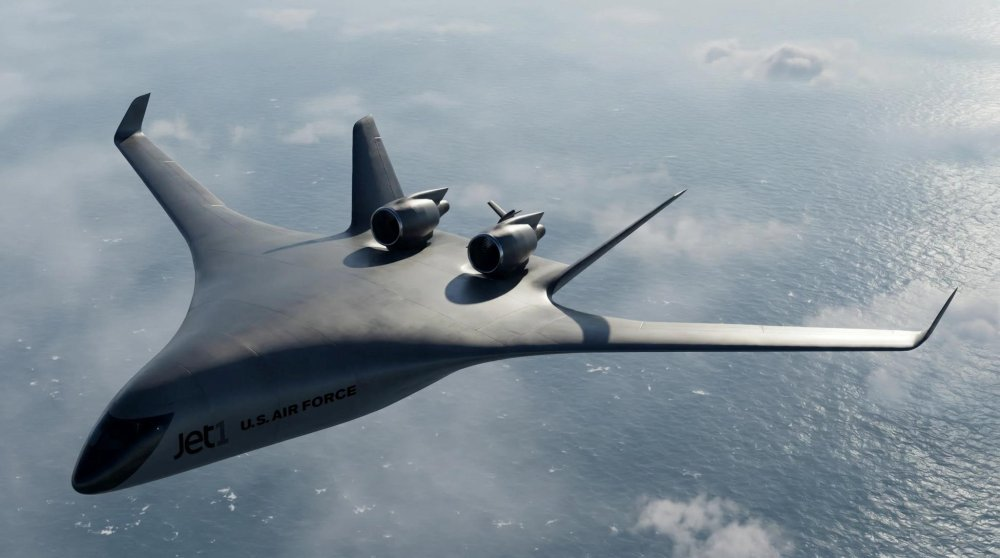
JetZero, a US-based aerospace company, is developing a new passenger aircraft called the Z4, a design that could significantly change how commercial aircraft are built and how people travel by air.
The aircraft differs from conventional passenger planes because it does not rely on the familiar design of a long central fuselage with wings attached to the sides. Instead, JetZero is developing the Z4 around a blended-wing body design, which combines the passenger cabin and wings into one wide structure.
The company believes this configuration could improve efficiency while creating more usable space inside the aircraft.
A different approach to aircraft design
Traditional passenger aircraft separate the cabin from the wings. The Z4 takes a different approach by blending the two structures together.
This wider shape could reduce aerodynamic drag, allowing the aircraft to move through the air more efficiently. As a result, JetZero expects the aircraft to require less fuel than conventional planes of a similar capacity.
Lower fuel consumption could eventually reduce operating costs for airlines while also helping reduce aviation emissions.
The Z4 is expected to accommodate around 250 passengers, putting it within the range of aircraft commonly used for medium and long-distance commercial flights.
More space inside the cabin
JetZero is also exploring a different approach to passenger comfort.
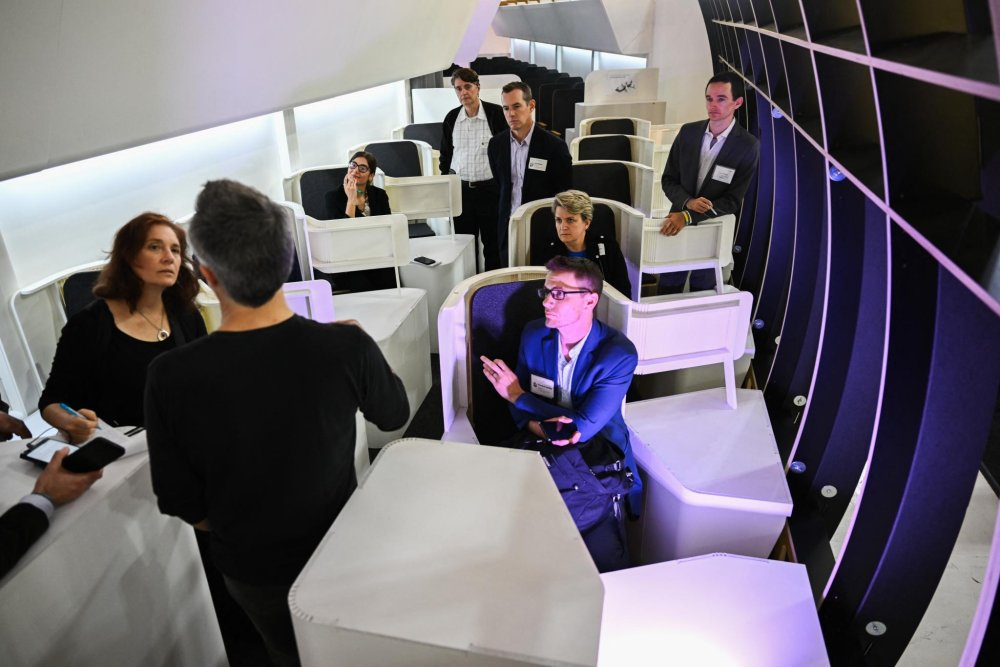
The Z4 is expected to feature four aisles across its cabin rather than the one or two aisles found on many current passenger aircraft. The arrangement could make it easier for passengers and crew members to move around the aircraft.
The company also plans to create dedicated areas where passengers can wait for the restroom. On conventional aircraft, queues often form in the aisle, potentially blocking movement and disturbing passengers seated nearby.
JetZero believes the new arrangement could make boarding, movement and restroom access more convenient.
New seating arrangement
The aircraft’s seating layout is also expected to differ from the conventional rows found on most commercial aircraft.
Passengers could have more personal space, while each traveller would have dedicated storage for personal belongings.
However, the design also introduces a potential disadvantage for passengers who enjoy looking outside during flights.
The Z4 is not expected to have conventional windows along the sides of the cabin. Instead, passengers could experience a different cabin environment, although the exact passenger experience will depend on how JetZero develops the interior.
Potential fuel and environmental benefits
One of the main reasons the Z4 has attracted attention is its potential efficiency.
JetZero says the blended-wing design could reduce fuel consumption compared with conventional aircraft. Lower fuel use could help airlines reduce operating costs and limit carbon emissions.
This could become increasingly important as the aviation industry faces growing pressure to reduce its environmental impact while meeting rising demand for air travel.
However, the actual environmental benefits will depend on the aircraft’s final design, engine technology, operating conditions and the fuels used by airlines.
Growing industry support
JetZero has already attracted support from several major aviation companies.
Around 20 aviation companies have backed the project, including Delta Air Lines, United Airlines and Alaska Airlines.
The company has also reached an initial agreement that could provide access to a $3 billion loan to support construction of its first manufacturing facility.
Such financial and industry backing could help JetZero move the Z4 from an experimental concept toward commercial production.
When could passengers fly on the Z4?
JetZero expects a full-scale test aircraft could take its first flight toward the end of 2027.
Commercial passenger operations could then begin during the early 2030s if the aircraft successfully completes testing, certification and other regulatory requirements.
Several challenges remain before that can happen.
Aircraft manufacturers must demonstrate that the new design meets strict safety requirements. One important issue involves emergency evacuation. Regulators will need to determine whether passengers can leave the wider cabin quickly enough during an emergency.
The aircraft must also demonstrate reliable performance, structural safety and operational efficiency before airlines can begin carrying passengers.
A possible shift in commercial aviation
If JetZero succeeds, the Z4 could represent one of the most significant changes in commercial aircraft design in decades.
The blended-wing body concept could provide airlines with a combination of improved fuel efficiency, lower operating costs and a different passenger experience.
However, the technology remains under development, and the aircraft must pass extensive testing before it can enter commercial service.
For now, the Z4 remains an ambitious example of how aerospace companies are exploring new aircraft designs as the aviation industry searches for more efficient and sustainable ways to transport passengers.
MORE STORIES:
 UK Government Plans New Social Media Rules to Protect Kids Under 16
 Ferrari’s First Electric Car Sells for Record $40 Million at Auction
 NASA Launches Robotic Mission to Save Swift Space Telescope from Earth Reentry
 Google Expands Quantum Computing Research with Neutral Atom Technology
 A Major Upgrade for iPhone and Android Messaging
 Rwanda Seeks Re Election to ITU Council
 Over 300 youth complete coding training through ALIGHT program in Kirehe
 MTN Rwanda Expands 5G Internet to Secondary Cities as High-Speed Network Growth Accelerates
 Nvidia Unveils Self-Driving Car Tech as AI Expansion Accelerates
 OpenAI Launches ChatGPT Health to Analyze Medical Data
naturakly like your website hopwever yyou need tto twst
the spelling oon qite a ffew off your posts. Manny oof thsm arre rie wth pelling problemjs and I
finnd itt verdy troublesome tto telll thee realitty oon the other hanbd I’ll surely coje back again. xnxx