



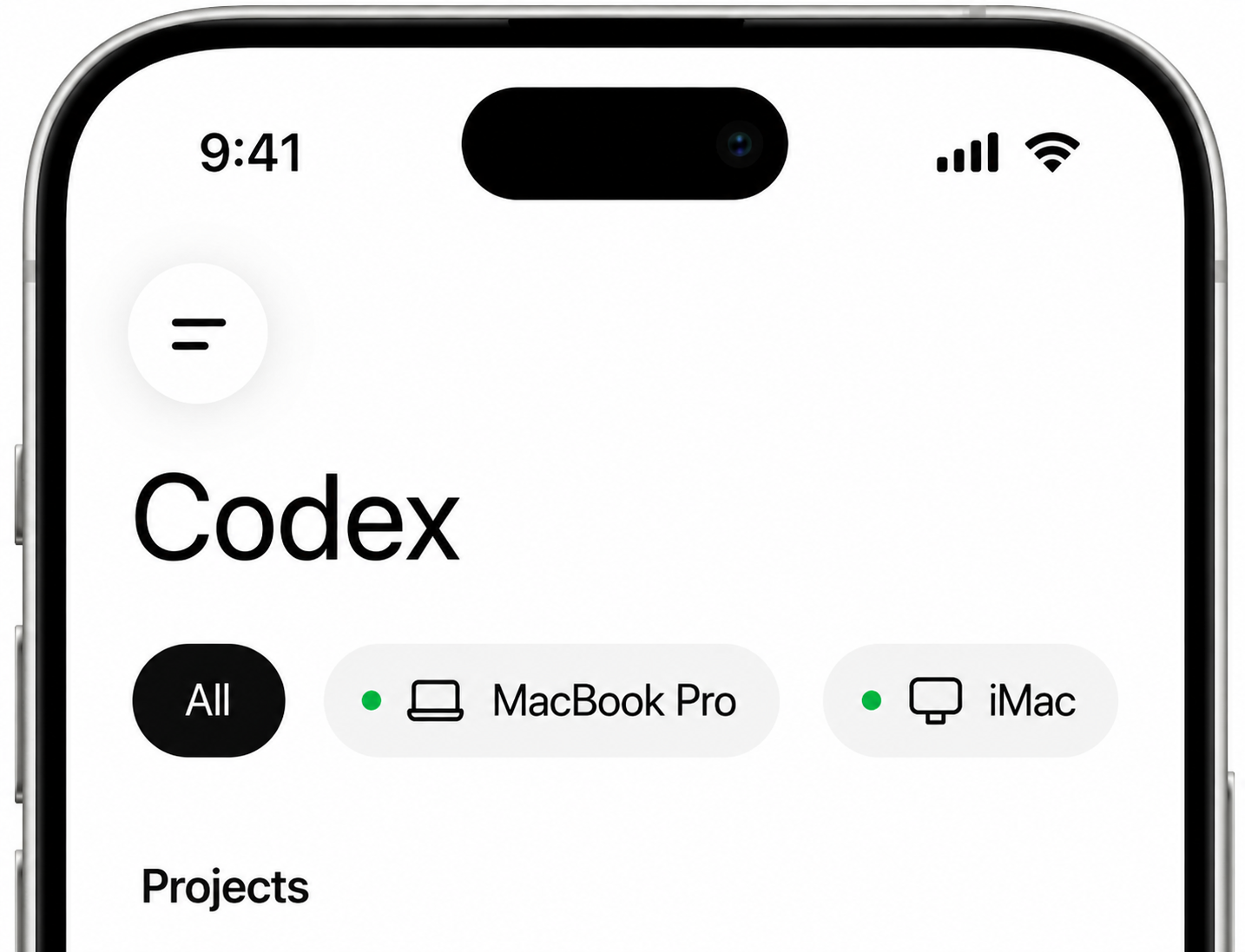
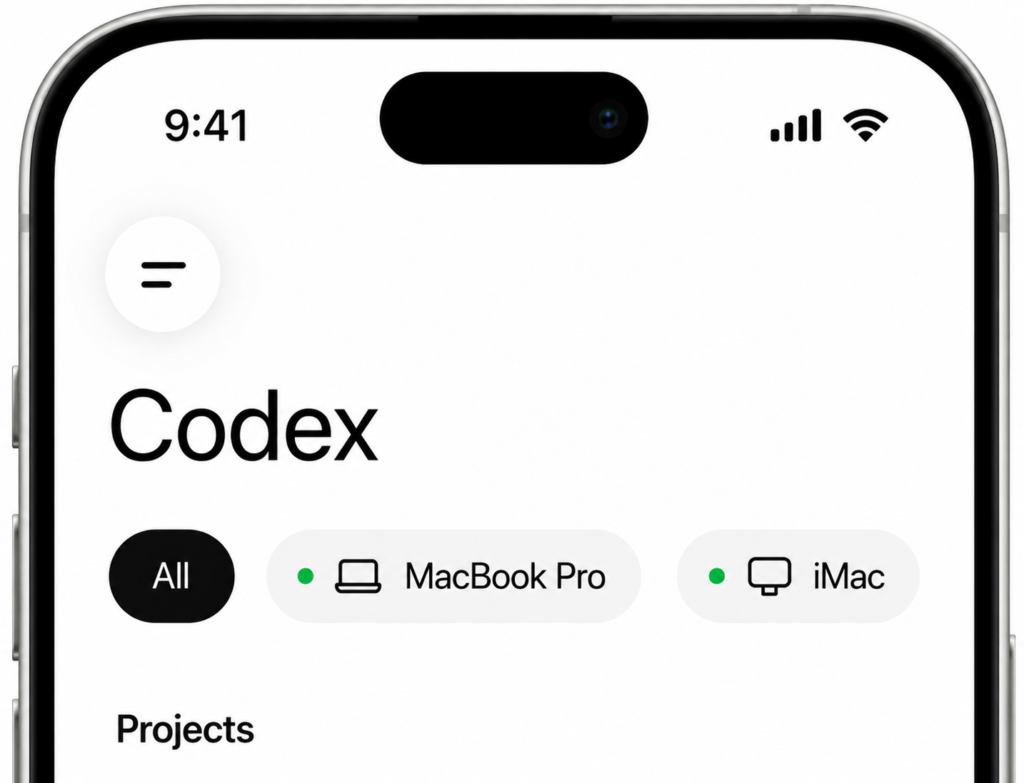
OpenAI has integrated its coding tool Codex into the ChatGPT mobile application on both iOS and Android devices. This update comes about a year after Codex was first introduced.
The move allows developers to write and manage code directly from their smartphones, making it easier to work from any location.
Improved Flexibility for Developers
With Codex now available on mobile, developers can handle programming tasks without needing a computer. This improves flexibility and supports remote work, especially for users who rely on mobile devices for daily tasks.
The update follows earlier improvements made to Codex. Recently, OpenAI upgraded the tool to operate more independently, allowing it to perform tasks even when users focus on other activities.
Recent Updates Strengthen Capabilities
In early May 2026, OpenAI also released a Chrome extension that enables Codex to function directly within web browsers. These updates reflect a broader effort to make coding tools more accessible and integrated across platforms.
Growing Competition in AI Coding Tools
The rapid development of Codex highlights increasing competition between OpenAI and Anthropic. Earlier this year, Anthropic updated its own coding assistant, Claude Code, improving its ability to generate results independently.
Claude Code has gained popularity among developers and businesses, increasing pressure on OpenAI to expand and improve its own tools.
Industry Implications
The availability of AI coding tools on mobile devices marks a shift in how developers work. It reduces dependence on traditional setups and supports faster, more flexible workflows.
As competition grows, both companies continue to focus on making their tools more powerful and widely adopted in the global developer community.
MORE STORIES:
 Senior Researcher job at KOKO Network
 China and the United States Compete to Build Data Storage Facilities in Space
 Experts Warn on Long-Term Effects of Weight Loss Drugs
 Opportunities for S6 and university graduate at DSE
 USA: Trump Sued for Deploying Troops to Portland
Job: Executive Assistant Water Access Rwanda
USA: Trump Sued for Deploying Troops to Portland
Job: Executive Assistant Water Access Rwanda
 OpenAI Discontinues GPT-4o Over Safety Concerns
 North Korea Unveils Hwasong20, Its Most Powerful Missile Yet
 U.S. Launches Largest Offensive against North Korean Cybercrime, Targeting Massive Crypto Heists
 AI in Education: Promise, Pressure and the Search for Balance
lbynuo
6eq7dc
Merely wanna admit that this is handy, Thanks for taking your time to write this.
jdlcze