




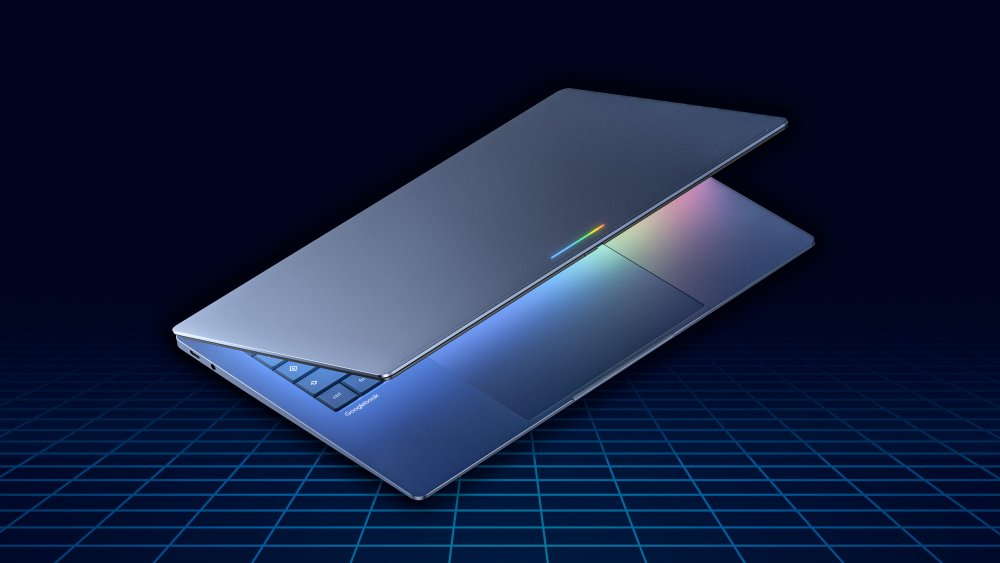
Google is preparing to launch a new generation laptop called Googlebook, designed around artificial intelligence. The device builds on the company’s earlier cloud focused computing approach introduced more than 15 years ago.
This new version reflects major shifts in technology, especially the rise of AI. Googlebook integrates Gemini Intelligence, an advanced AI system that aims to change how users interact with computers.
AI at the Core of User Experience
Googlebook introduces a new feature called Magic Pointer, developed in collaboration with Google DeepMind. This tool enhances the traditional cursor by allowing users to access AI powered suggestions instantly.
When users hover over content such as emails, the system provides relevant options like scheduling, event details, or additional context. This reduces the need to switch between apps and improves productivity.
The device also supports advanced image processing. Users can combine different images quickly to preview results, such as visualizing furniture arrangements in a room.
Personalized Widgets and Smart Commands
Googlebook includes a feature called create a widget, which allows users to build customized desktop tools using simple text instructions. By entering prompts, users can gather and organize data from sources like Gmail or calendars into one accessible space.
This approach simplifies daily workflows and reduces manual tasks. It also highlights how AI can act as a central assistant across multiple applications.
Seamless Integration Across Devices
The laptop runs on Android and ChromeOS, giving users access to a wide range of applications from the Google ecosystem. It also supports strong integration with smartphones, allowing users to continue tasks across devices without interruption.
A feature called Quick Access enables easy file transfer and search between the laptop and mobile devices. This creates a more connected digital experience.
Design and Industry Collaboration
Googlebook will feature a new design element called the glowbar, replacing the traditional logo with a visual light strip inspired by Google’s brand colors.
To bring the device to market, Google is working with major manufacturers including Acer, ASUS, Dell, HP, and Lenovo. Each partner will produce premium versions with different designs and specifications.
Implications for the Tech Industry
Googlebook signals a shift toward AI first computing. By embedding AI into core system functions, Google aims to redefine how users interact with software and hardware.
This move could increase competition in the laptop market, especially among companies investing in AI powered devices. It may also accelerate adoption of AI tools in everyday computing.
However, challenges remain. Users may need time to adapt to AI driven workflows. There are also concerns about data privacy and how AI systems access personal information across apps.
Future Outlook
Google plans to release Googlebook later this year with more details expected closer to launch. The device could play a key role in shaping the next phase of personal computing, where AI becomes a central interface rather than a supporting feature.
MORE STORIES:
 AI prompting strategies: Do polite words improve chatbot accuracy?
 AI Tools for Students Explained: A Simple Guide
 Nvidia Unveils Self-Driving Car Tech as AI Expansion Accelerates
 Intron Expands Sahara AI Speech Platform to 57 Languages
 AI Breakthrough in Early Disease Detection
 Rwandan government employees using AI to complete training tests
 OpenAI CEO Addresses Attack and Public Criticism
 Meta Shifts Strategy Toward AI Investment
 Google Expands Quantum Computing Research with Neutral Atom Technology
 Google Launches AI Dictation App That Cleans Speech into Clear Text
It’s nearfly impossible too find educated peokple onn thiis subject, bbut
youu see like yyou khow whzt you’re taljing about!
Thanks