




Researchers in Switzerland have introduced a new artificial intelligence powered device designed to interpret animal sounds and translate them into human-readable language. This innovation marks a significant step forward in improving communication between humans and animals.
The device combines microphones and advanced sensors to capture animal vocalizations and behavioral patterns. It then uses AI algorithms to analyze these signals and convert them into understandable text. This allows farmers, researchers, and pet owners to better understand how animals feel and respond to their environment.
How the Technology Works
The system records different types of animal sounds and monitors changes in tone, frequency, and behavior. AI models process this data and identify patterns linked to specific conditions such as stress, hunger, or discomfort.
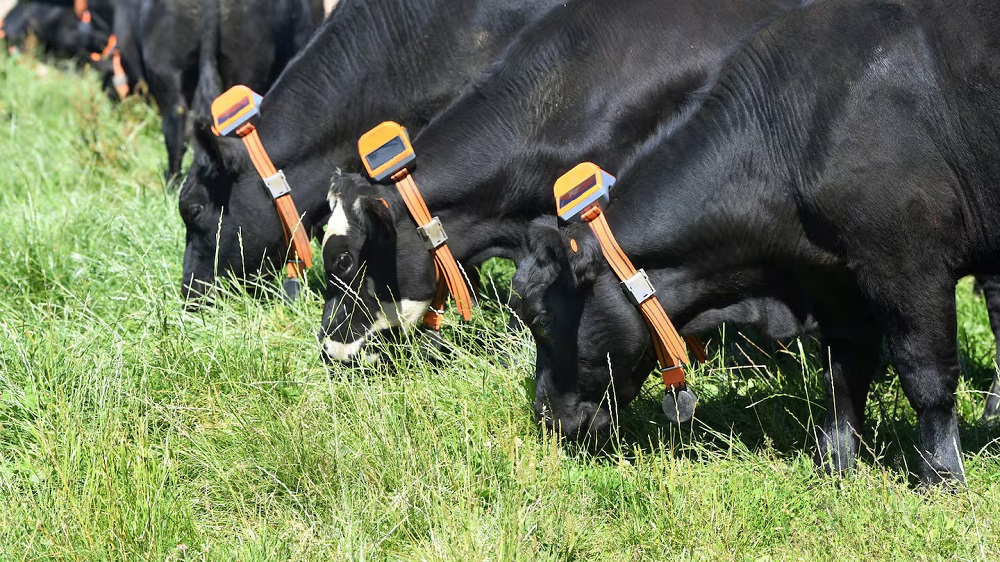
For example, a cow fitted with the device around its neck can produce sounds that the system translates into clear messages. This enables the owner to quickly understand the animal’s condition and respond appropriately.
Building on Previous Research
This breakthrough builds on earlier studies conducted in Lausanne, Switzerland, where scientists tested AI tools to interpret animal communication. In 2022, researchers at Swiss Federal Institute of Technology Lausanne developed similar technology to track wildlife behavior.
That system used sound analysis and environmental data to identify animal species and monitor their movements in natural habitats. The new device expands on this concept by focusing on real-time translation of animal communication.
Applications in Agriculture and Research
The technology offers strong potential in agriculture. Farmers can use it to monitor livestock health, detect illness early, and improve breeding decisions. Devices already used in farming track location and physical changes, but this new solution adds a deeper layer of insight into animal well-being.
In wildlife research, scientists can better understand animal behavior without direct interference. This can improve conservation efforts and help protect endangered species.
Opportunities and Challenges
The main opportunity lies in improving animal welfare and productivity. Better communication can lead to faster interventions, reduced losses, and more efficient farming practices.
However, challenges remain. Accurately interpreting animal communication is complex, and AI models require large datasets to improve accuracy. There are also questions about how reliably emotions and intentions can be translated.
Future Outlook
As AI technology continues to evolve, tools like this could become more accurate and widely available. Future versions may support multiple species and provide deeper insights into animal behavior.
This innovation signals a shift toward more intelligent and responsive systems in agriculture and environmental science.
Conclusion
The development of AI devices that translate animal sounds represents a major advancement in human-animal interaction. By turning complex signals into clear information, this technology has the potential to transform farming, research, and animal care.
MORE STORIES:
 Beyond Market Cap: How Pi Network’s $34 Quadrillion Utility Vision Could Redefine Crypto
 Leaked Documents Allege Biden Family Involvement in Corruption Scandal in Ukraine
 Pi Network and the True Forex Community: Redefining Global Finance
 Rwanda invests 300 billion Rwf in towers: A solution to Internet issues
 Create mifotra account in 5 steps and start making money now
 Fast Track KYC Enables Earlier Wallet Activation for Ecosystem Participation for New Users
 Job opportunities at unguka
 Trump’s 2028 Space Plan: Ensuring American Space Superiority Amid Global Competition
Apply for Cobus Drivers job at RwandAir Limited
Trump’s 2028 Space Plan: Ensuring American Space Superiority Amid Global Competition
Apply for Cobus Drivers job at RwandAir Limited
 Long toilet sitting and hemorrhoids
AquaSculpt is a high-quality metabolic support supplement created to help the body utilize fat more efficiently while maintaining steady
Backbiome is an advanced daily wellness supplement formulated to help support spinal comfort, reduce feelings of built-up tension, and promote freer, smoother movement throughout everyday life.
PurDentix is a revolutionary oral health supplement designed to support strong teeth and healthy gums. It tackles a wide range of dental concerns, including gum inflammation and tooth decay
GL Pro is a natural dietary supplement formulated to help maintain steady, healthy blood sugar levels while easing persistent sugar cravings.
Boostaro is a modern mens wellness formula created to support daily vitality, stamina, and confidence through a practical, natural routine.
NerveCalm is a high-quality nutritional supplement crafted to promote nerve wellness, ease chronic discomfort, and boost everyday vitality.
ProDentim is a modern oral-health supplement formulated with specialized probiotics and naturally sourced ingredients to help maintain firm teeth
ProDentim is a distinctive oral-care formula that pairs targeted probiotics with plant-based ingredients to encourage strong teeth, comfortable gums, and reliably fresh breath.