

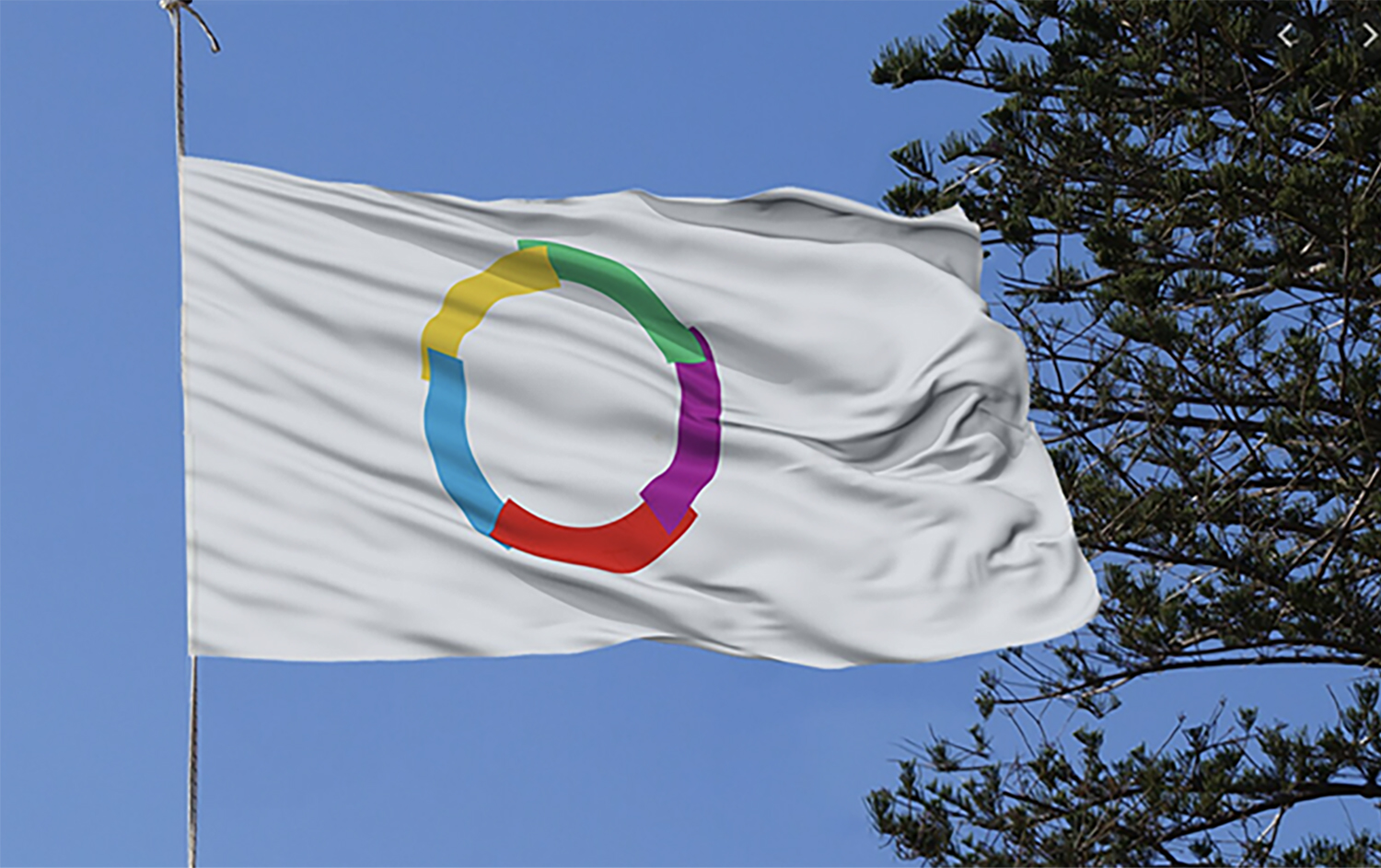
The race to lead the International Organisation of La Francophonie (OIF) has entered a historic new phase, with candidates appearing before foreign ministers from member states for the first time ahead of the election of the organization’s next Secretary-General.
The presentations took place in Paris on June 30, 2026, marking the beginning of the final stage before heads of state and government choose the next OIF leader during the Francophonie Summit in Phnom Penh, Cambodia, this November.
New Voting System Changes OIF Elections
This year’s election is the first to fully reflect electoral reforms introduced during the leadership of Rwanda’s Louise Mushikiwabo.
In previous elections, member states generally sought political consensus around a single candidate before voting. Under the revised system, each eligible member state now has one equal vote, regardless of its political or economic influence.
The reforms were introduced to make the election process more transparent and competitive after previous leadership contests attracted criticism over political negotiations.
The new voting rules were technically in place during Mushikiwabo’s re-election campaign for a second term, but they were not tested because she ran unopposed.
Four Candidates Compete for Leadership
Four candidates are seeking to become the next Secretary-General:
- Louise Mushikiwabo (Rwanda), the incumbent Secretary-General
- Juliana Amato Lumumba (Democratic Republic of the Congo)
- Coumba Ba (Mauritania)
- Dacian Cioloș (Romania)
Each candidate received 45 minutes before foreign ministers, including five minutes for a personal introduction, 20 minutes to present their vision for the organization, and 20 minutes to answer questions from member states.
After the presentations, ministers met privately to assess the candidates before preparing recommendations for heads of state ahead of the final vote.
Mushikiwabo Remains the Leading Candidate
Much of the attention continues to focus on Louise Mushikiwabo, who has led the OIF since 2018.
Her bid for a third term received Rwanda’s official endorsement after several member states encouraged her to remain in office during the OIF Ministerial Conference held in Kigali in November 2025.
According to reports, support for her candidacy expanded significantly during the conference, growing from only two countries before the meeting to more than fifteen member states afterward.
Supporters credit Mushikiwabo with improving financial management, strengthening institutional governance and enhancing discipline within the organization during her tenure.
Challengers Present Different Visions
Juliana Amato Lumumba has built her campaign around the legacy of her father, Patrice Lumumba, while emphasizing that the Democratic Republic of the Congo is home to the world’s largest French-speaking population.
Analysts say Kinshasa has invested considerable diplomatic effort into her campaign. Some observers also view her candidacy within the broader political context of relations between Rwanda and the DRC.
Mauritania’s Coumba Ba is also contesting the position, although she is not widely viewed among the leading contenders.
Former Romanian Prime Minister Dacian Cioloș brings extensive European political experience. However, some African member states argue that leadership of the Francophonie should continue reflecting Africa’s central role within the French-speaking community.
MORE STORIES:
 US Senate Advances Measure to Curb Trump’s Military Power on Venezuela
 Stolen Phones Worth Over Rwf 90 Million Recovered in Seven Months
 Ugandan President Museveni re-elected to seventh term amid disputed election
 Apply for journalism intern in RSW News
 Artificial Intelligence in Rwanda: How It Is Transforming Everyday Life
 Life of Ugandan opposition leader Kizza Besigye in danger, wife warns
 International Condemnation of Israel’s West Bank Plan
 One Year After AFC/M23 Took Goma, Residents Say Nights Are Now Peaceful
 Putin Criticizes Nato During Victory Day Parade
 Rwanda to Integrate Mental Health in Justice System