




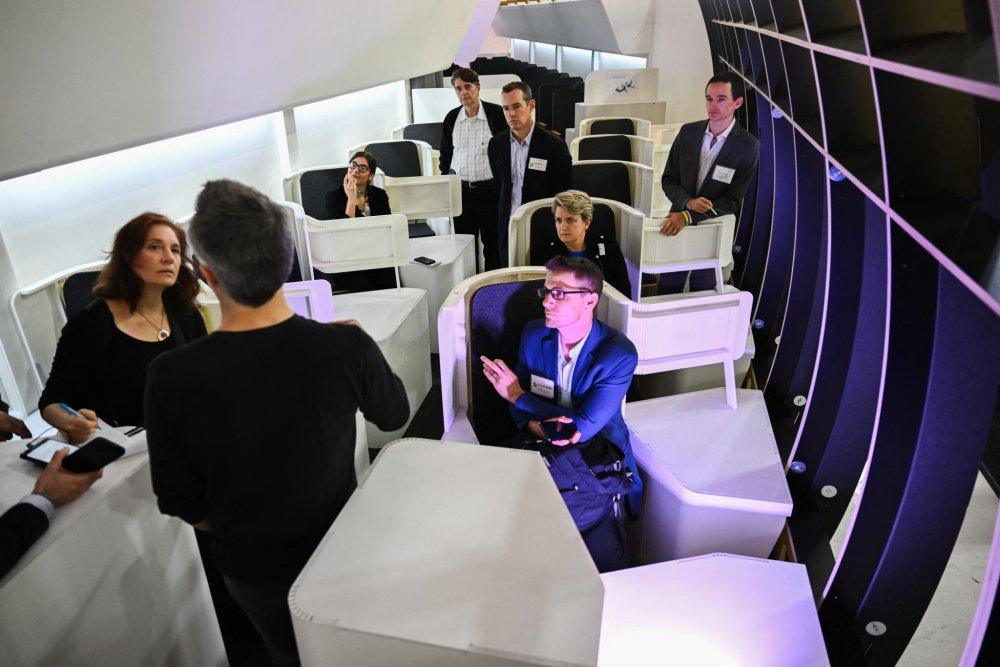
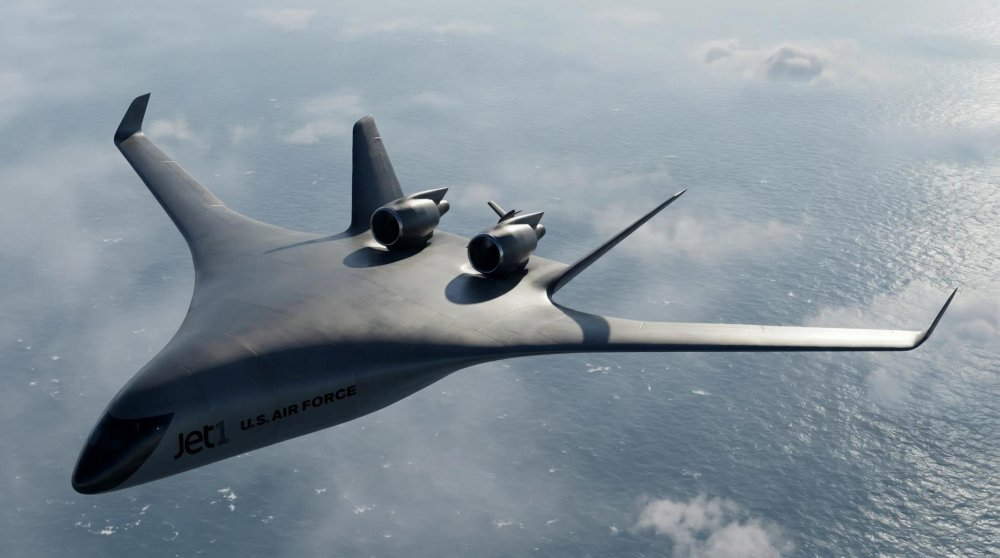
A United States aerospace company, JetZero, is developing a next generation passenger aircraft known as the Z4, a project that could reshape commercial aviation through a more efficient aircraft design. The company aims to improve fuel efficiency, reduce environmental impact, and offer passengers a more comfortable travel experience.
Unlike conventional passenger aircraft, which feature a cylindrical fuselage with wings attached separately, the Z4 adopts a blended wing body design. This configuration merges the wings and passenger cabin into a single aerodynamic structure. Engineers believe this design reduces drag, increases lift, and significantly lowers fuel consumption during flight.
The aircraft is expected to carry approximately 250 passengers on medium and long haul routes. Its wider cabin will feature four aisles instead of the one or two found on most commercial aircraft today. This layout could improve passenger movement, speed up boarding and cabin service, and reduce congestion during flights.
JetZero has also redesigned several cabin features to enhance passenger comfort. The Z4 will include dedicated waiting areas near restrooms, helping passengers avoid blocking the aisles while waiting. In addition, the seating arrangement will provide more personal space, and each traveler will have designated storage for carry on luggage.
One of the aircraft’s most noticeable changes is the absence of traditional side windows. While this decision supports the aircraft’s structural efficiency and aerodynamic performance, it may divide passenger opinions, especially among travelers who prefer window seats. The company has not yet announced how it plans to address this aspect of the passenger experience.
Sustainability remains a key objective of the Z4 program. According to JetZero, the aircraft’s aerodynamic design will consume substantially less fuel than conventional commercial jets. Lower fuel consumption could reduce airline operating costs while helping the aviation industry lower carbon emissions as it works toward cleaner transportation.
The project has already attracted significant industry support. More than 20 airlines, including Delta Air Lines, United Airlines, and Alaska Airlines, have expressed interest in the aircraft. JetZero has also secured preliminary financing agreements worth up to $3 billion to build its first manufacturing facility, highlighting growing confidence from investors and industry partners.
The company plans to conduct the first full scale demonstration flight by the end of 2027. If flight testing proves successful and regulatory certification proceeds as expected, the Z4 could enter commercial passenger service during the early 2030s.
Despite the project’s strong momentum, important technical and regulatory challenges remain. Aviation authorities must thoroughly evaluate emergency evacuation procedures, structural integrity, operational reliability, and certification requirements before approving the aircraft for commercial use.
If the Z4 achieves its performance targets, it could influence the next generation of passenger aircraft. The design may help airlines lower operating costs, improve efficiency, enhance passenger comfort, and support global efforts to reduce aviation emissions.
MORE STORIES:
 Raising Kids in the Age of AI: What Parents Don’t See
 Google Unveils Android 17 With Major AI and Productivity Upgrades
 AI Breakthrough in Early Disease Detection
 AI Homework Use Surges Among Students, Raising Concerns Over Critical Thinking Skills
 EVP to Build 55 New EV Charging Stations Across Rwanda
 OpenAI Ends Microsoft Exclusivity Deal
 Nvidia Unveils AI Technology to Power Fully Autonomous Vehicles
 How to Protect Your Brain in the Age of AI
 Nvidia Unveils Self-Driving Car Tech as AI Expansion Accelerates
 Meta AI Chief Says Current Models Lack Intelligence