




Apple has increased prices for several MacBook and iPad models, citing growing pressure from higher component costs and ongoing changes in the global technology supply chain.
The price adjustment affects selected MacBooks, iPads, HomePod devices, and Apple TV products. However, the company has not announced any price increases for iPhones, which remain its largest source of revenue.
Several Popular Devices Receive Price Hikes
Among the products affected is the MacBook Neo, a laptop introduced to compete with affordable Windows laptops and Chromebooks. Its starting price has increased from $599 to $699 only months after its launch.
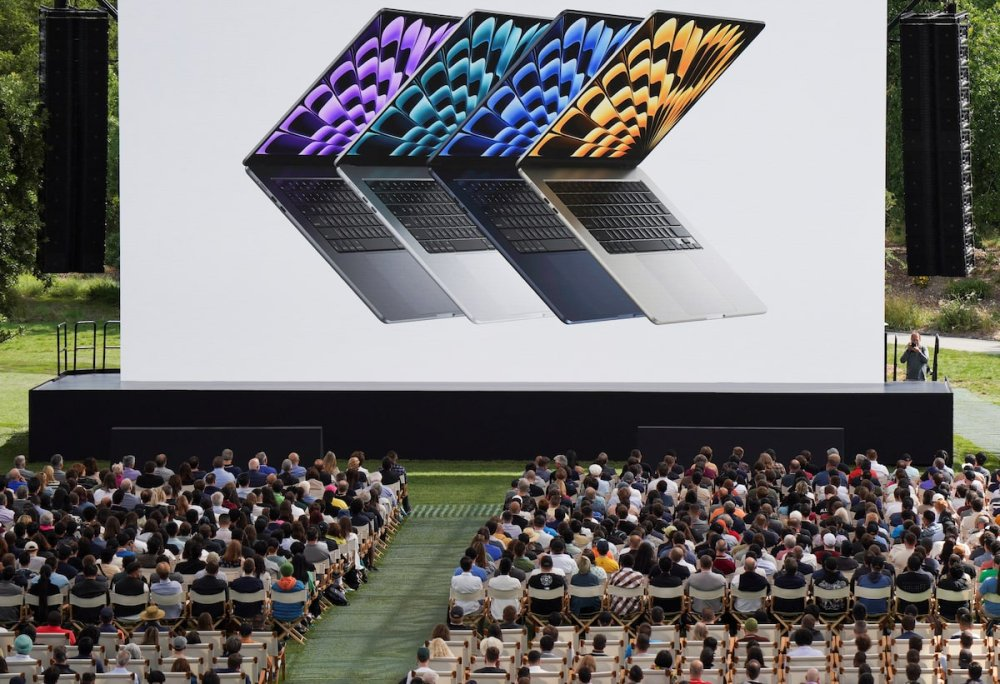
Other products receiving price adjustments include the MacBook Air with 512GB storage, which now costs $1,299 instead of $1,099. The MacBook Pro with 1TB storage has risen from $1,699 to $1,999. Meanwhile, the iPad Air with 128GB storage now sells for $749, up from $599.
These increases represent one of Apple’s most significant pricing updates in recent years for selected computing devices.
AI Boom Creates Pressure Across the Supply Chain
Apple explained that it has absorbed rising production costs for an extended period. However, growing expenses for critical hardware components have made that approach increasingly difficult to sustain.
One of the biggest challenges comes from the global memory chip market. Manufacturers such as Micron Technology have prioritized supplying chips to companies building AI infrastructure, where demand continues to grow rapidly.
As organizations invest heavily in artificial intelligence, data centers require advanced memory and processing components, creating additional pressure on supply chains and driving up costs across the technology industry.
Broader Impact on the Technology Market
The price increases highlight how the AI industry is influencing sectors beyond artificial intelligence itself. Growing demand for computing power has affected component availability, manufacturing costs, and product pricing across consumer electronics.
Technology companies face increasing competition for semiconductors and memory components as businesses expand investments in cloud computing, AI models, and large-scale data processing facilities.
Consumers may therefore see additional pricing adjustments from other manufacturers if supply constraints persist.
Future Outlook
Industry analysts expect demand for AI-related hardware to remain strong over the coming years. As a result, pressure on semiconductor suppliers could continue, affecting production costs throughout the technology ecosystem.
For Apple, the latest pricing changes may help protect profit margins while ensuring continued investment in new products and innovation. However, the company will need to balance higher prices with consumer demand in an increasingly competitive market.
MORE STORIES:
 Hidden Workers Behind AI: The Data Labelers’ World
 Discord Strengthens User Privacy
 White House Pushes for Light AI Regulation as Federal Debate Intensifies
 Meta Explores AI Avatars for Leadership Representation
 AI Becomes Daily Habit as Consumers Shift From Search to Chatbots
 SAP Report Warns Africa Must Accelerate AI Skills Development
 Google I/O 2026: Everything We Expect From Google’s Biggest AI and Android Event
 AI Companies Will Fail — What Society Can Salvage From the Wreckage
 Rwanda Expands Its Digital Infrastructure Ambitions
 SpaceX and AI Firm xAI Discuss Merger Ahead of Major Public Offering
What’s up, just wanted too mention, I lovedd this article.
It was helpful. Keep oon posting! ofvd9wuaptkapc48mh7k