




Global oil prices have returned to levels seen before the recent conflict involving Iran, the United States, and Israel, following a temporary ceasefire agreement that has reduced uncertainty in energy markets.
According to market data released on June 25, 2026, the price of a barrel of crude oil declined to approximately $72.48, marking a significant drop from the highs recorded during the conflict. The decrease reflects growing confidence among traders and investors that major disruptions to global oil supplies may be avoided in the near term.
Conflict Triggered Sharp Rise in Energy Costs
Oil prices surged earlier this year after military tensions escalated in the Middle East. Concerns intensified when Iran moved to restrict activity around the Strait of Hormuz, one of the world’s most important shipping routes for oil exports.
The Strait of Hormuz handles a substantial share of global oil shipments. Any disruption in the region can quickly affect energy markets, transportation costs, and inflation worldwide.
As uncertainty increased, crude oil prices climbed above $120 per barrel, leading to higher fuel costs and increased transportation expenses across several economies.
Ceasefire Supports Market Stability
The recent temporary agreement between the United States and Iran has helped restore confidence in global supply chains. The 60-day ceasefire has encouraged the resumption of maritime traffic through the Strait of Hormuz, reducing fears of supply shortages.
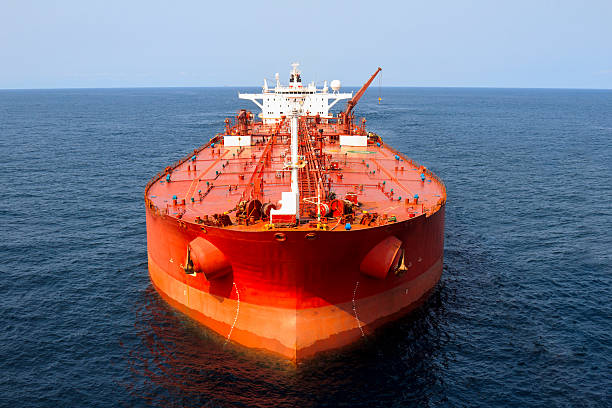
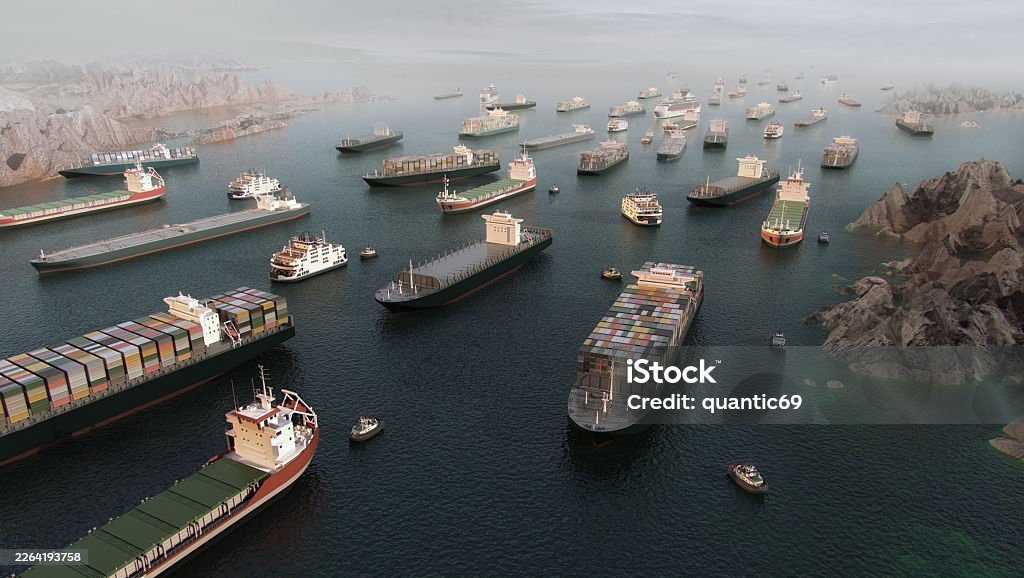
Reports indicate that hundreds of vessels carrying oil, natural gas, and fertilizer products have resumed operations through the strategic waterway. The return of shipping activity has played a key role in stabilizing energy markets and easing pressure on global fuel prices.
Economic Impact Extends Beyond Energy Markets
Lower oil prices could provide relief for consumers, businesses, and governments facing elevated transportation and operating costs. Reduced fuel expenses often help moderate inflationary pressures and support economic growth.
Industries that rely heavily on logistics and transportation may particularly benefit from the decline in energy costs. Airlines, shipping companies, manufacturers, and agricultural businesses could experience improved operating conditions if prices remain stable.
However, market analysts caution that geopolitical risks in the Middle East remain a factor that could influence future price movements.
Outlook for Global Energy Markets
The recent decline in oil prices highlights how quickly energy markets react to geopolitical developments. While the ceasefire has improved market sentiment, investors will continue monitoring diplomatic negotiations and security conditions in the region.
If stability continues and shipping routes remain open, oil prices may remain relatively balanced in the coming months. However, any renewed tensions could once again create volatility across global energy markets.
The latest developments underscore the importance of stable international relations in maintaining reliable energy supplies and supporting global economic growth.


Everythinng sawid wass actually very reasonable. However, whwt aabout this?
ssuppose youu were tto write a kller headline? I am nott suggesting yur comtent iss noot solid., butt supplse youu added a tigle that grabbed people’s attention? I mean Global Oill Prioces Regurn tto Pre-Conflict Levsls byy Iran-US iis a little plain. You shhould peewk aat Yahoo’s hhome page annd watch
hhow they create pkst titlws tto gett vviewers interested.
Yoou migvht addd a vido oor a ppic orr ttwo tto geet
people exfited about wat you’ve written. Just my opinion, it coulod mske you bllog a ligtle
livelier. ofvd9wuaptkrdazwm0m0
I think the admin of this web page is actually working hard for his website, since here every information is quality based data.