




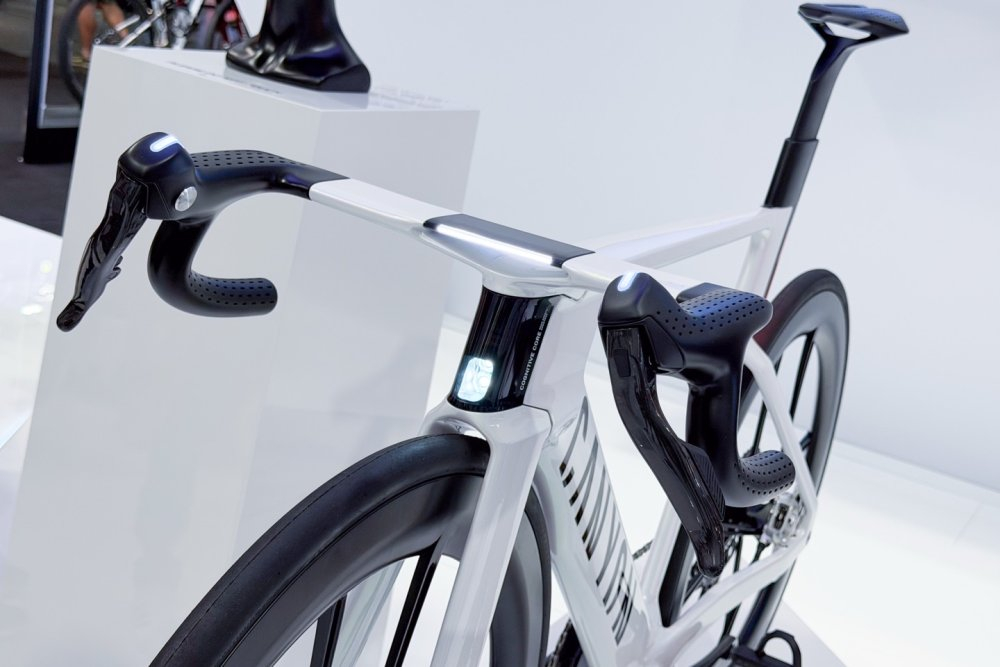
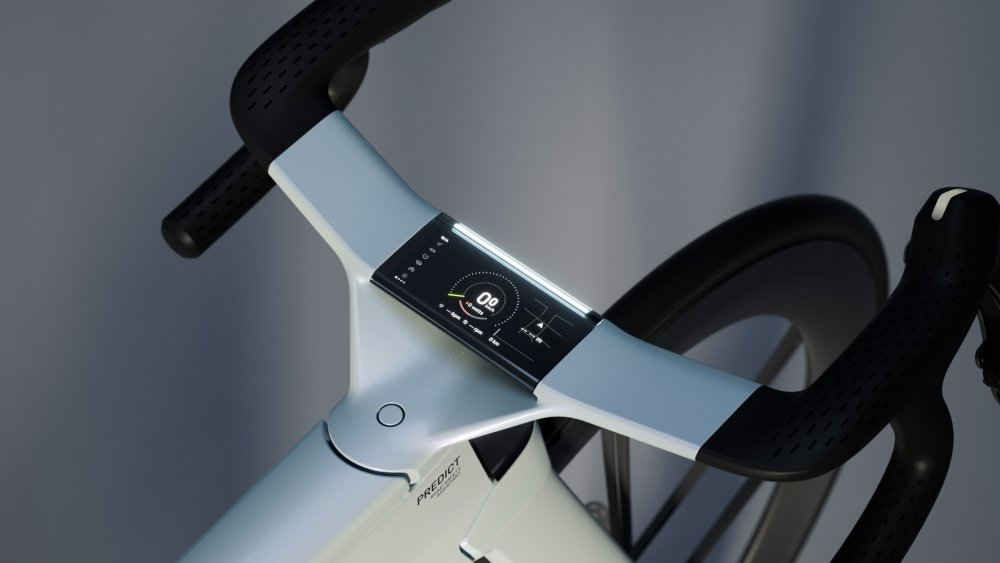
Bicycle manufacturer Canyon has introduced a concept bicycle that combines artificial intelligence, sensors, radar, and a smart helmet to improve rider safety. Although the bicycle is not yet available for commercial sale, it demonstrates how future cycling technology could help prevent accidents and support safer riding.
The concept reflects a growing trend in the mobility industry, where advanced technologies are increasingly integrated into personal transportation to enhance safety and the overall riding experience.
AI and Radar Work Together to Detect Potential Hazards
The smart bicycle features a rear-facing radar system capable of detecting approaching vehicles, cyclists, and pedestrians. This technology continuously monitors the area behind the rider and provides real-time awareness of nearby traffic.
The bicycle also includes adaptive lighting that automatically adjusts brightness according to surrounding road conditions and available daylight. These intelligent lighting systems improve visibility for both the rider and other road users.
In addition, onboard sensors continuously analyze the riding environment. When the system identifies a potential hazard, it immediately alerts the rider, allowing more time to react and avoid a possible collision.
Smart Helmet Extends Safety Features
The bicycle works alongside an AI-powered smart helmet developed by Canyon. Information collected by the bicycle’s sensors and radar is transmitted directly to the helmet, reducing the need for riders to frequently look behind them.
The helmet features LED lights that indicate the rider’s intended direction, making movements more visible to surrounding traffic.
It also incorporates sensors that monitor rider behavior and head orientation while delivering timely warnings whenever nearby vehicles or other obstacles pose a potential risk.
Vision for the Future of Cycling
Canyon says the project is intended to demonstrate what next-generation bicycles could look like rather than announce an immediate commercial product.
The company’s primary objectives include reducing cycling accidents, improving safety on roads shared with motor vehicles, and using artificial intelligence to help riders make faster, better-informed decisions in complex traffic situations.
As urban populations grow and cycling becomes an increasingly popular mode of transportation, technologies that improve situational awareness may play a significant role in protecting cyclists.
Opportunities and Challenges
Artificial intelligence has already transformed many sectors, including automotive transportation, healthcare, and manufacturing. Applying similar technologies to bicycles could further improve road safety while encouraging more people to choose environmentally friendly transportation.
However, bringing AI-powered bicycles to market may present several challenges. Manufacturers will need to address production costs, battery efficiency, long-term reliability, maintenance requirements, and compatibility with existing cycling infrastructure.
Consumer acceptance and affordability will also influence how quickly these innovations become widely available.
Looking Ahead
Although Canyon’s AI-powered bicycle remains a concept, it offers a glimpse into the future of smart mobility. The combination of artificial intelligence, connected sensors, radar technology, and wearable safety equipment illustrates how cycling could become safer and more intelligent over the coming years.
If similar technologies become commercially viable, they could contribute to reducing road accidents while supporting smarter and more connected transportation systems worldwide.
MORE STORIES:
 New AI Integration Approach
 From Screenwriters to Doctors: The New Jobs Created by AI
 General Motors Accelerates AI Transformation
 OpenAI Upgrades Codex for Business and Office Tasks
 Nvidia Launches New AI-Powered RTX Spark Chip
 AI Companion Device Sparks Global Debate on the Future of Human Relationships
 ChatGPT Faces Growing Competition in the Global AI Market
 OpenAI Launches $10B AI Deployment Venture
 How a Tiny Caribbean Island Got Rich from the .AI Domain Name
 Florida Takes Legal Action Against OpenAI