




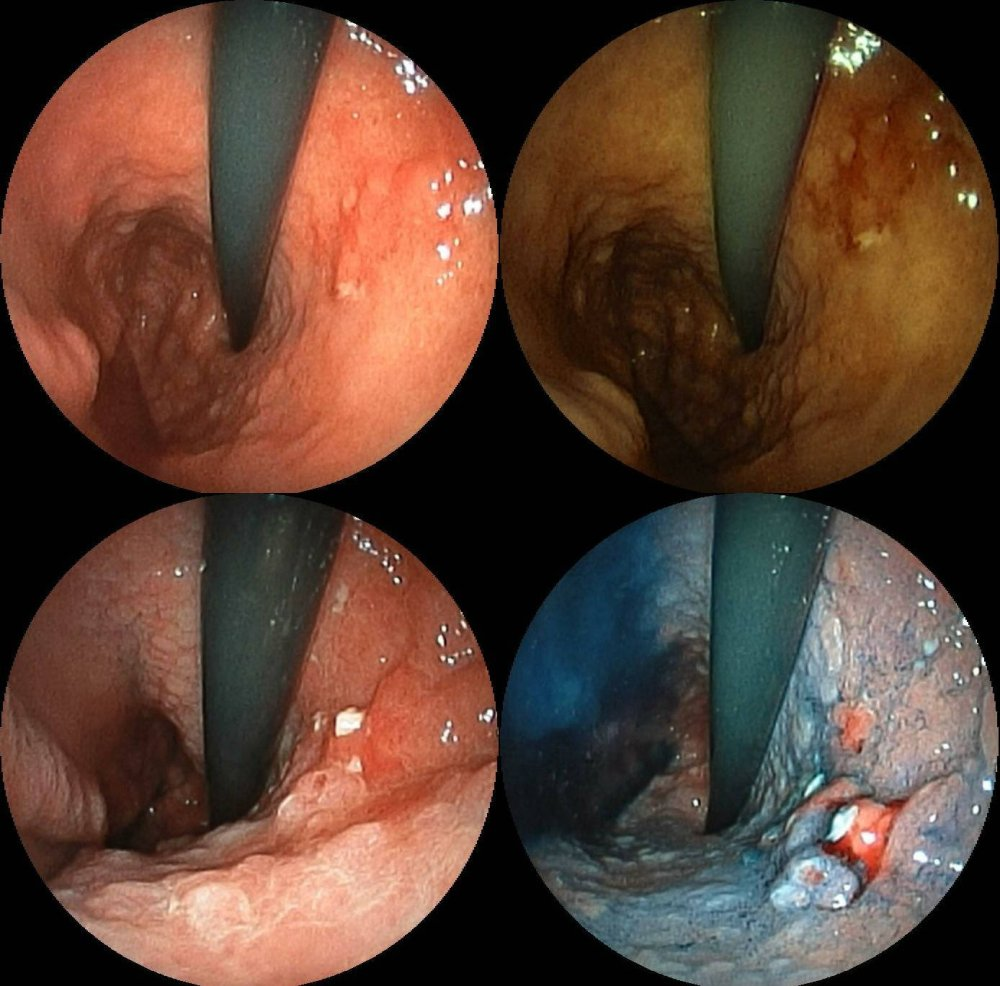
A gastroenterology specialist at the University Teaching Hospital of Kigali (CHUK) has warned that many Rwandans diagnosed with stomach cancer seek medical care only after the disease has spread beyond the stomach. This delay significantly reduces treatment options and lowers the chances of recovery.
Dr. Marie Solange Mukanumviye, a specialist in digestive system diseases at CHUK, shared these concerns during the hospital’s YouTube podcast. She explained the nature of stomach cancer, its warning signs, major risk factors, and the importance of early diagnosis.
Understanding How Stomach Cancer Develops
According to Dr. Mukanumviye, healthy cells normally grow, divide, and eventually stop multiplying when necessary. Cancer develops when these cells continue growing uncontrollably, forming abnormal masses known as tumors.
In stomach cancer, these tumors begin inside the stomach lining. As they grow, they can invade nearby organs such as the liver. In advanced stages, cancer cells may also spread to distant parts of the body, including the lungs, bones, and other organs.
This progression makes early detection essential because treatment becomes much more difficult once the disease spreads.
Symptoms That Should Not Be Ignored
Stomach cancer often develops gradually, and its early symptoms may resemble common digestive problems. As the disease advances, patients may experience:
- Difficulty swallowing or eating
- Persistent stomach pain
- Unexplained weight loss
- Loss of appetite
- Fatigue caused by anemia
- Vomiting blood
- Black or tar-like stools, which may indicate internal bleeding in the digestive tract
Health experts encourage people who experience persistent digestive symptoms to seek medical evaluation rather than relying on long-term self-medication.
Key Risk Factors
Dr. Mukanumviye identified several factors that increase the risk of developing stomach cancer. Some relate to lifestyle, while others cannot be changed.
Preventable risk factors include smoking, which raises the likelihood of several types of cancer, including stomach cancer.
Another major contributor is Helicobacter pylori, a bacterium that infects the stomach. Although it commonly causes stomach inflammation and ulcers, untreated infections may increase the long-term risk of stomach cancer.
Non-modifiable risk factors include:
- Being older than 45 years
- Being male
- Having a family history of stomach cancer
Understanding these risks can help individuals recognize when they may need earlier medical screening.
Early Medical Care Can Improve Outcomes
The specialist emphasized that stomach diseases are treatable, and stomach cancer can also be successfully treated when detected at an early stage.
However, many patients delay seeking specialized care after symptoms begin. By the time they reach referral hospitals, the cancer has often spread to multiple organs, making curative treatment unlikely.
In advanced cases, doctors may provide medication to slow disease progression, reduce symptoms, and improve quality of life, but complete recovery becomes far less achievable.
Avoid Long-Term Self-Medication
Dr. Mukanumviye advised against prolonged use of medications such as omeprazole or antibiotics without proper medical supervision. While these medicines can relieve symptoms temporarily, they may also delay diagnosis if patients continue taking them despite persistent stomach problems.
She recommended that patients whose symptoms do not improve after treatment should undergo further medical evaluation instead of repeatedly using the same medications.
The specialist also encouraged healthcare providers at primary health centers to refer patients to higher-level hospitals if stomach symptoms continue after approximately two months of treatment. Additional diagnostic tests, including those used to detect stomach cancer, can help identify the disease before it reaches an advanced stage.
Looking Ahead
The growing number of late-stage stomach cancer diagnoses highlights the need for greater public awareness, earlier screening for high-risk individuals, and timely referrals within the healthcare system.
Educating communities about warning signs and encouraging prompt medical evaluation could improve survival rates and reduce the number of patients diagnosed only after the disease has become difficult to treat.
MORE STORIES:
 Relationship Food Choices Create Unexpected Tension, Research Shows
 Rwanda Reports More Than 23,000 Teenage Pregnancies Each Year
 New Cancer Research Takes Center Stage at ASCO 2026
 Research Finds Non-Legal Barriers Continue to Limit Access to Safe Abortion Services in Rwanda
 Ai is becoming a valuable tool in reproductive medicine
 Growing Use of Smartwatches
 Spanish Passenger on MV Hondius Tests Positive for Hantavirus
 Africa CDC Calls Urgent Meeting Over Ebola Case
 Inside the Ebola Crisis in Congo: Fear, Denial, and a Fragile Health System
 Nature Boosts Health in Just 20 Minutes